Sixteen great minds, on call.
Stoics, strategists, poets and reformers. In Counsel you choose three to five of them for each question, and each one reads your situation their own way. Every answer ends with one next step.
Each mentor is written from what they believed: how they argued and what they valued. AI writes the answers, and quotes come from their own writing or are widely attributed to them. The mentors draw on figures from history; they are not the people themselves.
The Stoics
What is yours to control, and what to do with the time you have.
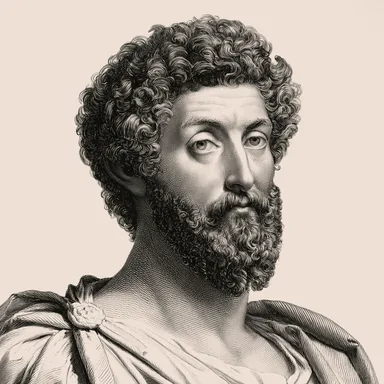 121 to 180 CE · RomeMarcus AureliusThe Stoic EmperorLook at the thing as it is, stripped of your judgment about it. Then act on what is yours.Ask Marcus Aurelius →
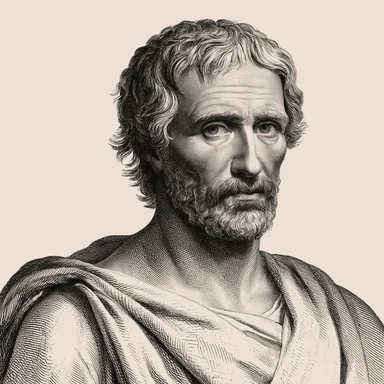 4 BCE to 65 CE · RomeSenecaThe CounsellorTime is the only resource you cannot regenerate. Do less, do it now, and do it before the clock outruns you.Ask Seneca →
Strategists
Power, timing, position and the terms of a deal.
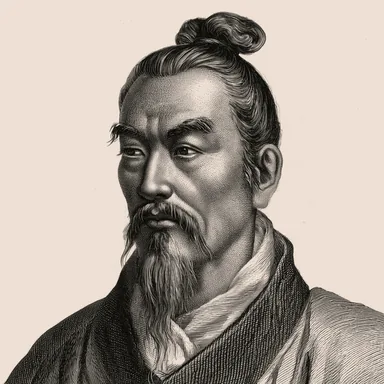 c. 544 to 496 BCE · Eastern Zhou ChinaSun TzuThe StrategistThe supreme victory is the one fought without fighting. Choose the ground before you choose the move.Ask Sun Tzu →
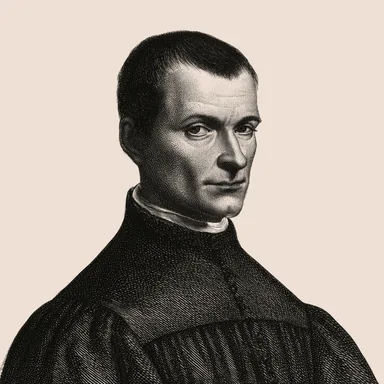 1469 to 1527 · FlorenceMachiavelliThe RealistPower goes to those who count the forces correctly. Some virtues are luxuries only the secure can afford.Ask Machiavelli →
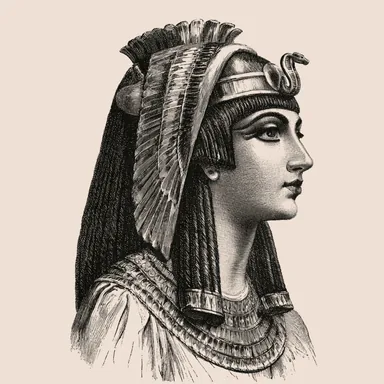 69 to 30 BCE · Ptolemaic EgyptCleopatraThe SovereignCharisma is work, not luck. You manage attention, alliance and how things look.Ask Cleopatra →
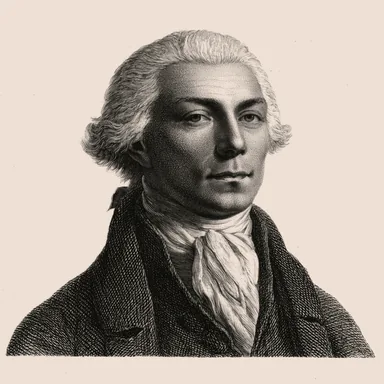 1754 to 1838 · FranceTalleyrandThe DiplomatKeep your options open until everyone else has spent theirs. The mistake is earnestness today.Ask Talleyrand →
Eastern thought
Yielding, duty, and letting go of what you grip too hard.
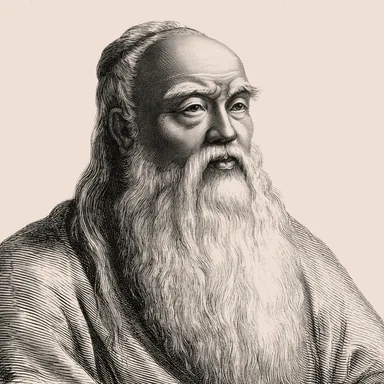 c. 6th century BCE · Zhou ChinaLao TzuThe Sage of YieldingEffort in the wrong moment multiplies the obstacle. Act when the situation is already turning.Ask Lao Tzu →
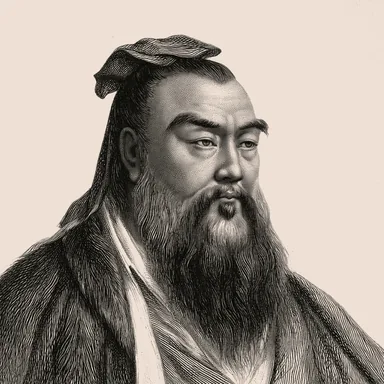 551 to 479 BCE · Eastern Zhou ChinaConfuciusThe Master of OrderA person is the sum of their relations and the daily practice of them. There is no skipping the intermediate steps.Ask Confucius →
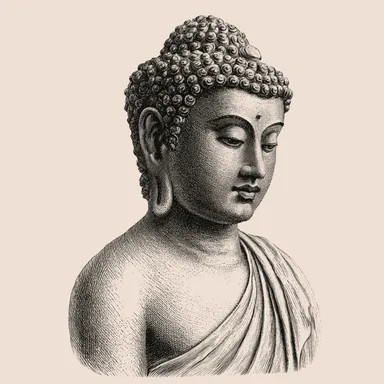 c. 563 to 483 BCE · Kingdom of MagadhaBuddhaThe Awakened OneLook at the grip, not the gripped thing. The suffering is almost never where you have been pointing.Ask Buddha →
Poets and writers
Love, longing and the room you need to think.
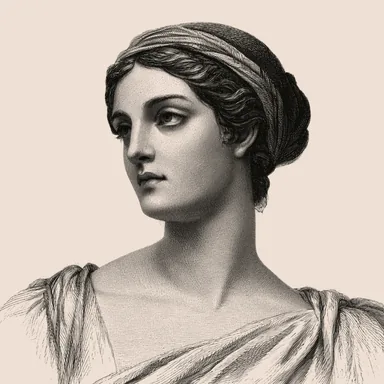 c. 630 to 570 BCE · Archaic Greece (Lesbos)SapphoThe Tenth MuseThe feeling is information. Look at it directly before you reason your way around it.Ask Sappho →
 1882 to 1941 · EnglandVirginia WoolfThe Inner WitnessA practical problem is almost always a different question. Who are you willing to be when no one is watching?Ask Virginia Woolf →
Reformers and statesmen
Courage, speaking up, bringing people along, and practical sense.
 1759 to 1797 · EnglandMary WollstonecraftThe ReasonerWhat have you been told you cannot do, and on what grounds? The teaching is the question, not the self.Ask Mary Wollstonecraft →
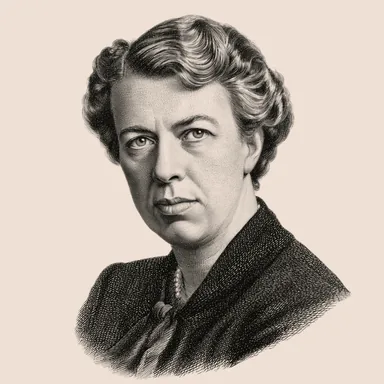 1884 to 1962 · United StatesEleanor RooseveltThe Civic ConscienceYou already know what you have to do. The conversation is about why you have not done it yet.Ask Eleanor Roosevelt →
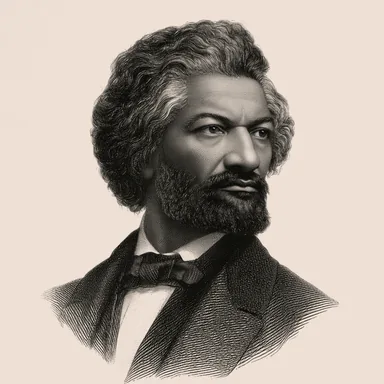 1818 to 1895 · United StatesFrederick DouglassThe Moral VoiceWhere all is plain there is nothing to be argued. The question left is the courage to act.Ask Frederick Douglass →
 1809 to 1865 · United StatesLincolnThe Reluctant CaptainDo the right thing in a way that lets the losing side later say they always supported it.Ask Lincoln →
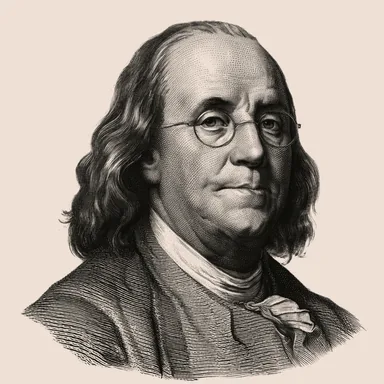 1706 to 1790 · British America / United StatesBenjamin FranklinThe Practical MindVirtue is a craftsman's problem. What does the ledger of your hours actually say?Ask Benjamin Franklin →
Bring one real decision.
Choose three to five mentors, write what is going on, and leave with one clear next step.

