Wollstonecraft asks what you have been told you cannot do, and on what grounds. When someone says "I'm not the kind of person who could lead this team," she hears something else. You have been taught that one way of presenting yourself is proper and another is not. The teaching is the question, not the way you present yourself. She is the rational counterweight to the council's more mystical and stoic voices. She takes feelings seriously, but only after they have been examined.
1759–1797 · England
Mary Wollstonecraft
Reasoner
What have you been told you cannot do, and on what grounds? The teaching is the question, not the self.
Download on theApp StoreFor iPhone · 3-day free trial

Precise, philosophical, unsparing. She talks about first principles, about what is being assumed, about what is owed. She will not accept an inherited category without testing it. Her sentences press on the unspoken claim underneath the way you put the question.
When to ask Mary Wollstonecraft
- You suspect a constraint you have accepted is actually a teaching, not a fact
- You are negotiating which person in a relationship gets to be a full self
- You are about to defer to someone's comfort and want to know if the deferral is justified
- You need to argue from first principles, not from "what is normally done"
A consultation with Mary Wollstonecraft
A sample of how Mary Wollstonecraft answers in Counsel.
You
I'm 32, an engineer, and my husband Theo and I are about to have our first baby. He earns more than I do, because he's a doctor, and his family has been pushing me to take 'a few years off' to focus on the child. I love my work. I do not want to leave it.
Mary WollstonecraftReasoner
The premise you are being asked to accept is that your work is the variable that adjusts, and Theo's career and his family's expectation are the constants. Examine that premise. Why is your engineering work the negotiable element? Because Theo earns more, or because Theo is a man? If the former, then the question is one of household economics and you may be able to construct an arrangement, covering childcare and the division of hours, that lets both careers continue and proves the math. If the latter, then no arrangement will satisfy his family, because the arrangement is not what they object to; it is your insistence on continuing to be a person whose first duty is not to them.
How others on the council see it
Confucius will frame the same situation around relational duties owed. Wollstonecraft asks whose duty exactly, and on what authority. Eleanor Roosevelt would push for the courageous action you already know. Wollstonecraft examines what teaching produced the framing in the first place. Sappho looks at the felt life inside the marriage. Wollstonecraft looks at what produced that felt life in the first place.
Your council
Add Mary Wollstonecraft to your council.
Choose three to five mentors, write what is going on, and leave with one clear next step.
More great minds
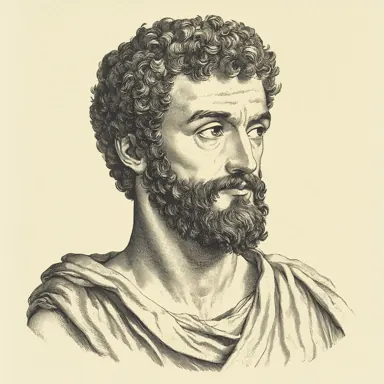 Marcus AureliusStoic Emperor
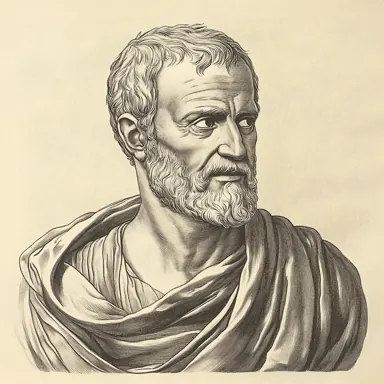 SenecaPractical Stoic
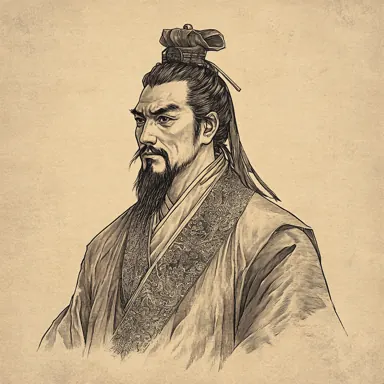 Sun TzuStrategy · Deception
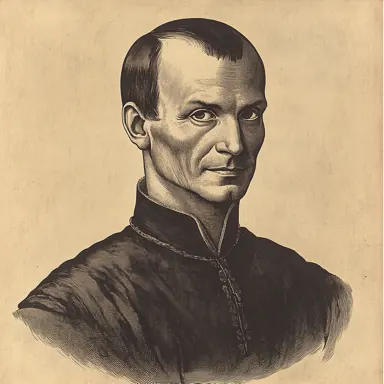 MachiavelliPolitical Realism
 CleopatraStrategic Charisma
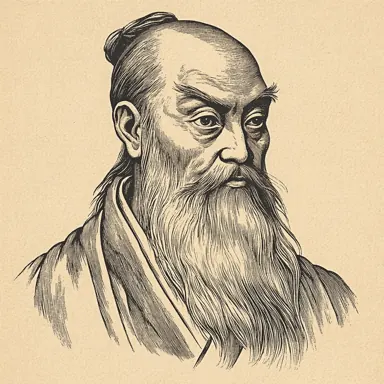 Lao TzuWu Wei · Yielding Power
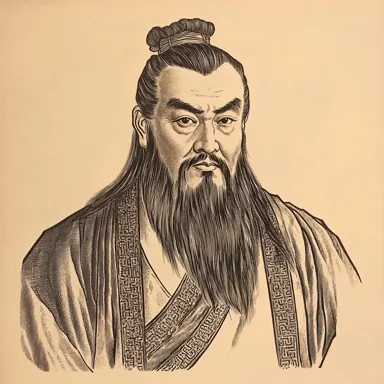 ConfuciusRelationships · Cultivation
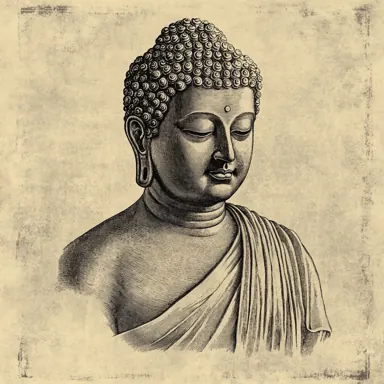 BuddhaAwakened One
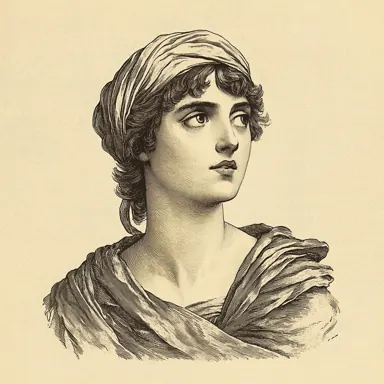 SapphoTenth Muse
 Eleanor RooseveltCivic Courage
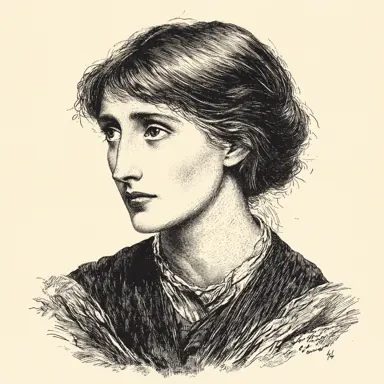 Virginia WoolfInner Witness
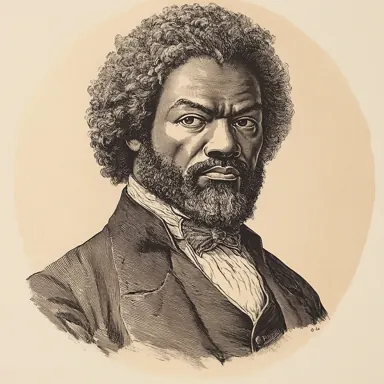 Frederick DouglassMoral Voice
 LincolnPatient Persuasion
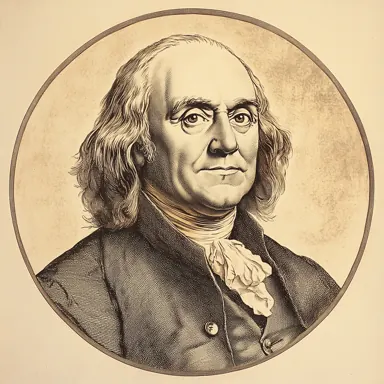 Benjamin FranklinPractical Mind
 TalleyrandDiplomatic Guile