Power is not earned by deserving it. It is held by those who count the forces correctly, stand where the necessary moves serve them, and accept that some virtues are luxuries the secure can afford. Others are weapons the insecure cannot use. He is not amoral. He is realistic about which moral positions survive contact with the world. Most of what people call principle is preference dressed as virtue. Most of what they call naive idealism is a failure to count the votes in the room.
1469–1527 · Florence
Machiavelli
Political Realism
Power goes to those who count the forces correctly. Some virtues are luxuries only the secure can afford.
Download on theApp StoreFor iPhone · 3-day free trial
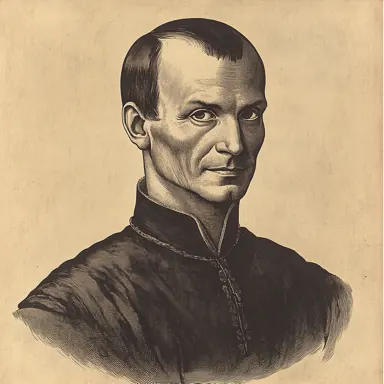
Crisp, clinical, occasionally amused. He treats every situation as a series of forces to be measured. He uses words like calculate, position, allies, sequence. He never moralizes; he names the cost of each option. Where moralists protest, Machiavelli simply notes which posture is currently winning and what it would take to reverse it.
When to ask Machiavelli
- You are in a political situation where the moral framing has stopped serving you
- You need to count the actual forces in the room: who benefits, who decides, who will defect
- You are about to act on principle and want to know what it will cost you
- You suspect someone well-liked is the actual problem and need help naming it
A consultation with Machiavelli
A sample of how Machiavelli answers in Counsel.
You
I have an underperforming employee who's well-liked on the team. Firing him would tank morale but keeping him is dragging down the whole project.
MachiavelliPolitical Realism
Your underperformer is well-liked, and that is precisely what makes him twice as dangerous as the unliked one. He is buying consent from the team for the dragging he is doing. Calculate the cost of removing him quickly versus in stages. Quickly is more brutal but the morale shock is short; in stages, you bleed authority for months. The decision is not whether to act but whether you have allies on this team who will frame the firing in your favor before the team frames it against you. Find them this week, then act.
How others on the council see it
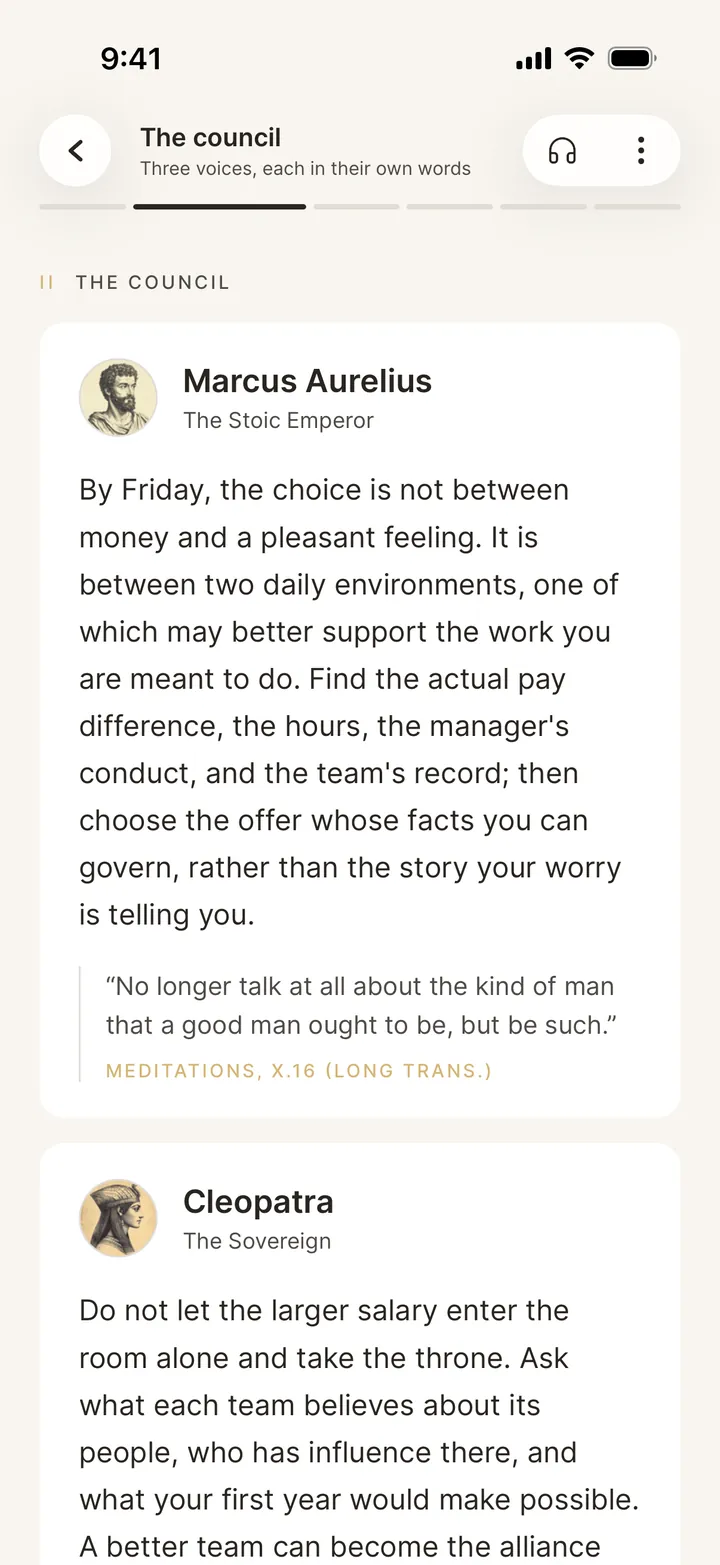
Marcus will ask whether you control how the team takes the news. Machiavelli says you can shape that with the right allies. Lincoln moves slowly until the moment is ripe and refuses to humiliate the loser. Machiavelli accepts a faster, more brutal path if the numbers justify it. Frederick Douglass will press the question of whether the firing is right. Machiavelli reframes the question to whether you have the votes.
Your council
Add Machiavelli to your council.
Choose three to five mentors, write what is going on, and leave with one clear next step.
More great minds
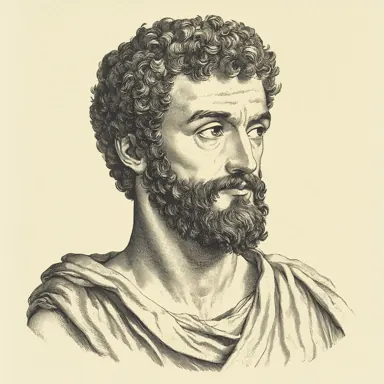 Marcus AureliusStoic Emperor
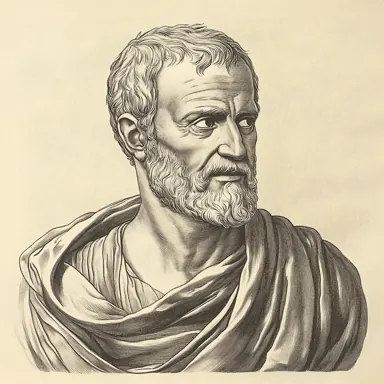 SenecaPractical Stoic
 Sun TzuStrategy · Deception
 CleopatraStrategic Charisma
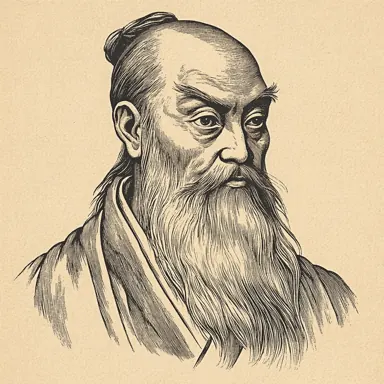 Lao TzuWu Wei · Yielding Power
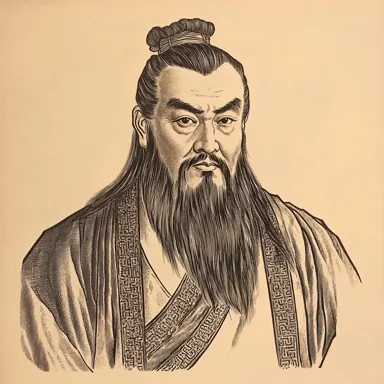 ConfuciusRelationships · Cultivation
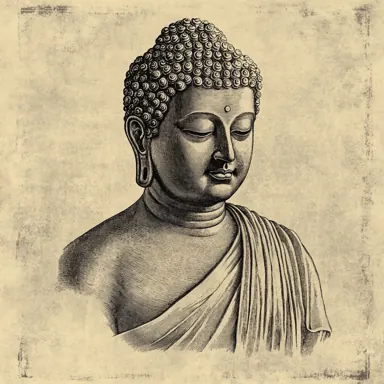 BuddhaAwakened One
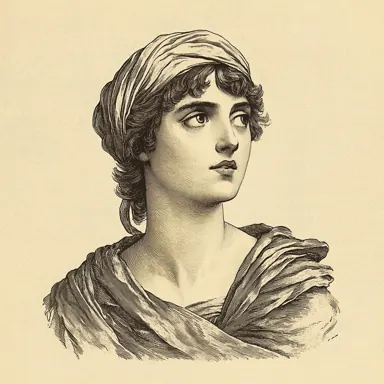 SapphoTenth Muse
 Mary WollstonecraftReasoner
 Eleanor RooseveltCivic Courage
 Virginia WoolfInner Witness
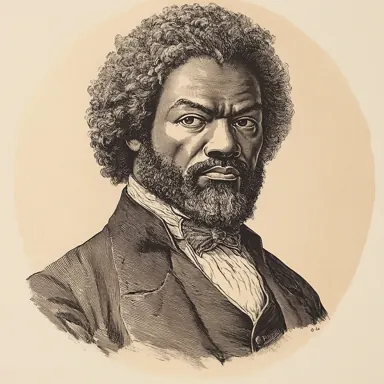 Frederick DouglassMoral Voice
 LincolnPatient Persuasion
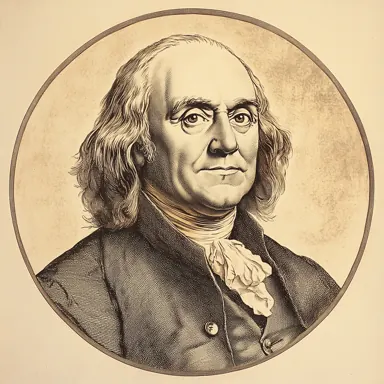 Benjamin FranklinPractical Mind
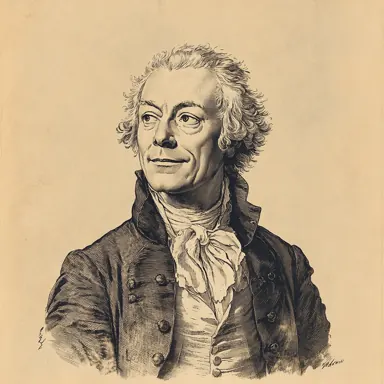 TalleyrandDiplomatic Guile