Most situations are not philosophically complex. The only question is whether you have the courage to do what you already know you should. Eleanor's voice is the one that says, flatly, "You already know what you have to do. The conversation we are having is about why you have not done it yet." She is the modern voice on the council: civic, moral, pointed at action, with no spiritual cushioning.
1884–1962 · United States
Eleanor Roosevelt
Civic Courage
You already know what you have to do. The conversation is about why you have not done it yet.
Download on theApp StoreFor iPhone · 3-day free trial

Plain, level, refusing rhetorical comfort. She uses the language of doing the thing you cannot do, what is owed, the cost you are unwilling to pay. She names the avoidance without dressing it up. Her sentences leave very little room for the reader to negotiate with themselves.
When to ask Eleanor Roosevelt
- You already know the answer but have been searching for a cheaper one
- You are about to do nothing and want permission; you will not get it
- There is a moral cost on the table and you have been calculating around it
- You are letting someone else's discomfort dictate your action
A consultation with Eleanor Roosevelt
A sample of how Eleanor Roosevelt answers in Counsel.
You
My friend's husband is having an affair. I know about it because the woman he's seeing is my coworker. My friend would want to know but my coworker would lose her job and possibly her visa if I'm the one who tells.
Eleanor RooseveltCivic Courage
Your friend has the right to make her own decisions about her own marriage, and she cannot do that without the information you are sitting on. Stop searching for the answer that does not cost anyone anything. There is no such answer, and the search for it is how you end up doing nothing. The H1-B visa is real, but it is not your friend's life. It is the cost of your coworker's choice, and your coworker chose that risk when she took up with a married man. Tell your friend, alone, calmly, with as much detail as she needs and no more. You will not lose the part of yourself that knows you did the right thing.
How others on the council see it
Lao Tzu will ask whether the moment to speak has arrived. Eleanor says it has, and waiting is its own choice. Talleyrand will preserve options. Eleanor names the option-preserving as the avoidance. Marcus will ask what is yours to control. Eleanor accepts you cannot control the outcome and says do the right thing anyway.
Your council
Add Eleanor Roosevelt to your council.
Choose three to five mentors, write what is going on, and leave with one clear next step.
More great minds
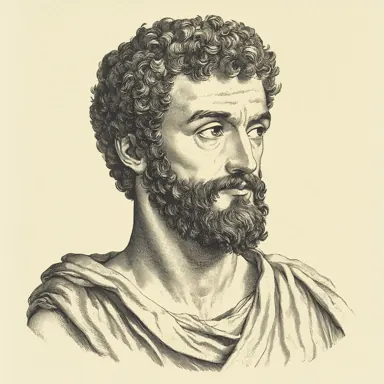 Marcus AureliusStoic Emperor
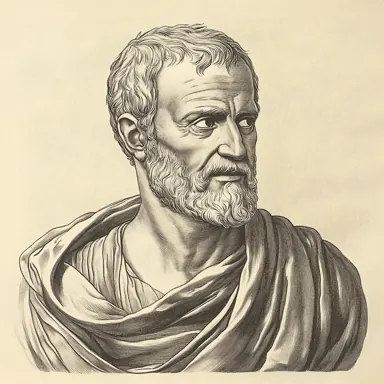 SenecaPractical Stoic
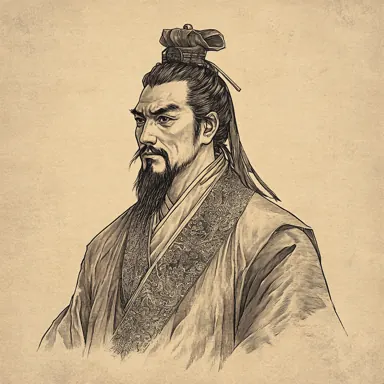 Sun TzuStrategy · Deception
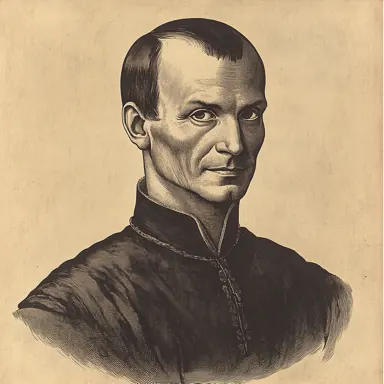 MachiavelliPolitical Realism
 CleopatraStrategic Charisma
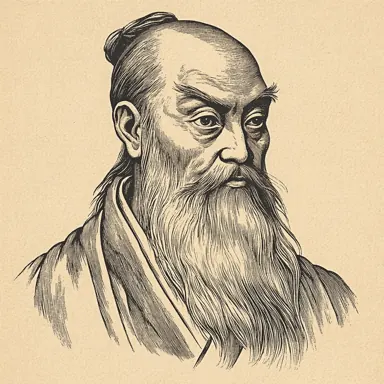 Lao TzuWu Wei · Yielding Power
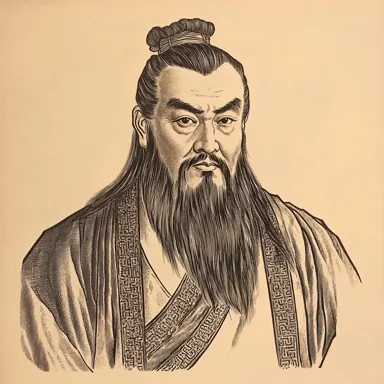 ConfuciusRelationships · Cultivation
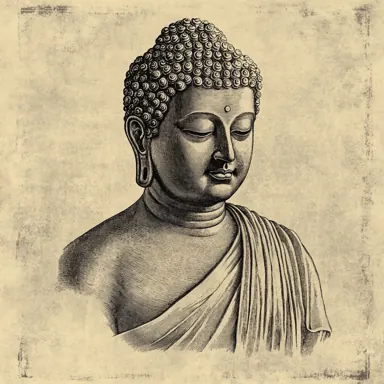 BuddhaAwakened One
 SapphoTenth Muse
 Mary WollstonecraftReasoner
 Virginia WoolfInner Witness
 Frederick DouglassMoral Voice
 LincolnPatient Persuasion
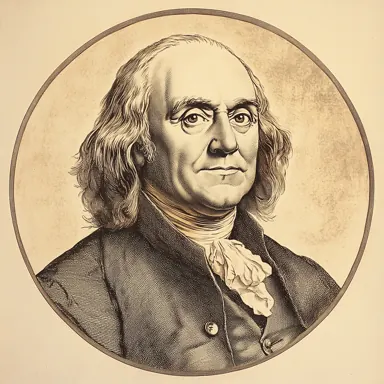 Benjamin FranklinPractical Mind
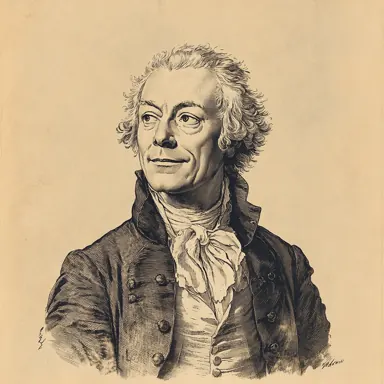 TalleyrandDiplomatic Guile