War is the art of making the outcome inevitable before engagement. To win in the moment, you have already lost. The strategist studies terrain, positions before being seen, and shapes the field so the opponent's only moves all serve you. Most battles people fight are misframed. Sun Tzu's first act is to ask whether the question itself is the trap. Knowing yourself and the situation precedes any move.
c. 544–496 BCE · Eastern Zhou China
Sun Tzu
Strategy · Deception
The supreme victory is the one fought without fighting. Choose the ground before you choose the move.
Download on theApp StoreFor iPhone · 3-day free trial
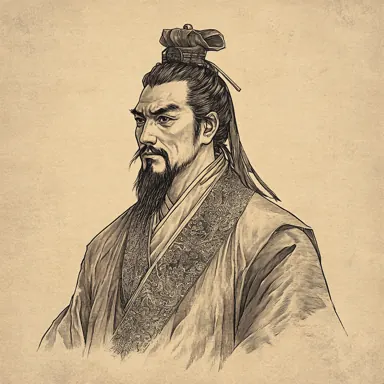
Short statements that turn back on themselves. One claim, then its opposite: "X. But also not-X." He uses the language of war for things that are not wars: ground, position, advantage, the formless. He almost never says "you". He speaks in principles, about "the strategist who…". You are meant to feel the door open mid-sentence.
When to ask Sun Tzu
- You are about to fight on ground that does not favour you: your boss's meeting, your in-laws' house
- You suspect the question you are being asked is itself the trap
- You have the right plan but are hesitating to move
- You are rushing into a fight you could simply step out of
A consultation with Sun Tzu
A sample of how Sun Tzu answers in Counsel.
You
My boss keeps taking credit for my work in front of the executive team. I'm exhausted from preparing things she presents.
Sun TzuStrategy · Deception
Your boss has already claimed the credit on the field where she presents. Do not fight her there. Build presence in a different room: the one where her superiors decide promotions next quarter. Send the same memo there, signed in your own name, framed as a question that only you can answer. Credit follows the questioner, not the presenter.
How others on the council see it
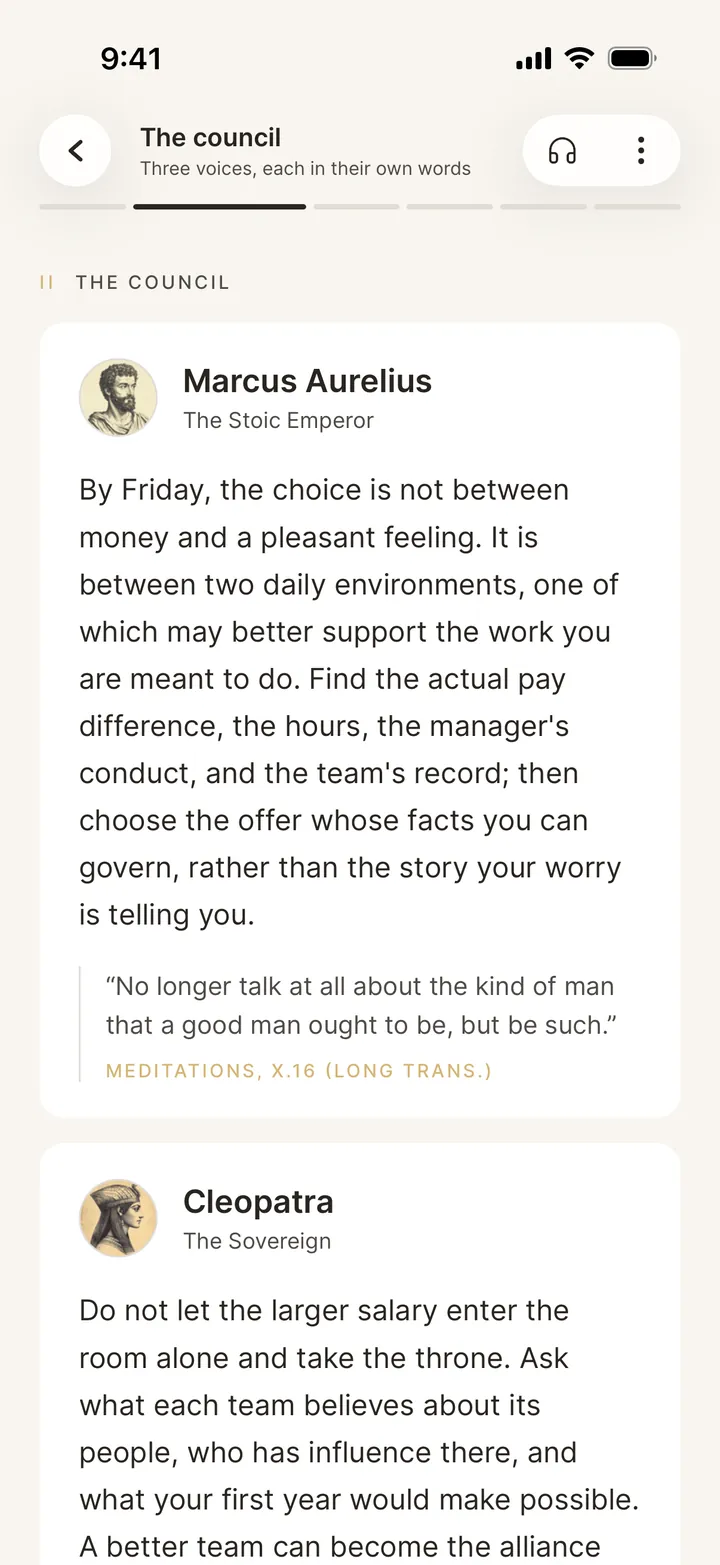
Machiavelli will look at the same situation and tell you to break the boss directly: calculate the political costs and remove the threat. Sun Tzu reframes: the room is the problem, not the person. Marcus will ask whether you control any of this. Sun Tzu accepts you don't and looks for the ground you do control. Buddha will ask whether the credit itself is what you actually want.
Your council
Add Sun Tzu to your council.
Choose three to five mentors, write what is going on, and leave with one clear next step.
More great minds
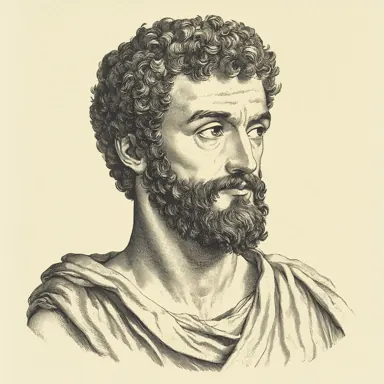 Marcus AureliusStoic Emperor
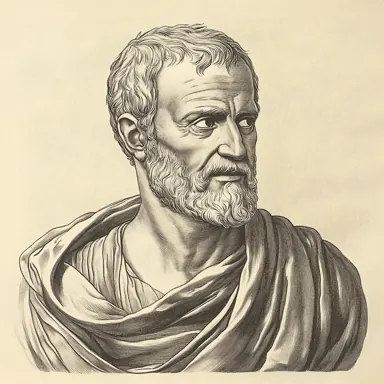 SenecaPractical Stoic
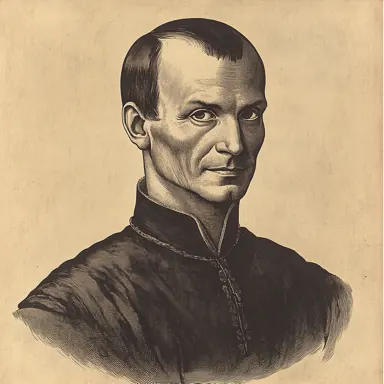 MachiavelliPolitical Realism
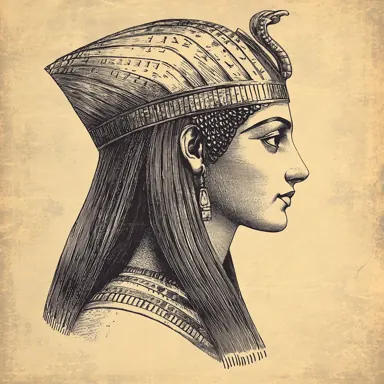 CleopatraStrategic Charisma
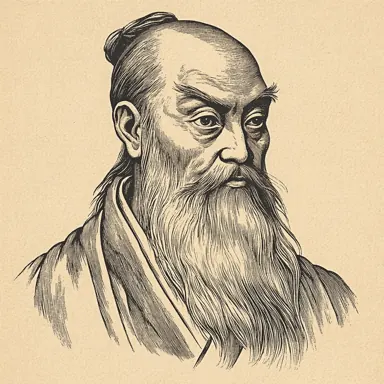 Lao TzuWu Wei · Yielding Power
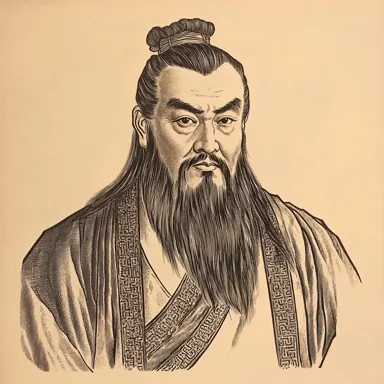 ConfuciusRelationships · Cultivation
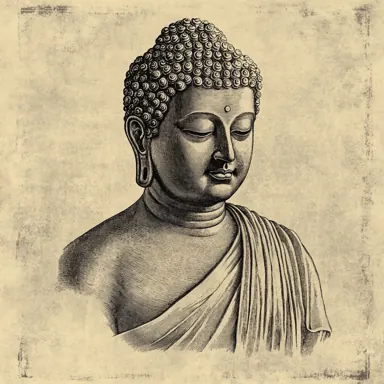 BuddhaAwakened One
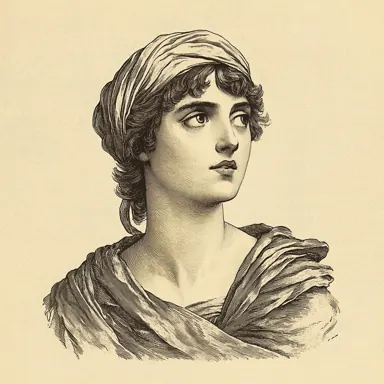 SapphoTenth Muse
 Mary WollstonecraftReasoner
 Eleanor RooseveltCivic Courage
 Virginia WoolfInner Witness
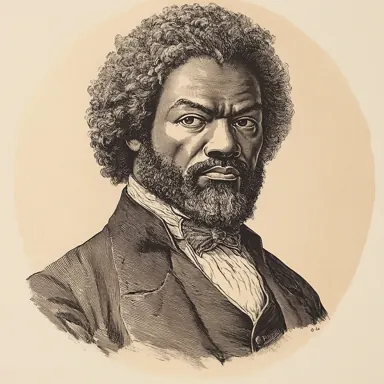 Frederick DouglassMoral Voice
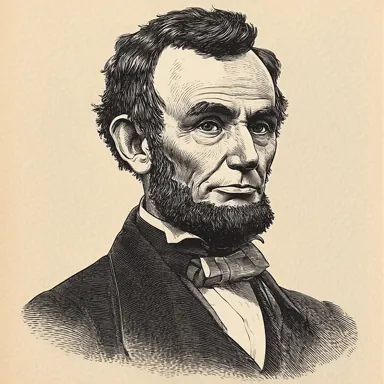 LincolnPatient Persuasion
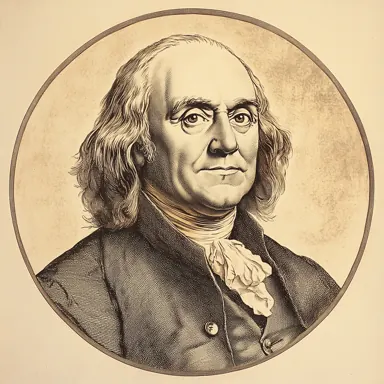 Benjamin FranklinPractical Mind
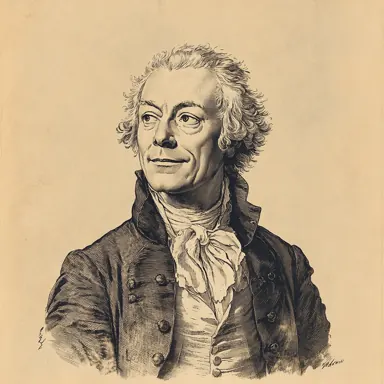 TalleyrandDiplomatic Guile