Letters from a Stoic, explained.
A retired statesman’s letters to a friend, on living well. Seneca’s book in 12 ideas and 3 parts, each told through a real story and what it means for your own week.
In Counsel for iPhone.


Your own life.

Everywhere Is Nowhere
Seneca on reading a few books deeply
In his second letter to Lucilius, Seneca warned that reading many authors in a hurry leaves the mind scattered. Stay with a few great thinkers and digest them, he wrote, the way food must stay down and a plant must stay put to grow. Many of his early letters end with one saying to think over that day.
A few books, truly read, will change you more than a hundred skimmed. Practical advice: choose one book worth reading twice, and finish it before you start another.

You Pack Yourself Too
Seneca on why a trip can’t cure a restless mind
After long travels, Seneca’s friend Lucilius was as gloomy as ever. Seneca told him he needed a change of soul, not of sky, and passed on Socrates’ reply to a man whose trips did him no good: you traveled in your own company. Settle the trouble, Seneca wrote, and any place will feel welcoming.
Wherever you go, you are the first thing you pack. Practical advice: before you book an escape, name what you are trying to leave behind.
The Crowd Comes Home With You
Seneca on how the company you keep changes you
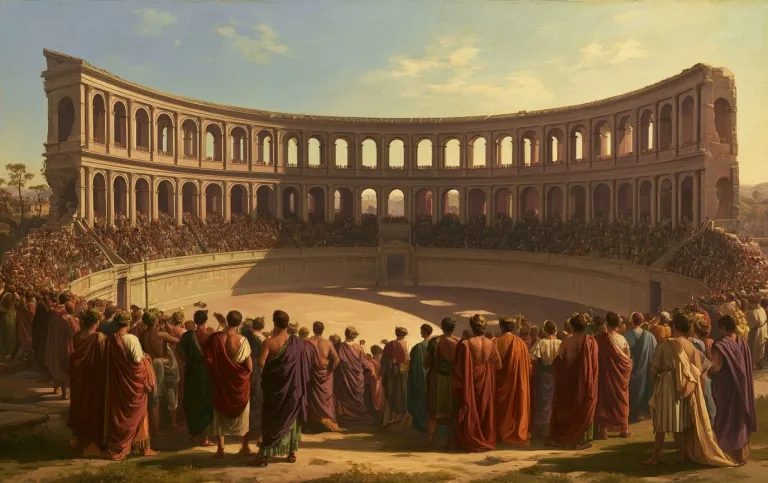
In Letter 7, Seneca told Lucilius that crowds were the thing to avoid. He had stopped at the arena at noon, expecting light fun, and found condemned men forced to kill each other while the crowd cheered. From the games, he admitted, he came home greedier and crueler. Choose people who make you better, he wrote, and people you can help.
The company you keep comes home with you. Practical advice: notice how you feel after time with each group, and spend more evenings with the ones who leave you kinder.

You Can’t Hire Wisdom
Seneca on why no one can be wise for you
In Letter 27, Seneca told of Calvisius Sabinus, a rich man with a poor memory who wanted to seem learned. He bought slaves who knew Homer, Hesiod and the lyric poets by heart, and had them feed him lines at dinner. He still stumbled mid-word. No one, Seneca wrote, can borrow or buy a sound mind.
You can hire someone to know things, but never to be wise for you. Practical advice: before you save another summary, spend ten minutes saying in your own words what the last one taught you.
Hard days.
Rehearse the Lean Days
Seneca on living poor for a few days to shrink the fear of it
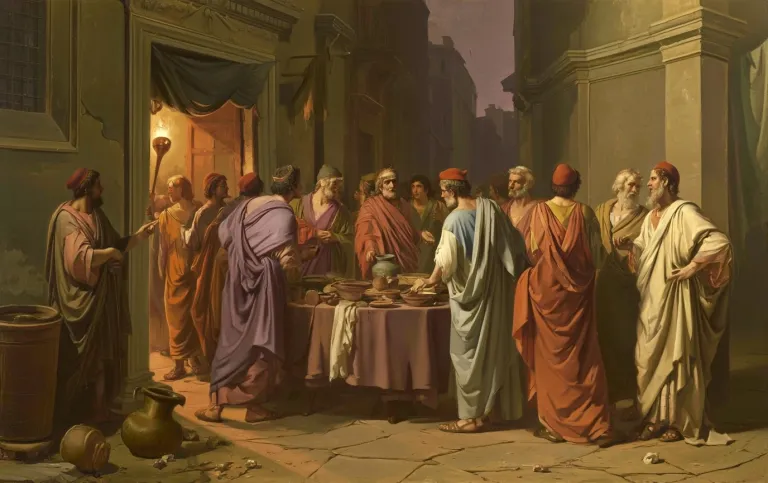
In a December letter, written as Rome feasted for the Saturnalia, Seneca told his friend Lucilius to set aside a few days for the cheapest food, a hard bed and rough clothes, and to ask if this was what he had feared. Soldiers drill in peacetime, he said, and Epicurus tested himself on less than a penny.
Practice the hard times while the good times last. Practical advice: live on a lean budget for one week, and notice how much of the fear was only fear.

One Night Is All It Takes
Seneca on expecting sudden change so it cannot ambush you
In 64 AD, fire destroyed Lugdunum, today’s Lyon, in what Seneca called a single night. Writing about their shaken friend Liberalis, he said the unexpected weighs heaviest, so think about what can happen, not only what usually does. Tacitus says Nero sent the city four million sesterces to rebuild.
You can’t stop every loss, but you can take out the surprise. Practical advice: once a season, ask calmly what could change overnight, and do one small thing to be ready.

Walk, Don’t Be Dragged
Seneca on going willingly where life will take you anyway
When Lucilius’s slaves ran away while he was busy with work, Seneca told him this was ordinary life: things get thrown at you, as in a crowd or on a road. Bear what you cannot change without railing. He ended with a prayer by the Stoic Cleanthes, put into Latin: Fate leads the willing and drags the unwilling.
You will go either way, so choose to walk. Practical advice: when something is decided and final, spend your strength on the next step, not the argument.

Let the Memory Turn Sweet
Seneca on grieving a friend and remembering them with gladness
When Lucilius lost his friend Flaccus, Seneca wrote that tears are allowed, as long as they do not overflow. His teacher Attalus compared the memory of lost friends to old wine, bitter and pleasant at once. Seneca admitted he had wept past his own rules for his younger friend Serenus.
Love your friends greedily while they are here, and let them come back gladly when they are gone. Practical advice: when you miss someone, tell one of their stories out loud.
Other people.

Choose Slowly, Then Trust
Seneca on judging a friend before you trust them
Soon after leaving Nero’s court, Seneca heard from Lucilius, who sent a letter by a man he called a friend, then warned Seneca not to tell him everything. Seneca’s answer, after Theophrastus: judge a person before you make them a friend, then trust them as you trust yourself. He did that with Lucilius, sharing even his illness and his faults.
Take your time letting someone in, then let them all the way in. Practical advice: before you share something private with someone new, watch how they keep other people’s secrets.

To Be Loved, Love
Seneca on how to make friends and why to want them
In his ninth letter, Seneca answered Epicurus, who said a wise man needs friends to look after him when he is sick or in trouble. Seneca turned it around: a wise man wants friends so that he can look after them. Friends made for gain leave when the gain does. To make friends, he passed on Hecato’s love potion: if you would be loved, love.
If you want to be loved, go first and love. Practical advice: this week, do one kind thing for someone you’d like to know better.

Keep a Witness in Mind
Seneca on living as if a good person were watching
Closing his eleventh letter, Seneca passed on Epicurus’s advice: keep a person of good character before your eyes, and live as if they were watching. Choose a Cato, he said, or the gentler Laelius. Romans told how a crowd at the games of Flora was too ashamed to misbehave while Cato the Younger sat watching.
Live as if someone good were watching, until you become that someone. Practical advice: pick one person whose respect you want, and picture them before a hard choice.
How You Treat Those Who Serve
Seneca on treating the people below you as people
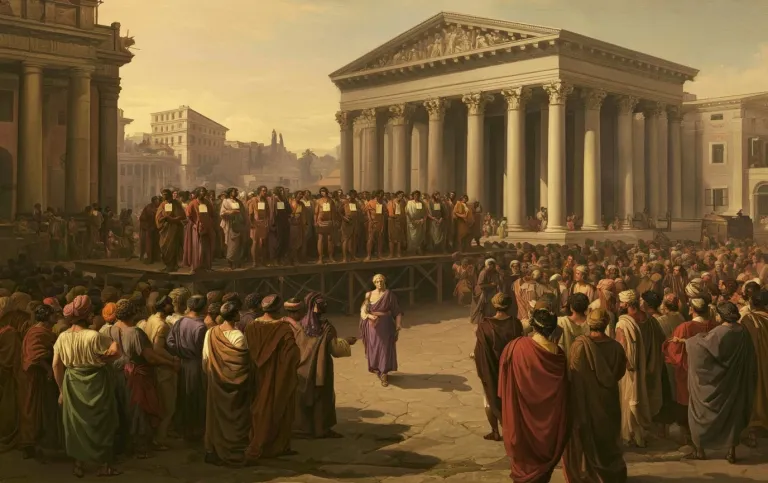
In Letter 47, Seneca, a slave owner himself, praised Lucilius for living on friendly terms with his slaves, and called them men, not just slaves. He described slaves standing hungry and silent through a master’s dinner, and a master who sold Callistus, then waited at his door in vain. He never called for slavery to end.
Treat the people below you the way you’d want those above you to treat you. Practical advice: learn the name of someone who serves you often, and use it.
More classics, explained.
 1513The PrinceThe quiet manual of power, from the man who wrote it.
 about 175 ADMeditationsAn emperor’s private notes to himself, on staying steady.
 about the 5th century BCThe Art of WarThe oldest book on strategy, for every kind of conflict.
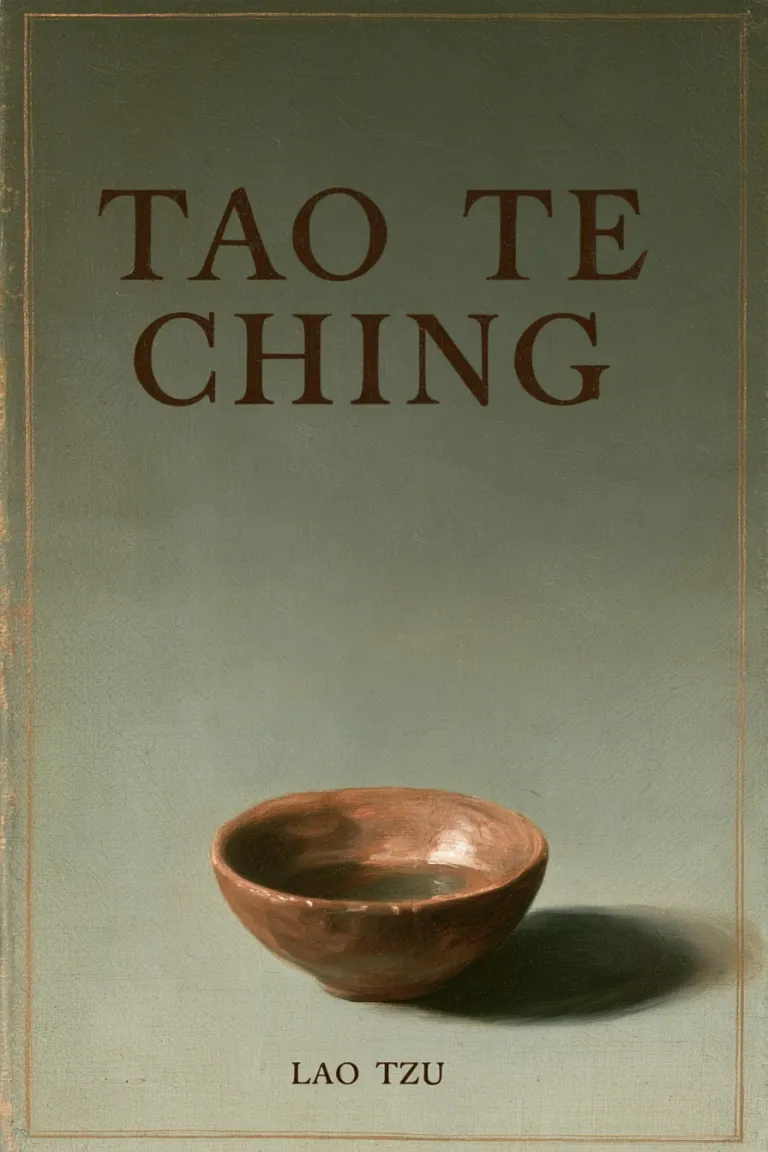 about the 4th century BCTao Te ChingEighty-one short verses on doing less and forcing nothing.
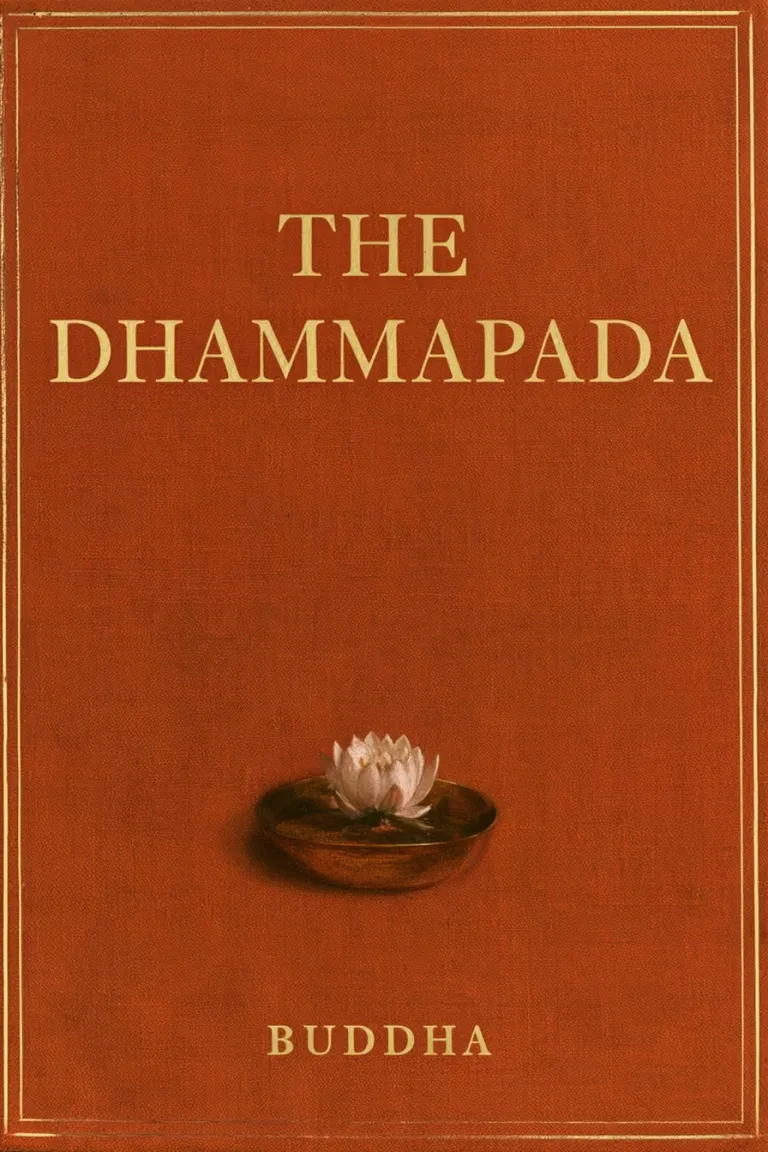 gathered 3rd century BCThe DhammapadaThe Buddha’s sayings in verse, on taming your own mind.
Read Letters from a Stoic a minute at a time.
Every idea starts with the real story, then shows where it lives in your week.
Download on theApp StoreEvery idea is drawn from the public-domain text, and its names, dates and quotes are checked against the sources listed with it. The paintings are made for Counsel; they show the scene, not a historical record.
