Letters from a Stoic · Part 3, Other people · Idea 12 of 12

How You Treat Those Who Serve

Seneca on treating the people below you as people. From Letters from a Stoic by Seneca, about 62 to 65 AD.

Download on theApp Store
The whole story is in Counsel.
About a minute.
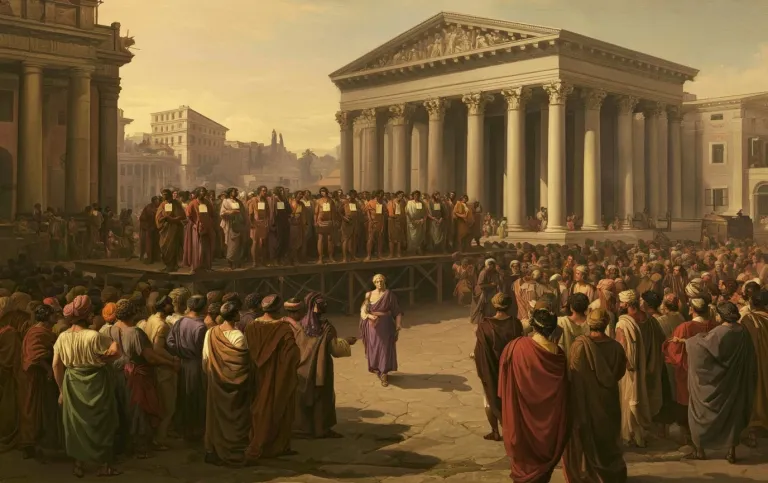
A painting for How You Treat Those Who Serve

Where it comes from.

In the early 60s AD, Seneca was one of the richest men in Rome. Like other rich Romans, he owned slaves.

Roman slaves were property. They could be bought and sold, beaten and abused, with no say in any of it.

Then word reached Seneca that his friend Lucilius lived on friendly terms with his own slaves. Letter 47 is his reply, and it starts with praise.
3 more screens in the appThe rest of the story, and where it turns up in your own week.
The idea in short

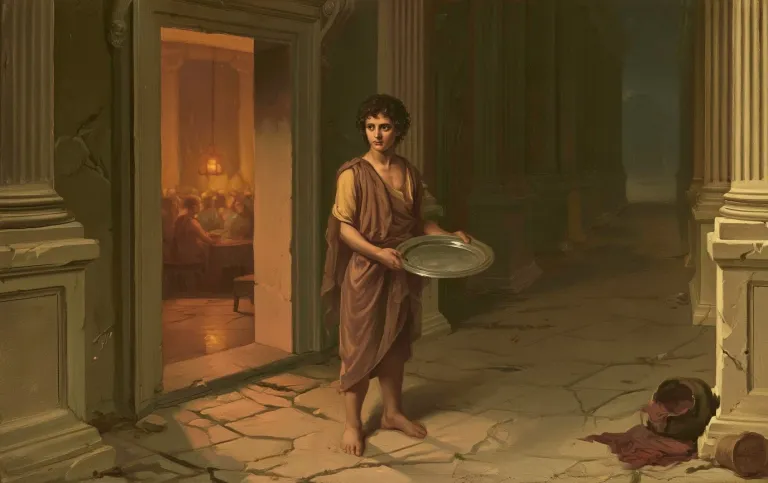
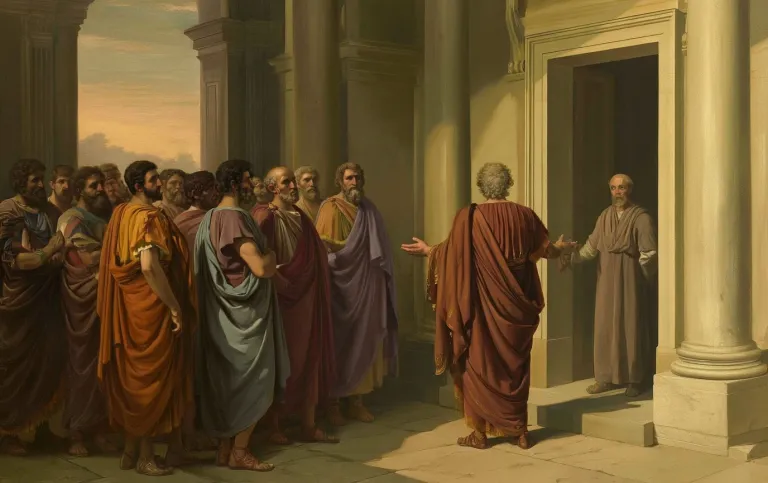
In Letter 47, Seneca, a slave owner himself, praised Lucilius for living on friendly terms with his slaves, and called them men, not just slaves. He described slaves standing hungry and silent through a master’s dinner, and a master who sold Callistus, then waited at his door in vain. He never called for slavery to end.

Treat the people below you the way you’d want those above you to treat you. Practical advice: learn the name of someone who serves you often, and use it.

Well established · checked against 8 sources

Make it yours.

Make it your step

Learn the name of someone who serves you often, and use it.

Ask your council

“I get short with waiters and delivery drivers when I’m stressed. How do I stop?”

Sources.

  1. Moral Letters to Lucilius, Letter 47: On master and slave, translated by Richard M. Gummere (Loeb, vol. 1), Seneca (Wikisource), 1917The text
  2. Moral Letters to Lucilius, Letter 12: On old age, translated by Richard M. Gummere (Loeb, vol. 1), Seneca (Wikisource), 1917The text
  3. Slavery in ancient Rome, Wikipedia, 2026
  4. Seneca the Younger, Wikipedia, 2026
  5. The Annals, Book 14, translated by Alfred John Church and William Jackson Brodribb, Tacitus (Wikisource), 1876The text
  6. Gaius Julius Callistus, Wikipedia, 2026
  7. The Annals, Book 15, translated by Alfred John Church and William Jackson Brodribb, Tacitus (Wikisource), 1876The text
  8. Epistulae Morales ad Lucilium, Wikipedia, 2026

Letters from a Stoic, in 12 ideas.

  1. 1
    Everywhere Is NowhereSeneca on reading a few books deeply
  2. 2
    You Pack Yourself TooSeneca on why a trip can’t cure a restless mind
  3. 3
    The Crowd Comes Home With YouSeneca on how the company you keep changes you
  4. 4
    You Can’t Hire WisdomSeneca on why no one can be wise for you
  5. 5
    Rehearse the Lean DaysSeneca on living poor for a few days to shrink the fear of it
  6. 6
    One Night Is All It TakesSeneca on expecting sudden change so it cannot ambush you
  7. 7
    Walk, Don’t Be DraggedSeneca on going willingly where life will take you anyway
  8. 8
    Let the Memory Turn SweetSeneca on grieving a friend and remembering them with gladness
  9. 9
    Choose Slowly, Then TrustSeneca on judging a friend before you trust them
  10. 10
    To Be Loved, LoveSeneca on how to make friends and why to want them
  11. 11
    Keep a Witness in MindSeneca on living as if a good person were watching
  12. 12
    How You Treat Those Who ServeSeneca on treating the people below you as people
Tonight’s read is free

Read the rest in Counsel.

How You Treat Those Who Serve and the other 11 ideas of Letters from a Stoic, a minute at a time.

Download on theApp Store

Every idea is drawn from the public-domain text, and its names, dates and quotes are checked against the sources listed with it. The paintings are made for Counsel; they show the scene, not a historical record.

CounselTonight’s read is freeGet