Tao Te Ching, explained.
Eighty-one short verses on doing less and forcing nothing. Lao Tzu’s book in 12 ideas and 3 parts, each told through a real story and what it means for your own week.
In Counsel for iPhone.

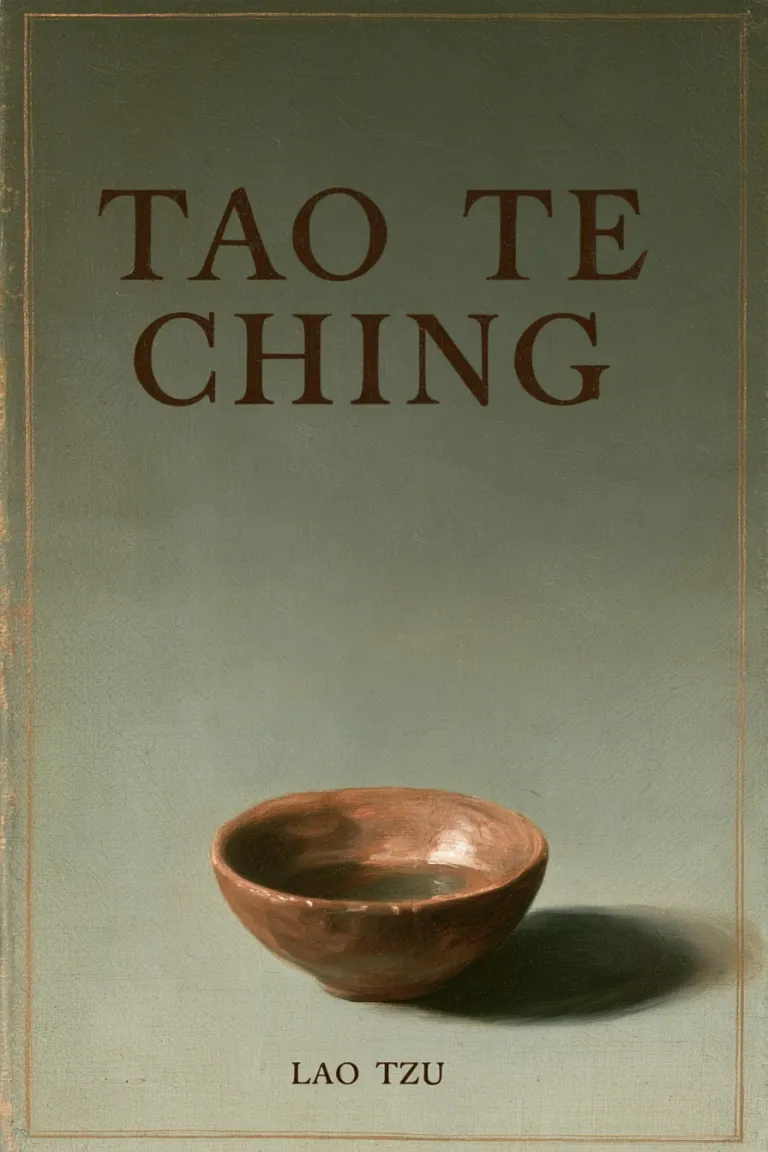
Less, not more.

Use the Empty Space
Lao Tzu on why the empty part makes a thing useful
The Tao Te Ching, credited to Lao Tzu, says in chapter 11 that thirty spokes meet at one hub, yet the wheel works because of the empty center. A pot is used for its hollow, a room for its open space. Frank Lloyd Wright built Unity Temple around the space inside, and later gave Lao Tzu the credit for the idea.
What you leave empty is what makes a thing useful. Practical advice: in your next hard talk, let one pause run longer before you answer.

Subtract Something Daily
Lao Tzu on getting better by taking things away
The Tao Te Ching, credited to Lao Tzu, says in chapter 48 that learning adds a little every day, while the Way takes a little away. Its oldest known copy, buried around 300 BC, already held the line. In a 2021 study, many people paid to add pieces to a shaky toy tower, when taking one block out was free and worked better.
The fix you overlook is usually the one that takes something out. Practical advice: before you add a new habit or tool, name one thing to drop.

Know When It’s Enough
Lao Tzu on the trouble with never having enough
The Tao Te Ching, credited to Lao Tzu, says there is no calamity greater than being discontented with your lot, and that whoever knows when to stop stays out of danger. The novelist Joseph Heller, at a billionaire’s party, said he had one thing his host never would: knowing he had enough.
Enough is a line you draw, not an amount you reach. Practical advice: before your next raise, decide what the money is for.

Stop Before It Spills
Lao Tzu on stepping back when the work is done
The Tao Te Ching, credited to Lao Tzu, says in chapter 9 that it is better to stop short of full than to carry a brimming cup, and that when the work is done, you should step back. In 1783, George Washington handed his command back to Congress at the height of his fame, and went home.
Set the cup down while it is still full. Practical advice: when something you built is going well, plan who takes it on next.
Without forcing.
Start With One Step
Lao Tzu on why every big thing starts small
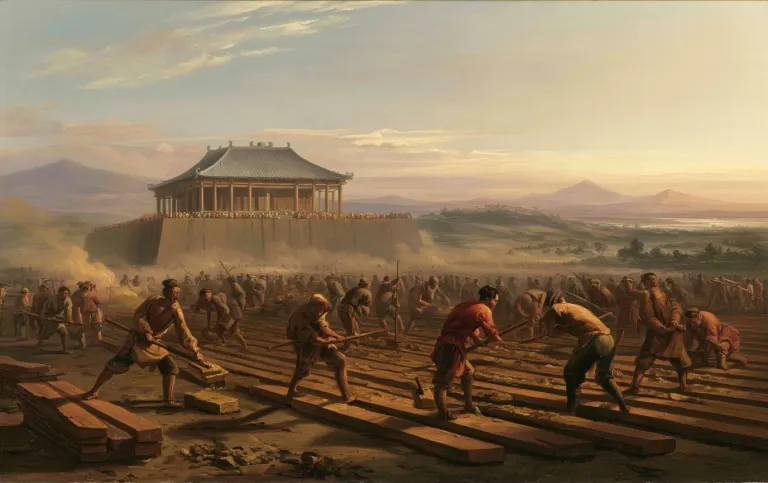
The Tao Te Ching, an old Chinese book credited to Lao Tzu, says a tree too thick to hug grew from a tiny sprout, and a journey of a thousand li begins with one step. In 1977, Wangari Maathai started a movement in Kenya with seven trees in a Nairobi park. By 2004, it had planted over 30 million.
The whole road is too long to start, but the first step never is. Practical advice: shrink the first step until you can take it today.
Turn the Fish Once
Lao Tzu on why too much change spoils good work
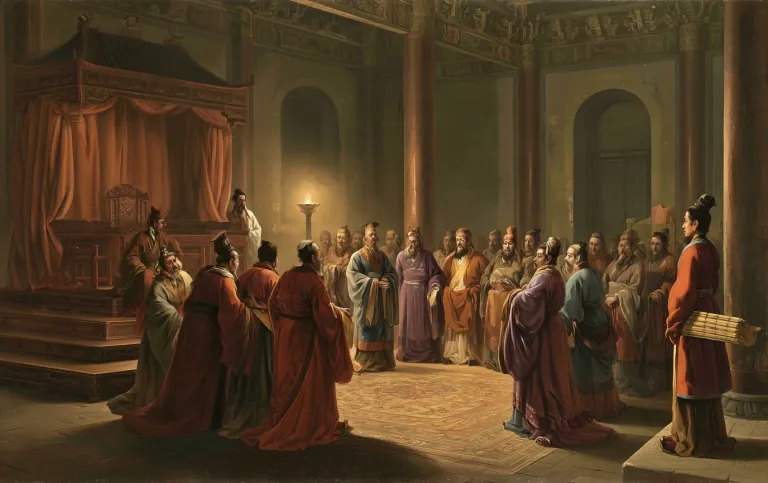
The Tao Te Ching says governing a great state is like cooking small fish. The book of Han Fei, from the 3rd century BC, explains: keep poking a small fish and you spoil it; keep changing the laws and the people suffer. Wang Mang, who took China’s throne in AD 9, changed its money again and again. Trade stalled, and in AD 23 he fell.
Change what matters once, then give it time to set. Practical advice: before you change a plan again, check whether the last change has settled.
Get Off Your Tiptoes
Lao Tzu on why showing off makes you less steady
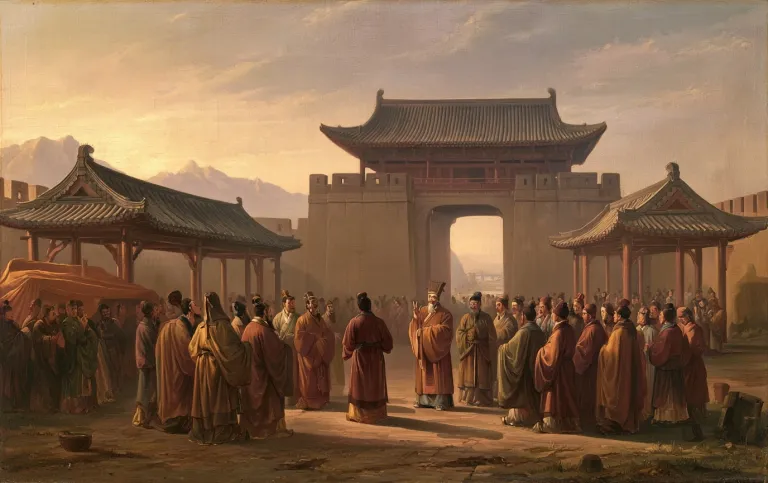
The Tao Te Ching says one who stands on tiptoe does not stand firm, and one who shows himself off does not shine. In 1628, Sweden’s warship Vasa was built as a display of its king’s power, with heavy guns and hundreds of carved figures. Too tall above the water, it sank minutes into its first voyage.
Standing on tiptoe makes you taller for a minute; standing flat lets you stay. Practical advice: in your next meeting, ask one question you would usually be too proud to ask.

Let the Mud Settle
Lao Tzu on why a churned-up mind clears when you stop stirring it
The Tao Te Ching asks who can make muddy water clear, and answers: let it be still, and it slowly clears. Around 1880, Henri Poincaré had been working hard on a problem. He left on a geology trip, forgot it, and the idea he needed came as he stepped onto a bus in Coutances.
You can’t make muddy water clear, but you can stop stirring it. Practical advice: think a hard choice through once, then walk or sleep on it before you decide.
With other people.

Let Them Say We Did It
Lao Tzu on the leader people hardly notice
Chapter 17 of the Tao Te Ching describes four kinds of rulers: those people hardly notice, those they love, those they fear, and those they despise. When the best finish their work, people say it was their own doing. Nelson Mandela saw this in the regent who raised him, who listened first and spoke last.
The best leaders leave people saying, “We did it ourselves.” Practical advice: in your next meeting, ask your questions first and give your view last.
Stop Sending the Bill
Lao Tzu on holding a debt without pressing for it
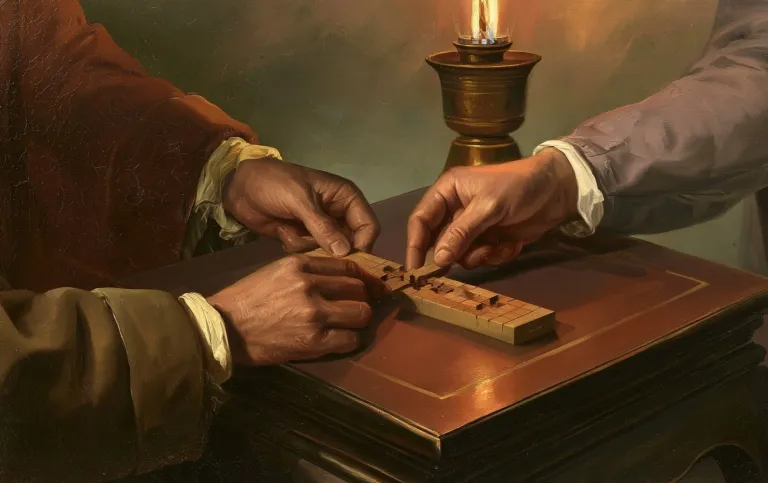
Chapter 79 of the Tao Te Ching says that when a great quarrel is patched up, a grudge remains. So the wise one keeps his half of the tally but does not press for payment. An old story tells of Feng Xuan, who burned his lord’s debt tallies in the town of Xue. When the lord fell from favor, its people came out on the road to meet him.
Remember what you are owed if you must, but stop collecting. Practical advice: pick one small debt you keep bringing up, and drop it.
Trust the Plain Words
Lao Tzu on sincere words and fine-sounding ones
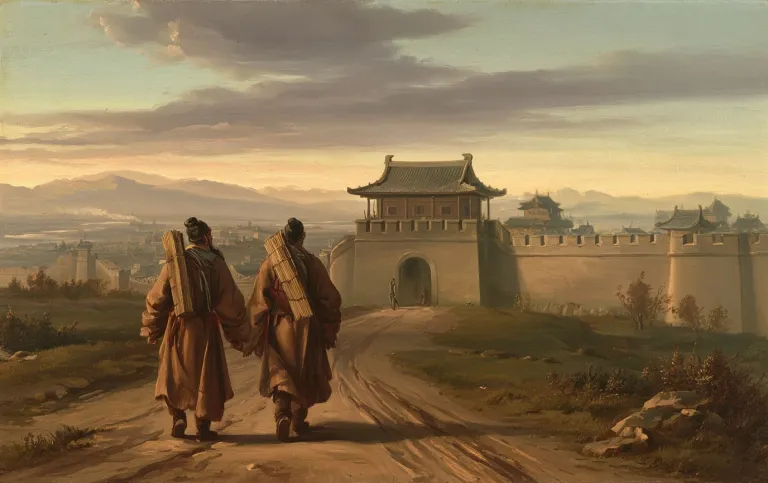
Chapter 81 of the Tao Te Ching says sincere words are not fine, and fine words are not sincere. In 313 BC, the persuader Zhang Yi offered the king of Chu 600 li of land to break with his ally. Only Chen Zhen warned it was a trap. The land shrank to six li, and Chu lost the war that followed.
The words that please you most deserve the hardest look. Practical advice: before you say yes to a big promise, ask what could go wrong.
Keep the Three Treasures
Lao Tzu on gentleness, thrift and not pushing to be first
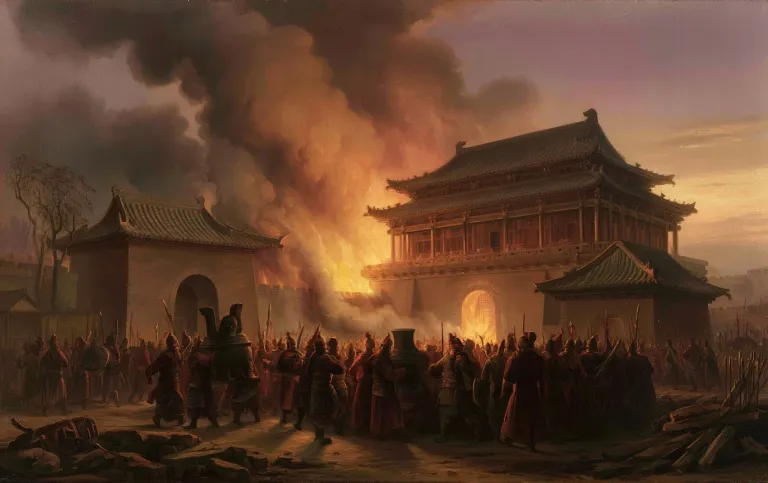
Chapter 67 of the Tao Te Ching names three treasures: gentleness, thrift, and not pushing to be first. Gentleness makes you brave, it says; thrift lets you give; holding back earns honor. King Min of Qi pushed to be first and lost everything in 284 BC. A century later, Emperor Wen of Han lived plainly and gently, and is remembered for it.
Be gentle, live plainly, and let others go first. Practical advice: this week, let someone else take the credit or the front seat once.
More classics, explained.
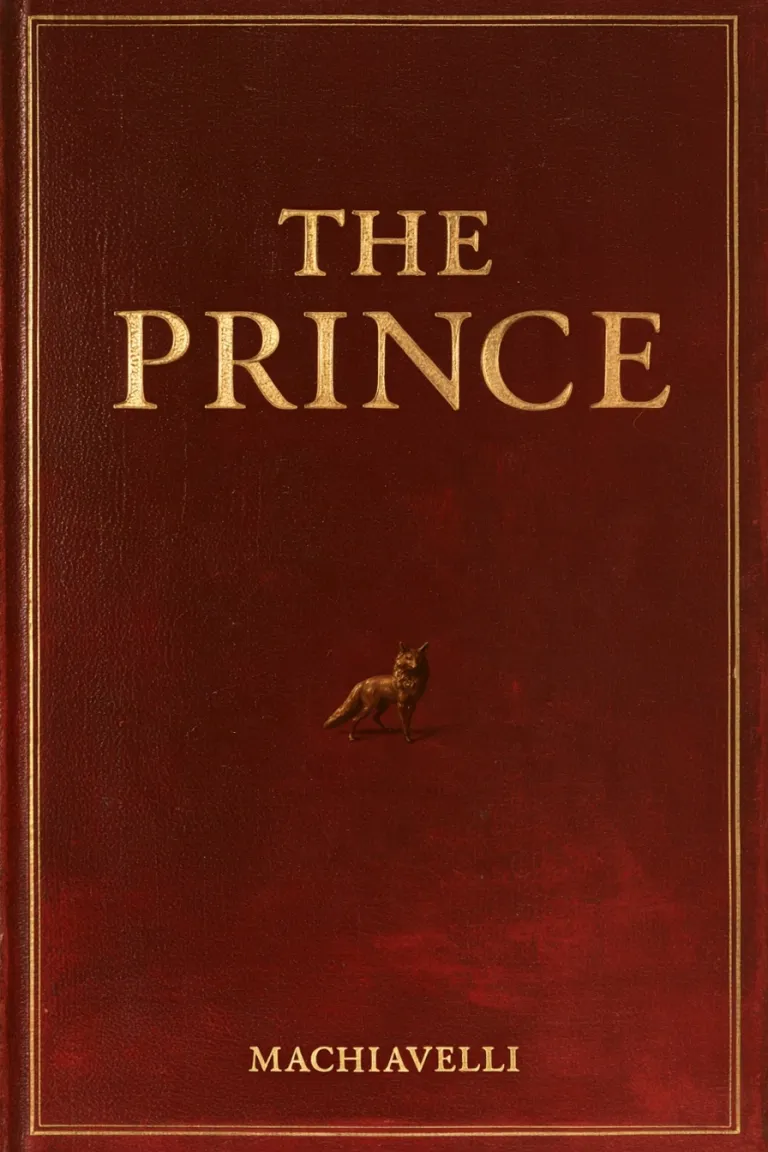 1513The PrinceThe quiet manual of power, from the man who wrote it.
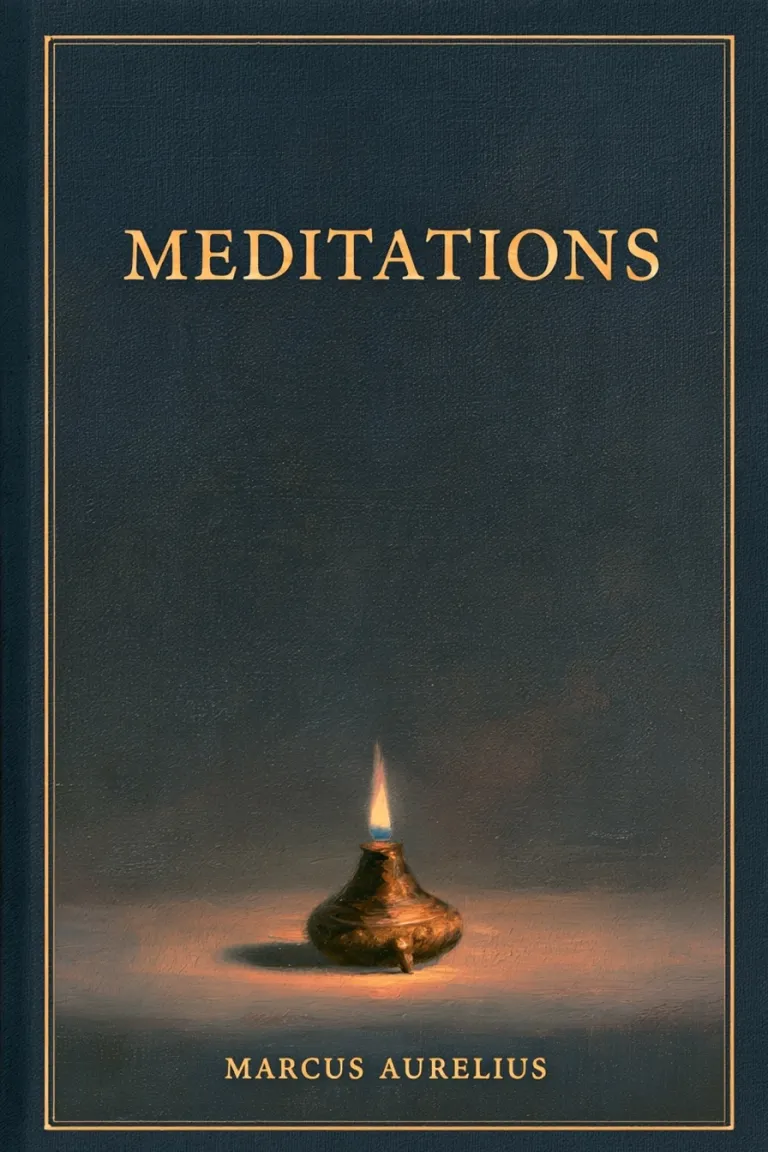 about 175 ADMeditationsAn emperor’s private notes to himself, on staying steady.
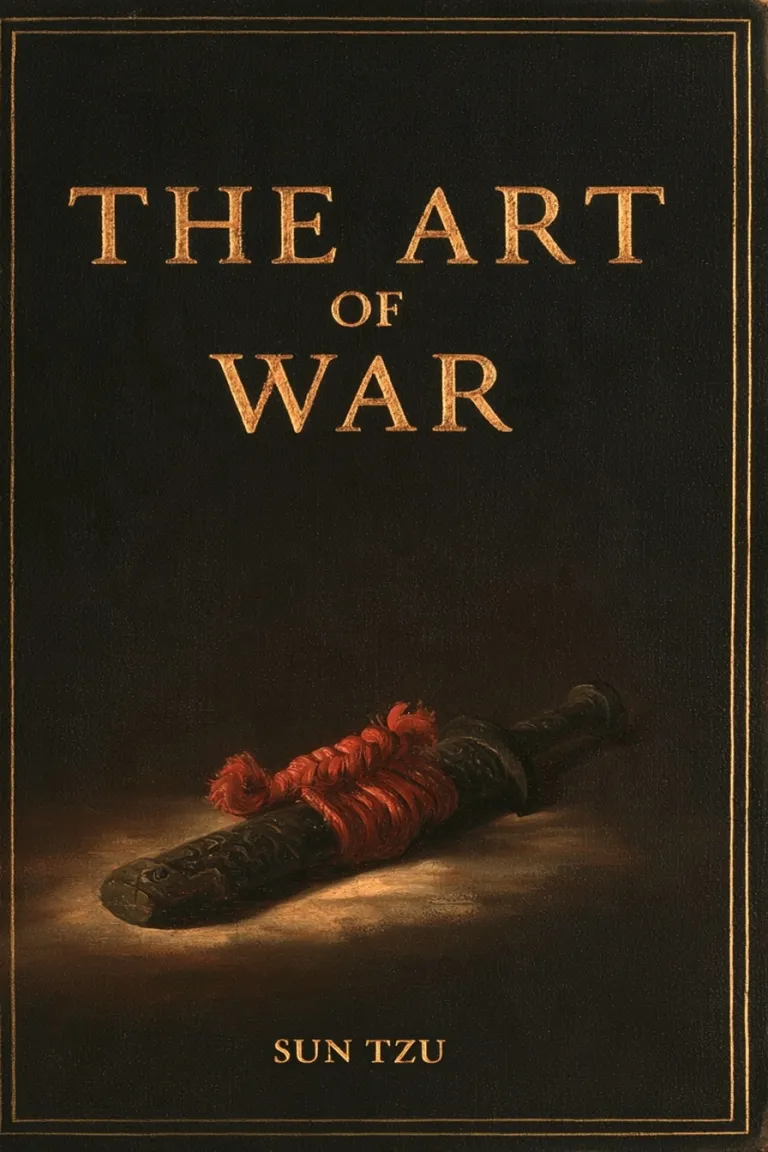 about the 5th century BCThe Art of WarThe oldest book on strategy, for every kind of conflict.
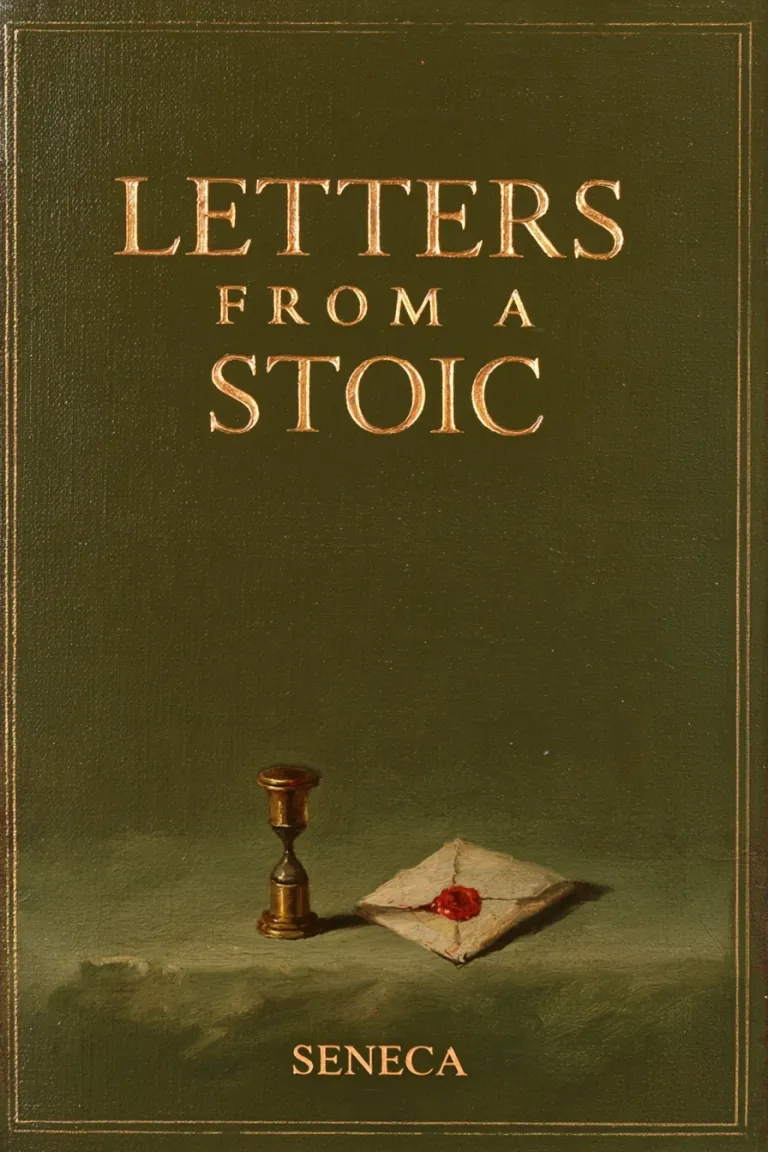 about 62 to 65 ADLetters from a StoicA retired statesman’s letters to a friend, on living well.
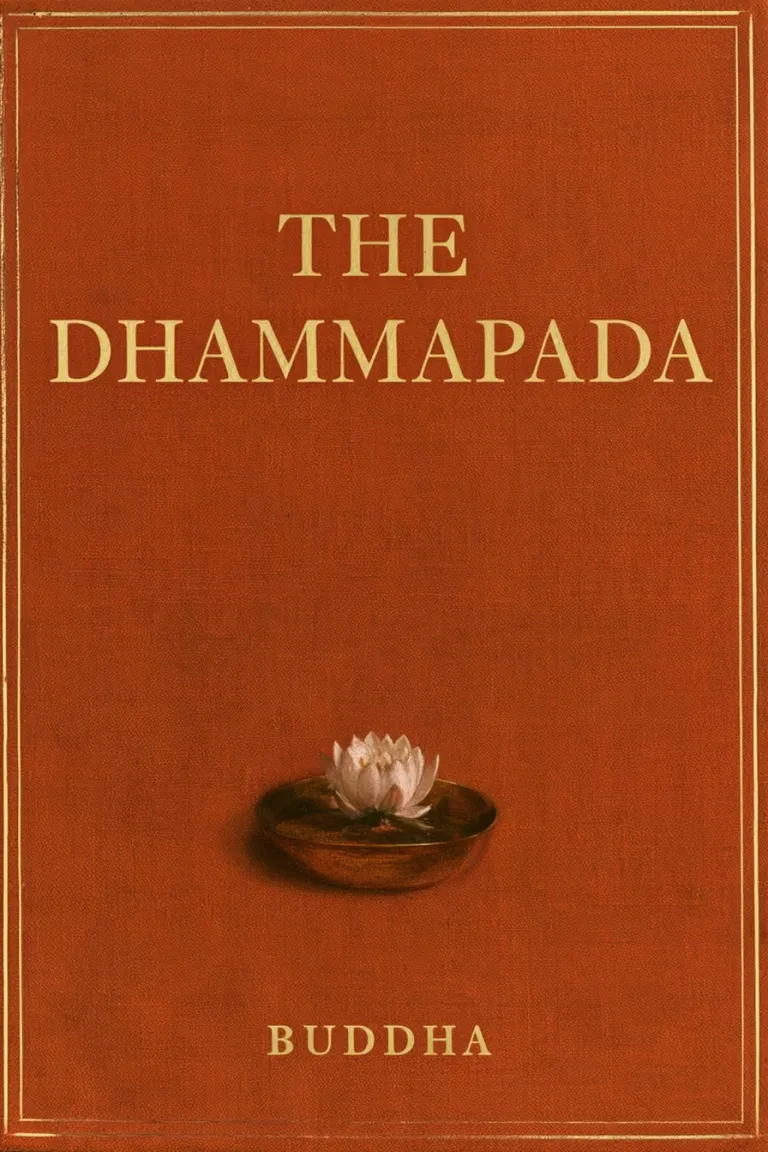 gathered 3rd century BCThe DhammapadaThe Buddha’s sayings in verse, on taming your own mind.
Read Tao Te Ching a minute at a time.
Every idea starts with the real story, then shows where it lives in your week.
Download on theApp StoreEvery idea is drawn from the public-domain text, and its names, dates and quotes are checked against the sources listed with it. The paintings are made for Counsel; they show the scene, not a historical record.
