The Prince, explained.
The quiet manual of power, from the man who wrote it. Niccolò Machiavelli’s book in 12 ideas and 3 parts, each told through a real story and what it means for your own week.
In Counsel for iPhone.


Seeing it clearly.

See It As It Is
Machiavelli on how people really live, not how they ought to
In The Prince (1513), Machiavelli broke with the old advice books for rulers. How people live, he wrote, is far from how they ought to live, and a leader who acts only on the ideal is ruined. He had watched patience fail his own boss, Piero Soderini, who was driven out when the Medici returned in 1512.
Be good with your eyes open, not with them shut. Practical advice: before a plan depends on other people, look at what they did last time, and plan for that.

Catch the Fever Early
Machiavelli on dealing with trouble while it is still small
In chapter 3 of The Prince (1513), Machiavelli praised the Romans for dealing with trouble while it was still far off. He borrowed what doctors said of a wasting fever: early on it is easy to cure but hard to see, and later easy to see but hard to cure.
Small trouble is cheap only while it is hard to see. Practical advice: when something feels slightly off at work or at home, name it this week, while it is still small.

Change Has Lukewarm Friends
Machiavelli on why change has fierce enemies and lukewarm friends
In chapter 6 of The Prince (1513), Machiavelli wrote that nothing is harder than bringing in a new order. Those who did well under the old way fight you hard, and those who would gain defend you only lukewarmly. His example was Savonarola, the friar who led Florence after 1494 and fell in 1498 once the crowd stopped believing.
Change dies less from its enemies than from its friends waiting to see. Practical advice: before you change something, plan one early win the quiet supporters can see.

Build Banks in Calm Weather
Machiavelli on fortune as a flooding river, and the banks you can build
In chapter 25 of The Prince (1513), Machiavelli wrote that fortune rules about half of what we do and leaves the rest to us. He compared it to a flooding river: no one can stop the flood, but in fair weather people can build banks so the next one does less harm. Italy, he said, had built none, and in 1494 a French army walked through it.
Fortune picks the day of the flood; you pick what is still standing. Practical advice: in a calm month, build one bank, such as savings, a skill or a backup.
Keeping it.

Feared, Never Hated
Machiavelli on whether to be loved or feared
In The Prince, written in 1513, Machiavelli argued that a leader should ideally be both loved and feared. Forced to choose, fear is safer, because love lasts only while it pays. He pointed to Hannibal, whose army never rebelled, and to Scipio, whose troops rose up in Spain.
Be firm enough to be respected, and fair enough never to be hated. Practical advice: set one clear limit at work, and keep it the same for everyone, every time.

Be the Lion and the Fox
Machiavelli on the lion that misses traps and the fox that cannot fight
In chapter 18 of The Prince (1513), Machiavelli wrote that a ruler must be both beasts: the lion cannot see traps, and the fox cannot fight off wolves. He had watched Cesare Borgia trap his rebel captains at Senigallia in 1502. The same chapter also defends breaking promises, the part readers have argued over ever since.
Be sharp enough to see the trap and steady enough to refuse it. Practical advice: before you agree to anything rushed, read it slowly and ask why the rush.

Make the Decision Stick
Machiavelli on why leaders who waver end up despised
In chapter 19 of The Prince (1513), Machiavelli wrote that leaders fall to hatred or to contempt. Contempt comes from seeming changeable, shallow or unable to decide. His example was the emperor Severus Alexander, a just man seen as soft and run by his mother, whose own soldiers killed him in 235.
Change your mind for a new fact, never for the loudest push. Practical advice: when you decide something, say why once, then hold to it unless the facts change.

Bad News All at Once
Machiavelli on doing hard things at once and good things slowly
In chapter 8 of The Prince (1513), Machiavelli looked at two men who took power by crime, Agathocles of Syracuse and Oliverotto da Fermo, and refused to call it glory. Yet he drew a rule from them: harm done all at once is felt less, while benefits given little by little are enjoyed longer.
Give bad news all at once and good news a little at a time. Practical advice: when you have hard news, tell all of it in one talk, with nothing saved for later.
The people around you.

Judged by Your Circle
Machiavelli on why people judge a leader by the people around them
In chapter 22 of The Prince, Machiavelli wrote that the first guess at a ruler’s mind comes from the people around him. Anyone who knew Antonio da Venafro thought his master, Pandolfo Petrucci of Siena, clever for choosing him. You need not have every idea yourself, he said, if you can tell good advice from bad.
People judge your mind by the minds you keep close. Practical advice: before you hire or lean on someone, ask what that choice says about your judgment.

Ask Widely, Decide Alone
Machiavelli on taking advice without losing your own mind
In chapter 23 of The Prince, Machiavelli warned that courts fill with flatterers. His cure was to choose a few wise people and ask them about everything. Then decide yourself, and hold to it. His example was Emperor Maximilian, who asked no one, then gave way to whoever pushed back.
Get the truth before you decide, then let the decision stand. Practical advice: before your next big call, ask three people who will be honest, then set a date and decide.

Get Off the Fence
Machiavelli on why staying neutral rarely keeps you safe
In chapter 21 of The Prince, Machiavelli argued that a leader caught between two warring neighbors should take a side. His example: in 192 BC, the Achaeans turned down Antiochus’ offer to stay neutral and sided with Rome, which won. He added a warning: never join a stronger power to attack others unless you must.
Standing back rarely keeps you safe; it just leaves you alone. Practical advice: when a choice truly involves you, say plainly where you stand.

Fight in Your Own Armor
Machiavelli on why borrowed strength lets you down
In chapter 13 of The Prince, Machiavelli warned against borrowed armies: if they lose, you are ruined, and if they win, you are their captive. He had watched troops sent by France fail Florence at Pisa in 1500. His proof was David, who refused Saul’s armor and fought with his own sling.
Strength you borrow can be taken back; strength you build stays. Practical advice: name one thing you lean on someone else for, and start learning it yourself.
More classics, explained.
 about 175 ADMeditationsAn emperor’s private notes to himself, on staying steady.
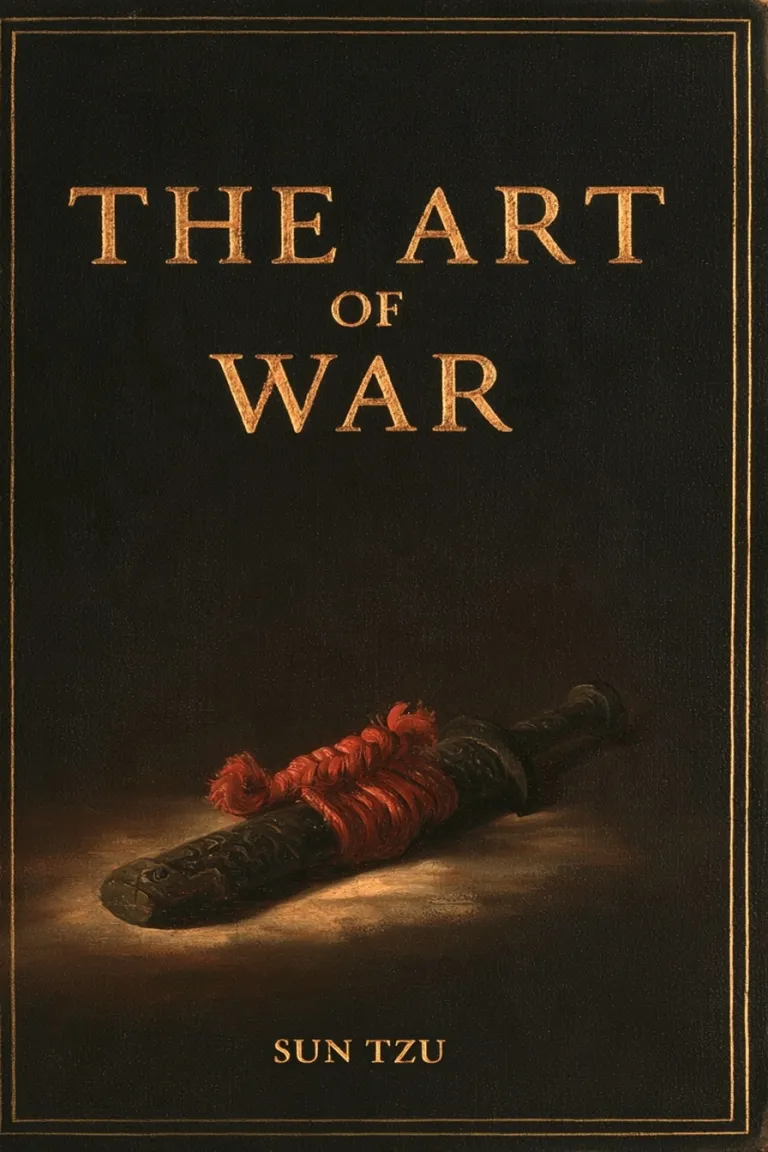 about the 5th century BCThe Art of WarThe oldest book on strategy, for every kind of conflict.
 about 62 to 65 ADLetters from a StoicA retired statesman’s letters to a friend, on living well.
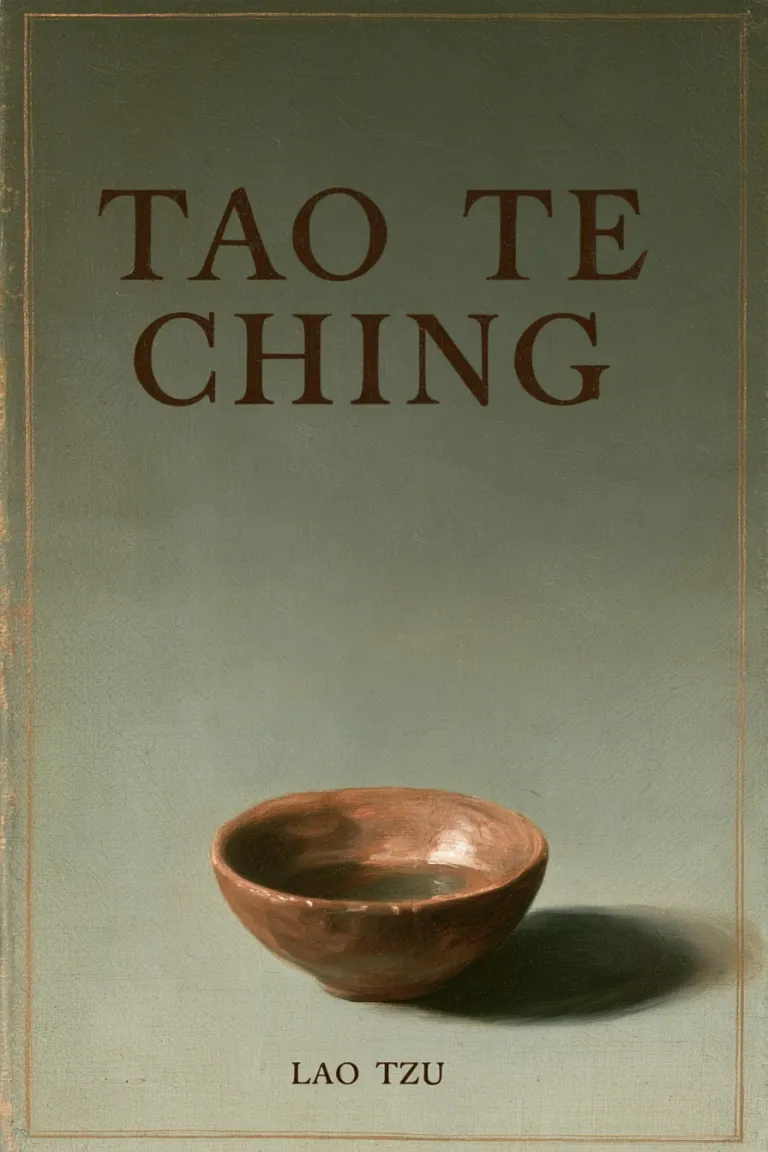 about the 4th century BCTao Te ChingEighty-one short verses on doing less and forcing nothing.
 gathered 3rd century BCThe DhammapadaThe Buddha’s sayings in verse, on taming your own mind.
Read The Prince a minute at a time.
Every idea starts with the real story, then shows where it lives in your week.
Download on theApp StoreEvery idea is drawn from the public-domain text, and its names, dates and quotes are checked against the sources listed with it. The paintings are made for Counsel; they show the scene, not a historical record.
