Meditations, explained.
An emperor’s private notes to himself, on staying steady. Marcus Aurelius’s book in 12 ideas and 3 parts, each told through a real story and what it means for your own week.
In Counsel for iPhone.

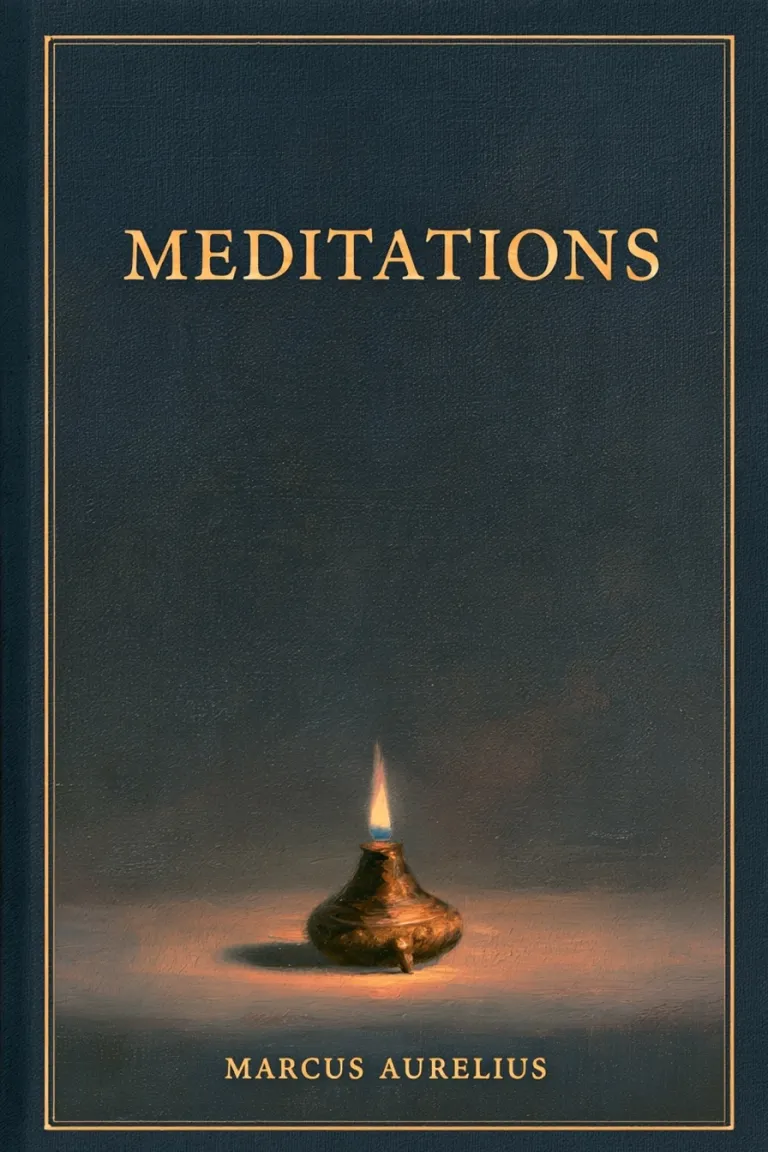
Your own mind.
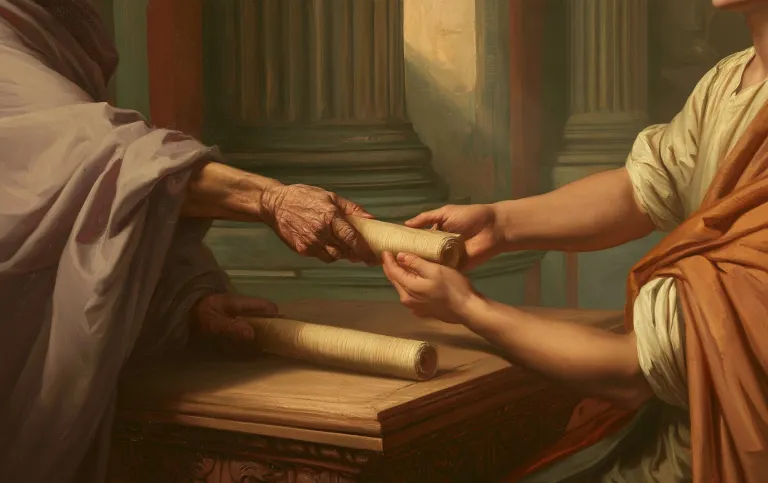
Take Back the Verdict
Marcus Aurelius on why the hurt is in your judgment, not the thing
Marcus Aurelius learned from his teacher Rusticus, who lent him the lessons of Epictetus, that people are upset less by events than by their judgments of them. As emperor he wrote that if something outside you causes pain, the pain is your own judgment, and you can wipe it out. His test: throw away the bitter cucumber, and skip asking why cucumbers are bitter.
The thing happened once; the verdict hurts each time you repeat it. Practical advice: when something stings, write the plain fact, then the story you added.

The Retreat Inside
Marcus Aurelius on finding quiet in your own mind
In 162, Marcus Aurelius took a seaside holiday at Alsium and could not stop working, and his teacher Fronto teased him for it. Years later his notebook said that people seek retreats in the country and by the sea, but the quietest place to retire to is your own mind, stocked with a few short rules.
The quietest place you can reach in a hurry is inside you. Practical advice: keep three short sentences that steady you, and go back to them on hard days.

Use the Roadblock
Marcus Aurelius on turning what blocks you into help
Marcus Aurelius spent most of his last years at war along the Danube, far from the life he had known in Rome. In his notebook he wrote that people can block his actions but not his intentions, because the mind turns each obstacle into help. His picture was a strong fire that burns whatever is heaped on it and rises higher.
A strong fire turns what is thrown on it into fuel. Practical advice: when something stalls you, ask what it lets you practice.

You Can Only Lose Today
Marcus Aurelius on why the present is the only thing you can lose
Marcus Aurelius wrote in years of war, with a plague that kept returning across the empire. In his notebook he argued that whether you live three thousand years or a few, you only ever lose the present, because the past and future are not yours to lose. Even men who clung to life were buried in the end.
The past is gone and the future isn’t here, so today is all you can lose. Practical advice: when regret about lost years keeps you up, spend the next hour on something you value.
The day’s work.

Get Up for the Work
Marcus Aurelius on getting out of bed when you don’t want to
As a boy of about eleven, Marcus Aurelius slept on the ground like a philosopher until his mother talked him into a bed. Decades later, his notebook argued with him for staying in one. He was rising, he told himself, to do the work of a human being, as the ants and bees each do their part, and rest has its limits.
You are not getting up for the job, but for your part in other people’s day. Practical advice: name who needs you tomorrow before you set the alarm.
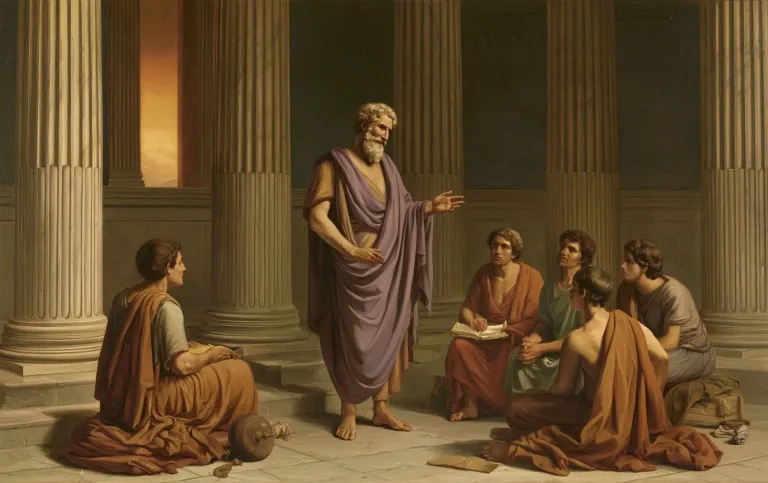
Stop Debating, Be It
Marcus Aurelius on being good instead of talking about it
In 176 Marcus Aurelius paid teachers for the four schools of philosophy in Athens, at a time when, Dio says, many pretended to study it for profit. In his own notebook he told himself to stop talking about what a good man should be, and be one. His days in court, up to eleven or twelve on a single case, showed what he meant.
Nobody needs your theory of a good person; they need the person. Practical advice: pick one virtue you talk about, and practice it once today without mentioning it.

Don’t Get Dyed Purple
Marcus Aurelius on not letting power change you
Marcus Aurelius was appalled, one ancient life says, when he was set on the path to the throne in 138. As emperor he warned himself not to be dyed purple, the emperor’s color, and to stay simple, just and kind. In 169, rather than raise taxes for the wars, he auctioned palace treasures for two months.
Wear the title, but don’t soak in it. Practical advice: after a promotion, keep one old habit that has nothing to do with rank.

Look Down From Above
Marcus Aurelius on seeing your worries from a height
In 176, Marcus Aurelius came home to cheering crowds in Rome after nearly eight years away. His notebook told him to look down on such crowds from above: voyages, births, deaths, and praise that soon turns to blame. He pictured the age of Vespasian, full of weddings, plots and feasts, and all of it gone.
Seen from high enough, a worry shrinks back to its true size. Practical advice: when one problem fills your night, picture your street, then your city, then the world.
Other people.
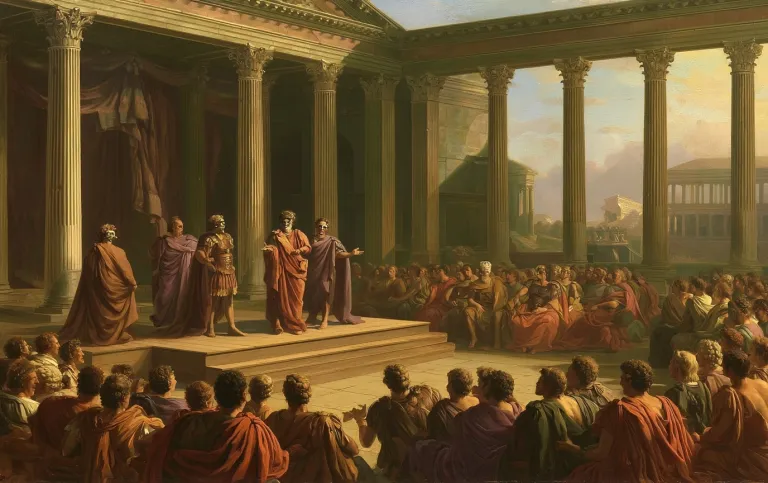
Expect the Shameless
Marcus Aurelius on dealing with people who behave badly
In 161, when a playwright mocked the new emperors, Marcus Aurelius let him be. Later his notebook told him that when shameless behavior offends you, ask whether a world without shameless people is possible. It is not, so do not demand it. Ask what strength answers it, such as mildness, and expect no thanks for kindness.
Don’t ask why people like this exist; ask what this one calls for from you. Practical advice: before you react to rudeness, name your best response, then give only that.

Don’t Become What Hurt You
Marcus Aurelius on the best kind of revenge
In 175, the general Avidius Cassius rebelled against Marcus Aurelius on a false report of his death. Dio says Marcus hoped to forgive him. When Cassius was killed, Marcus would not look at his head and asked the Senate to spare the rebels. His notebook says the best revenge is not to become like the one who wronged you.
Hit back in kind, and they win twice: once with the hurt, once with who you became. Practical advice: when you want revenge, wait a day before you answer.

List Who Made You
Marcus Aurelius on naming what you owe to each person
Marcus Aurelius opened his notebook with a list, written in an army camp among the Quadi on the Granua river. One by one he named what he owed each person: a calm temper from his grandfather, a simple life from his mother, a gentle way of correcting people from a grammar teacher, and pages of lessons from his adoptive father.
You are partly made of other people, and it is worth knowing whose. Practical advice: write one line for each person who shaped you, and send one of them theirs.
Kindness Can’t Be Beaten
Marcus Aurelius on why sincere kindness is hard to defeat
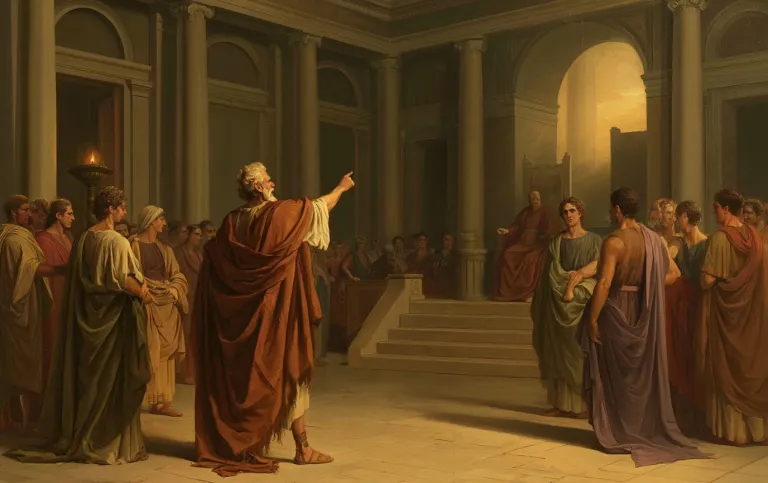
In 174 at Sirmium, Herodes Atticus, once Marcus Aurelius’s teacher, insulted the emperor to his face at his own trial. Philostratus says Marcus never frowned, heard the case out, punished as mildly as he could, and later wrote to Herodes as a friend. His notebook says a kind spirit cannot be beaten, if it is sincere and not a show.
Real kindness is hard to fight, because it refuses to fight back. Practical advice: answer anger calmly, and make your point later, in private.
More classics, explained.
 1513The PrinceThe quiet manual of power, from the man who wrote it.
 about the 5th century BCThe Art of WarThe oldest book on strategy, for every kind of conflict.
 about 62 to 65 ADLetters from a StoicA retired statesman’s letters to a friend, on living well.
 about the 4th century BCTao Te ChingEighty-one short verses on doing less and forcing nothing.
 gathered 3rd century BCThe DhammapadaThe Buddha’s sayings in verse, on taming your own mind.
Read Meditations a minute at a time.
Every idea starts with the real story, then shows where it lives in your week.
Download on theApp StoreEvery idea is drawn from the public-domain text, and its names, dates and quotes are checked against the sources listed with it. The paintings are made for Counsel; they show the scene, not a historical record.
