The Dhammapada, explained.
The Buddha’s sayings in verse, on taming your own mind. The Buddha’s book in 12 ideas and 3 parts, each told through a real story and what it means for your own week.
In Counsel for iPhone.

Your own mind.
Your Thoughts Go First
The Dhammapada on why the mind goes first
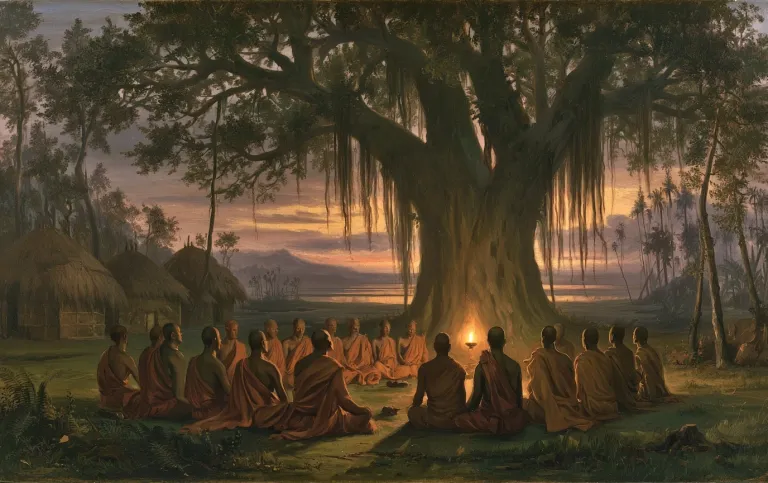
The Dhammapada, sayings credited to the Buddha, opens with the mind. In Müller’s words, all that we are is the result of what we have thought. Act from a bad thought and pain follows, like the wheel behind the ox; act from a pure one and happiness follows like a shadow. A later commentary tells of a blind monk who crushed insects he never saw, and was judged by what he meant.
The thought you walk in with shapes what happens next. Practical advice: before a hard visit, name the story you expect, then set it down.
Stop Feeding the Grudge
The Dhammapada on why a grudge lasts as long as you replay it
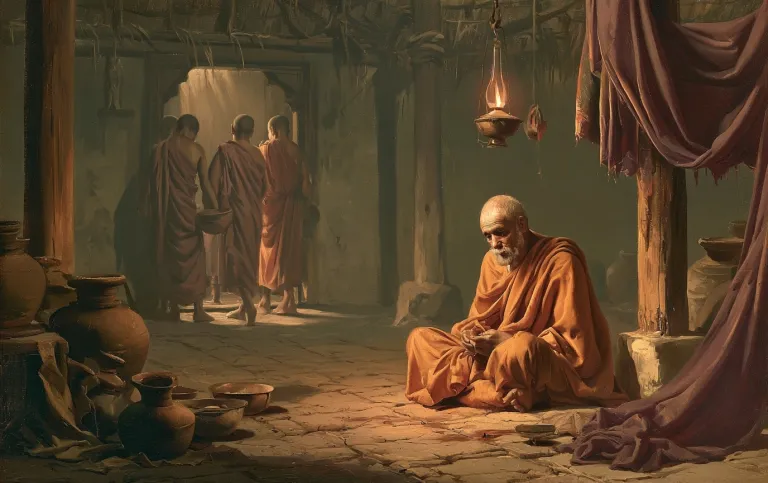
A later commentary tells of Tissa, a monk who felt insulted and would not ask pardon. The Dhammapada answers with a grudge’s own words: he abused me, he beat me, he defeated me, he robbed me. Hold such thoughts and hatred never ends; only love ends it. In 1951, Ceylon’s J. R. Jayewardene quoted that verse as he gave up any claim on Japan.
A grudge lives only as long as you keep repeating it. Practical advice: when the old insult starts its replay, name it, and turn to something else.

Bring Your Mind Back
The Dhammapada on taming a mind that won’t sit still
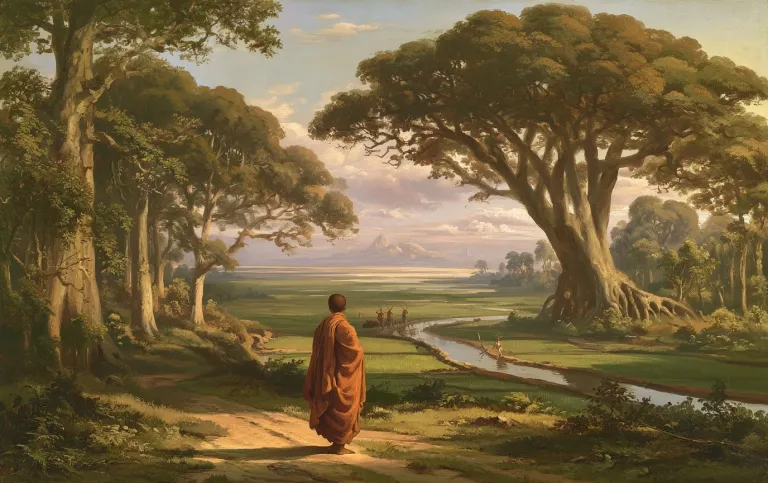
An old Buddhist text tells of Meghiya, a monk who went to sit in a lovely mango grove and found his mind would not settle. The Dhammapada pictures thought as a fish thrown on dry ground, trembling all over, and says a tamed mind brings happiness. In 2010, a Harvard study found minds wander almost half the time, and people are less happy when they do.
A wandering mind is normal; bringing it back is the skill. Practical advice: pick one task, and each time your mind drifts, return to it.

The One Battle Worth Winning
The Dhammapada on why mastering yourself beats beating others
In the Buddha’s day, the kingdoms of the Ganges plain fought for land. The Dhammapada’s verse 103 keeps a different score: beat a million men in battle, and the one who conquers himself is still the greater. Not even a god, it adds, can turn that victory into defeat. Around 261 BC, after conquering Kalinga, the emperor Ashoka had his remorse carved in stone.
Beating your own temper is the one win no one can take from you. Practical advice: when anger rises, take one slow breath before you say anything.
Small, steady steps.

Drop by Drop
The Dhammapada on how small acts fill a life
A later commentary on the Dhammapada tells of a monk who left the monastery’s beds and chairs out in the rain, calling it a slight fault. Verses 121 and 122 answer that a water pot fills drop by drop, and so does a life. Anthony Trollope lived both sides: a £12 bill that grew past £200, and 250 words a quarter hour that became 47 novels.
Nobody sees one drop, but everyone sees the full pot. Practical advice: pick one small good thing to do every day, and one small harm to stop excusing.
Shape Yourself Like Wood
The Dhammapada on working on yourself the way a craftsman works wood
A later commentary on the Dhammapada tells of a seven-year-old novice who watched farmers steer water, arrow makers straighten reeds and carpenters shape wheels, then turned the lesson on his own mind. Verses 80 and 145 say the wise fashion themselves. Frederick Douglass, enslaved and forbidden lessons, taught himself to write from the letters ship carpenters marked on timber.
Nobody is born finished: you are the timber and the carpenter. Practical advice: pick one habit to bend, and work on it a little every day.
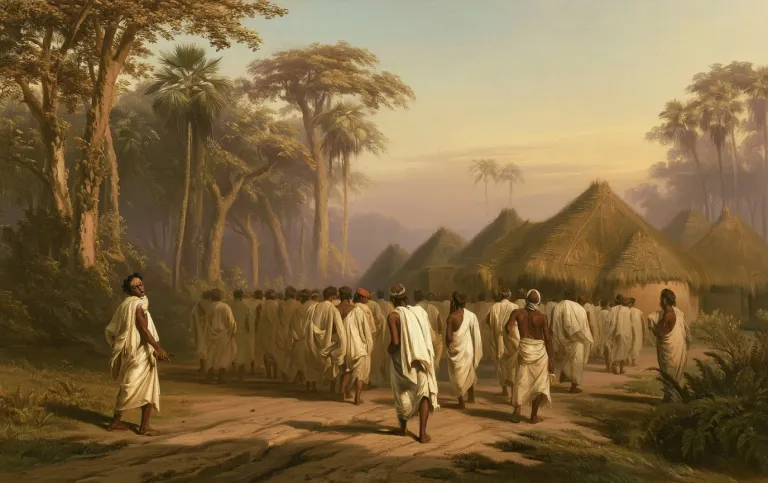
Let Praise and Blame Blow By
The Dhammapada on staying steady when people praise or blame you
In a later commentary on the Dhammapada, a man named Atula grumbles at one teacher for saying nothing, one for saying too much and one for saying too little. The verses answer that no one is ever only praised or only blamed, and that the wise stand like rock in the wind. At Gettysburg in 1863, Lincoln’s two-minute speech was called both a gem and silly.
Praise and blame are weather; you are the rock. Practical advice: weigh the words of the few people whose judgment you trust, and let the rest pass.

Stand on Your Own Ground
The Dhammapada on being your own refuge
In an old account of his last year, the Buddha, ill at about 80, told Ananda to be an island and a refuge to himself. Dhammapada verses 160 and 165 say the self is its own protector, and no one can make another pure. In 1929, Jiddu Krishnamurti shut down the order built around him, saying each person had to find the truth alone.
Others can drive you to the door, but only you can walk in. Practical advice: take help gladly, then do the part that only you can do.
Other people.
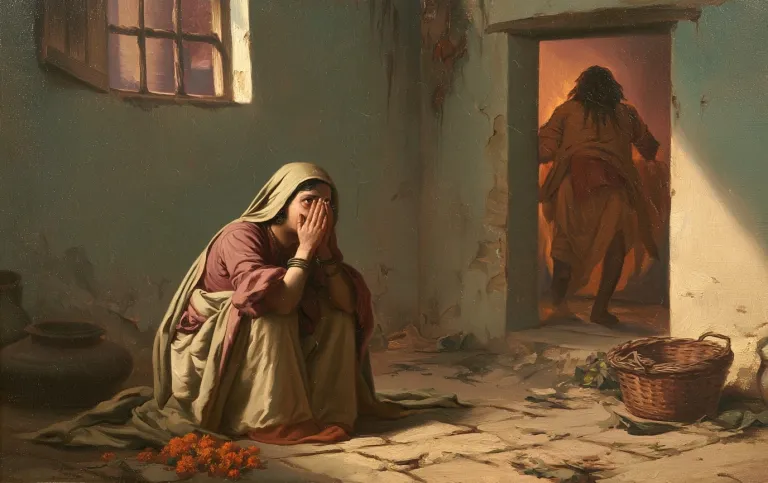
Turn the Lens Around
The Dhammapada on seeing your own faults first
A later commentary on the Dhammapada tells of a woman in Savatthi so upset by a holy man’s insults that she could not listen. The verse that follows says to watch what you have done and left undone, not what others did. In 1919, after riots broke out in his protest, Gandhi named his own mistake first. He held that you should look at your own mistakes through a magnifying lens.
Other people’s faults are easy to see; start with your own, the only ones you can fix. Practical advice: when something goes wrong, say your own part first.

Criticism Is a Treasure Map
The Dhammapada on welcoming the person who corrects you
A later commentary on the Dhammapada tells of Radha, a poor man whom the monk Sariputta took on and corrected often, and who never took offense. Verse 76 says to treat someone who corrects you like one who shows you hidden treasure. In China, Emperor Taizong spared his brother’s adviser Wei Zheng, thanked him for more than 200 objections, and called him a mirror.
Whoever points out your fault is showing you where the treasure is. Practical advice: when someone corrects you, say thank you before anything else.

One Word That Brings Peace
The Dhammapada on why a few true words beat a thousand empty ones
A later commentary on the Dhammapada tells of Bahiya, who begged three times to be taught and was answered in a few lines, in the street. The verses say one word of sense, which quiets the one who hears it, beats a thousand empty words. In 1968, Robert Kennedy took about five minutes to tell a crowd in Indianapolis of Martin Luther King’s death. The city stayed calm.
A thousand words show what you know; one right word shows you care. Practical advice: when someone is upset, say one true, kind sentence, then stop.
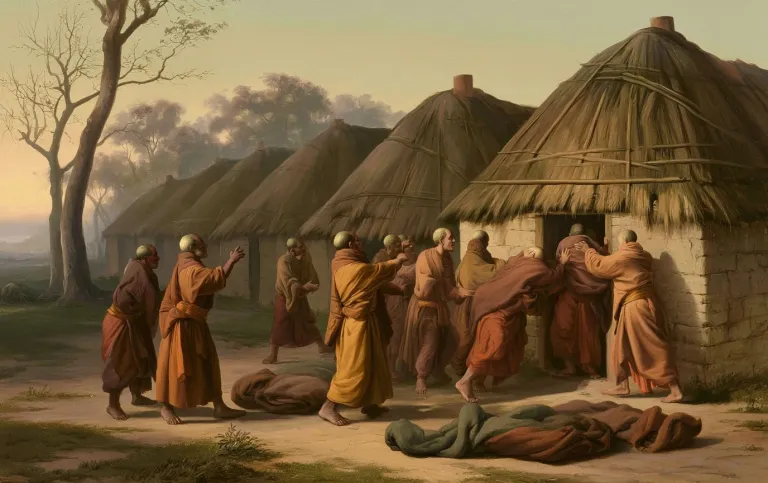
Everyone Flinches the Same
The Dhammapada on remembering that others fear harm just as you do
A later commentary on the Dhammapada sets verses 129 and 130 after a fight over a room, when six monks beat seventeen younger ones. Everyone trembles at punishment, the verses say, and everyone loves life: remember that you are like them, and do no harm. In 1937, George Orwell held his fire at an enemy soldier holding up his trousers, a fellow creature like him.
Everyone fears harm the way you do; let that stop your hand. Practical advice: before you scold anyone, picture yourself in their place.
More classics, explained.
 1513The PrinceThe quiet manual of power, from the man who wrote it.
 about 175 ADMeditationsAn emperor’s private notes to himself, on staying steady.
 about the 5th century BCThe Art of WarThe oldest book on strategy, for every kind of conflict.
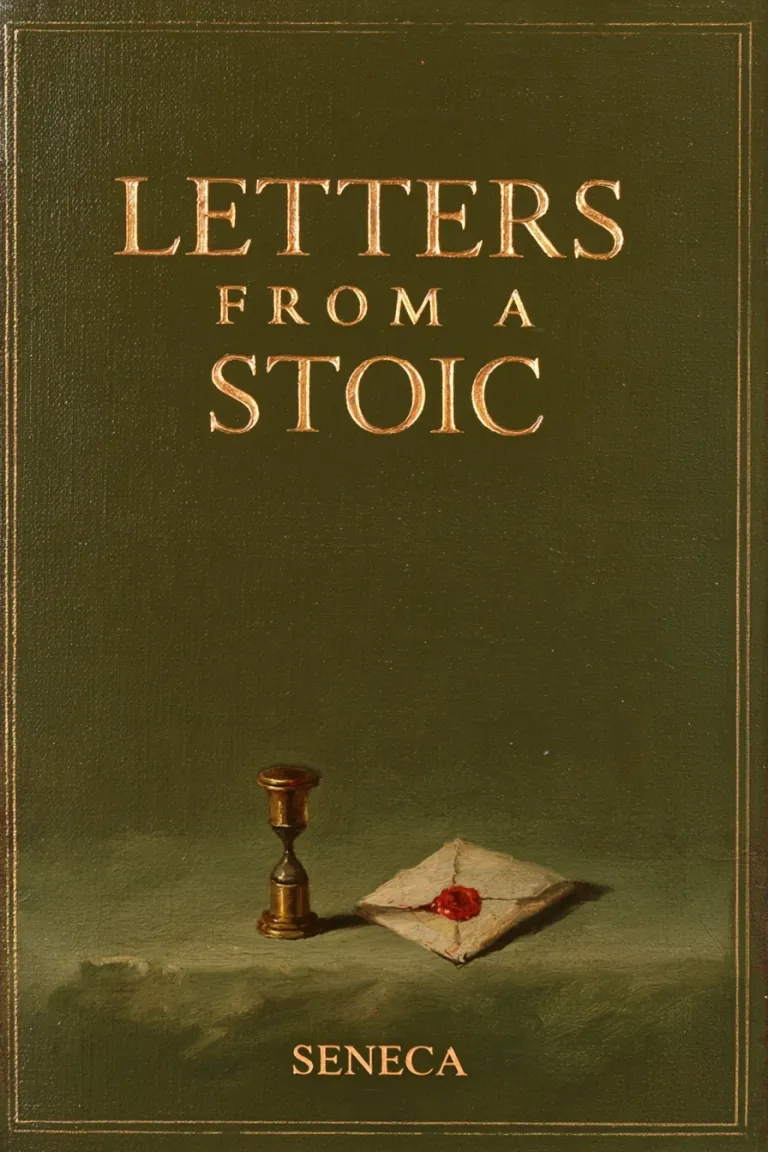 about 62 to 65 ADLetters from a StoicA retired statesman’s letters to a friend, on living well.
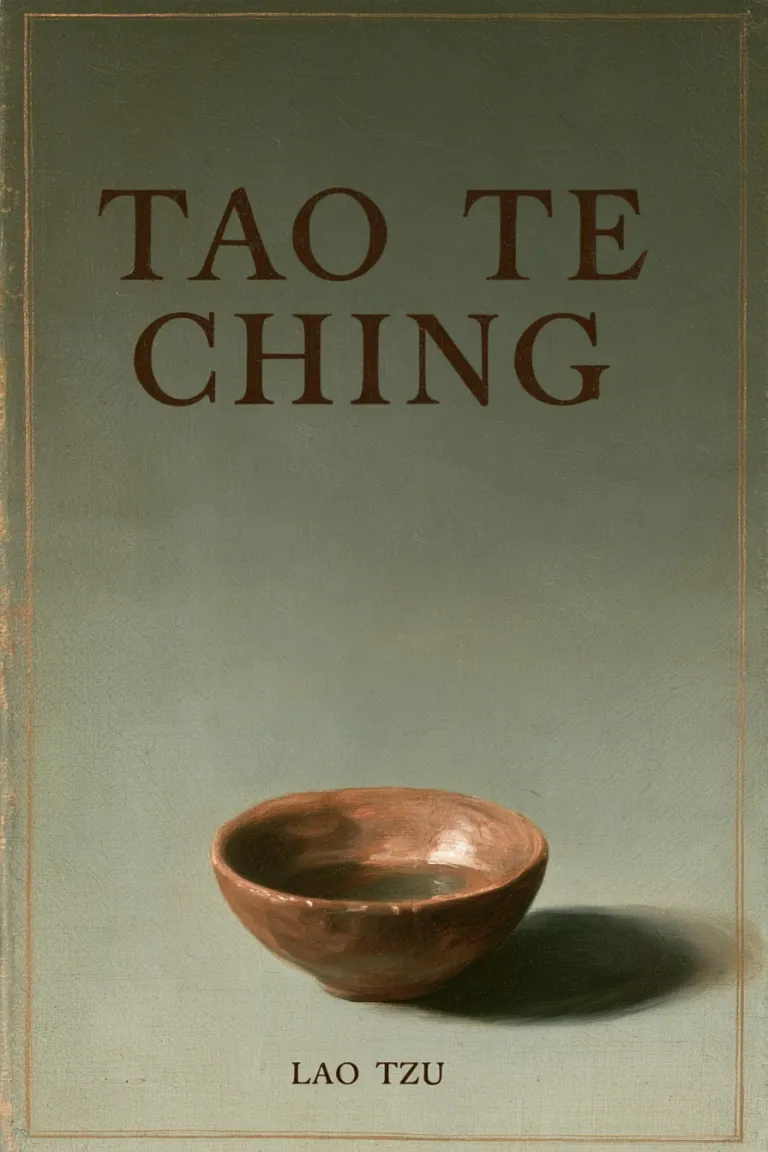 about the 4th century BCTao Te ChingEighty-one short verses on doing less and forcing nothing.
Read The Dhammapada a minute at a time.
Every idea starts with the real story, then shows where it lives in your week.
Download on theApp StoreEvery idea is drawn from the public-domain text, and its names, dates and quotes are checked against the sources listed with it. The paintings are made for Counsel; they show the scene, not a historical record.
