The Dhammapada · Part 3, Other people · Idea 9 of 12

Turn the Lens Around

The Dhammapada on seeing your own faults first. From The Dhammapada by the Buddha, gathered 3rd century BC.

Download on theApp Store
The whole story is in Counsel.
About a minute.
A painting for Turn the Lens Around

Where it comes from.

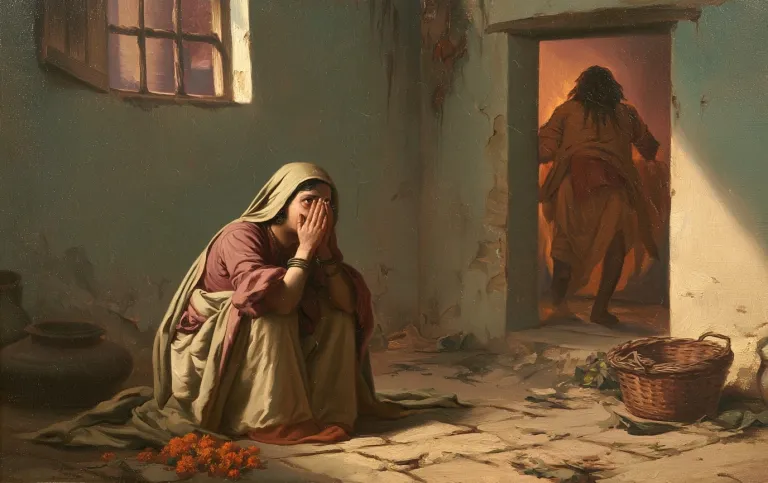
A later commentary tells of a woman in Savatthi, in north India, who invited the Buddha to her house for a meal. A wandering holy man she had long fed like a son, Pathika, hid in the back room.

When he heard her praise the talk, he burst out, insulted them both and ran off. She was too upset to follow another word.
3 more screens in the appThe rest of the story, and where it turns up in your own week.
The idea in short

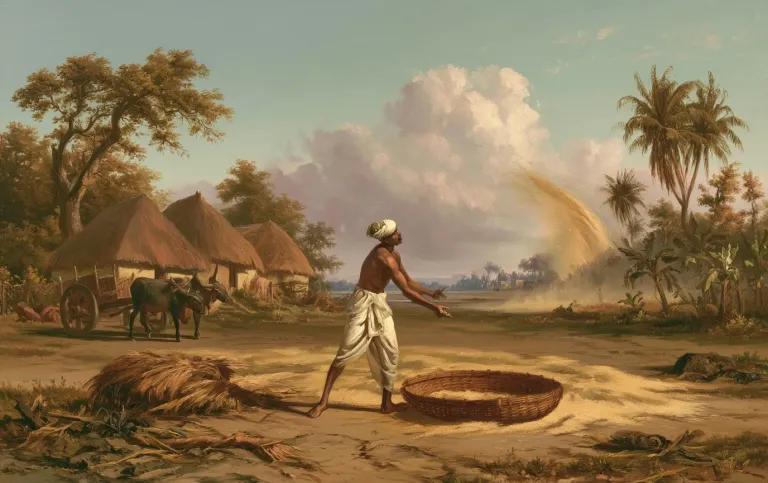
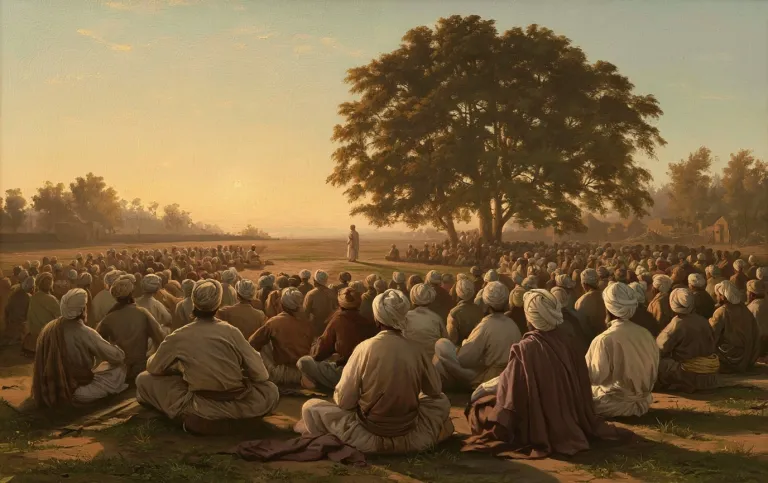
A later commentary on the Dhammapada tells of a woman in Savatthi so upset by a holy man’s insults that she could not listen. The verse that follows says to watch what you have done and left undone, not what others did. In 1919, after riots broke out in his protest, Gandhi named his own mistake first. He held that you should look at your own mistakes through a magnifying lens.

Other people’s faults are easy to see; start with your own, the only ones you can fix. Practical advice: when something goes wrong, say your own part first.

Well established · checked against 7 sources

Make it yours.

Make it your step

After the next thing that goes wrong, write down your own part first.

Ask your council

“When things go wrong at home, I only see what everyone else did. How do I see my part?”

Practice the talk

Apologize after a big fight, with a mentor playing the other person. →

Sources.

  1. The Dhammapada, translated by F. Max Müller (Sacred Books of the East, vol. 10), Sayings of the Buddha (Project Gutenberg), 1881The text
  2. Buddhist Legends, translated from the Dhammapada commentary by Eugene Watson Burlingame (Harvard Oriental Series 28 to 30): IV.6, Pathika the Naked Ascetic, Dhammapada commentary (Ancient Buddhist Texts), 1921The text
  3. Buddhist Legends, Introduction (section 8: date of the Dhammapada commentary), Eugene Watson Burlingame (Ancient Buddhist Texts), 1921
  4. Dhammapada, Wikipedia, 2026
  5. An Autobiography, or The Story of My Experiments with Truth, part 5, chapters 32 and 33, translated by Mahadev Desai, M. K. Gandhi (Standard Ebooks), 1927The text
  6. Chronology of Gandhi’s life, 1915 to 1919, Gandhi Book Centre (mkgandhi-sarvodaya.org), 2026
  7. Rowlatt Act, Wikipedia, 2026

The Dhammapada, in 12 ideas.

  1. 1
    Your Thoughts Go FirstThe Dhammapada on why the mind goes first
  2. 2
    Stop Feeding the GrudgeThe Dhammapada on why a grudge lasts as long as you replay it
  3. 3
    Bring Your Mind BackThe Dhammapada on taming a mind that won’t sit still
  4. 4
    The One Battle Worth WinningThe Dhammapada on why mastering yourself beats beating others
  5. 5
    Drop by DropThe Dhammapada on how small acts fill a life
  6. 6
    Shape Yourself Like WoodThe Dhammapada on working on yourself the way a craftsman works wood
  7. 7
    Let Praise and Blame Blow ByThe Dhammapada on staying steady when people praise or blame you
  8. 8
    Stand on Your Own GroundThe Dhammapada on being your own refuge
  9. 9
    Turn the Lens AroundThe Dhammapada on seeing your own faults first
  10. 10
    Criticism Is a Treasure MapThe Dhammapada on welcoming the person who corrects you
  11. 11
    One Word That Brings PeaceThe Dhammapada on why a few true words beat a thousand empty ones
  12. 12
    Everyone Flinches the SameThe Dhammapada on remembering that others fear harm just as you do
Tonight’s read is free

Read the rest in Counsel.

Turn the Lens Around and the other 11 ideas of The Dhammapada, a minute at a time.

Download on theApp Store

Every idea is drawn from the public-domain text, and its names, dates and quotes are checked against the sources listed with it. The paintings are made for Counsel; they show the scene, not a historical record.

CounselTonight’s read is freeGet