The Art of War, explained.
The oldest book on strategy, for every kind of conflict. Sun Tzu’s book in 12 ideas and 3 parts, each told through a real story and what it means for your own week.
In Counsel for iPhone.

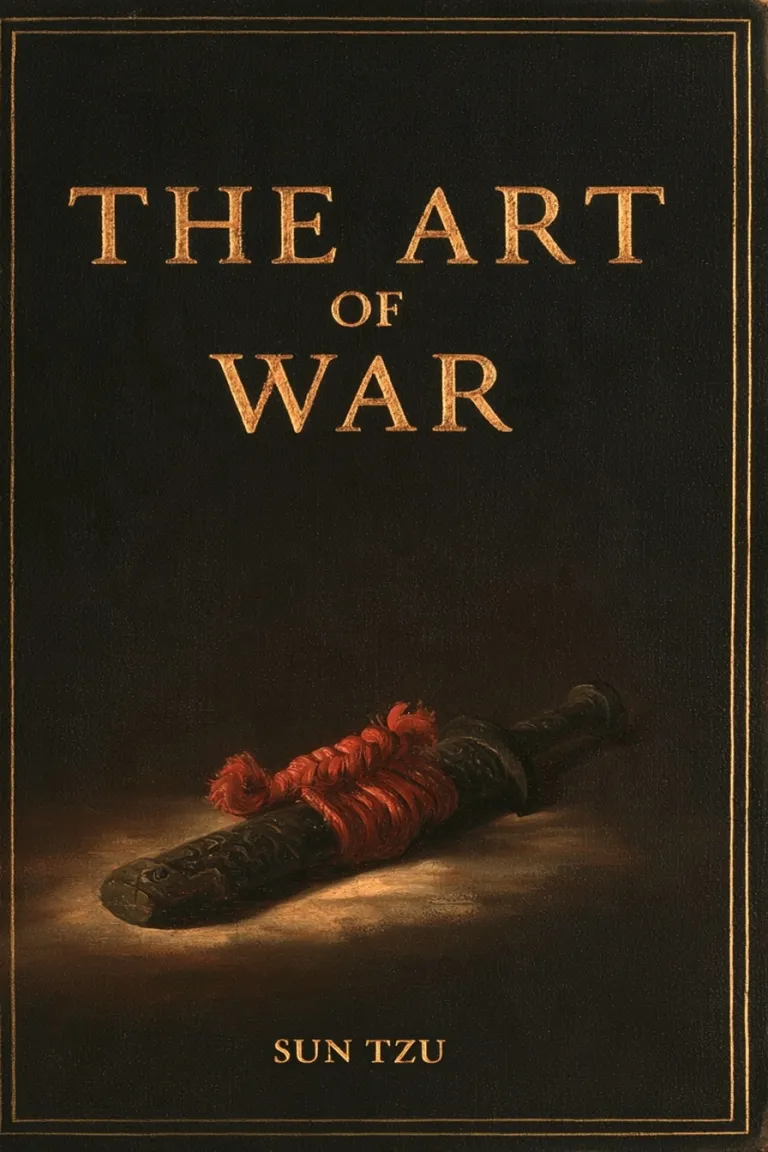
Before the fight.
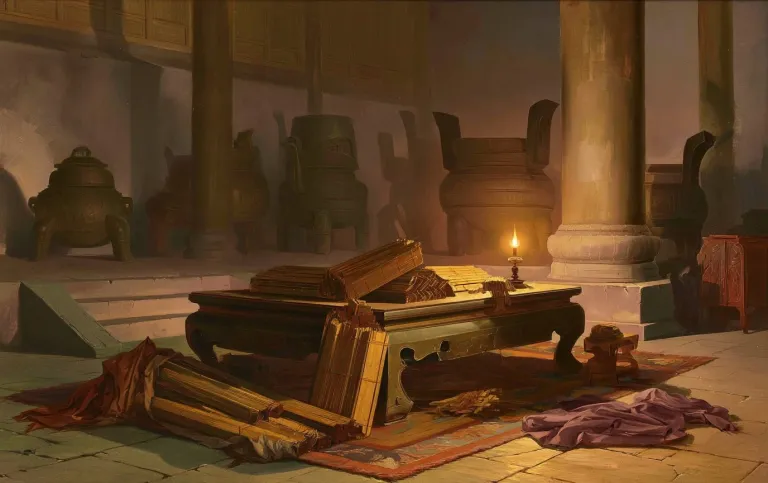
Count Before You Commit
Sun Tzu on weighing both sides before a fight
The Art of War, credited to Sun Tzu, says the winning general makes many calculations in the temple before the battle. He weighs rulers, generals, weather, ground, discipline and training on both sides. In 1944, the Allied weather count found a one-day gap that German forecasters missed, and the Normandy landing went ahead on June 6.
The side that counts more usually wins before the fight begins. Practical advice: before a big ask, write down what each side needs and what each could walk away to.
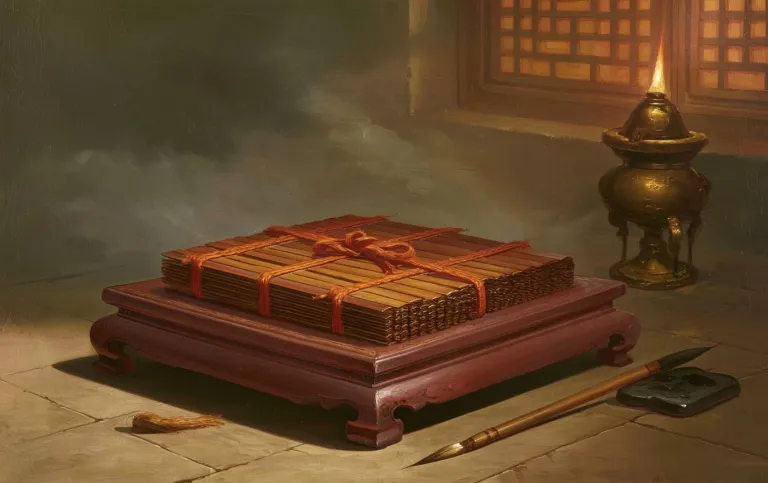
Know Them, Know Yourself
Sun Tzu on knowing your rival and yourself
The Art of War says that if you know the enemy and know yourself, you need not fear a hundred battles. Know only yourself, and every win comes with a loss. In the 340s BC, Sun Bin knew his rival despised Qi’s soldiers. He faked desertion with fewer cooking fires and drew him into an ambush at Maling.
Know what they fear and where you slip, and you need not fear the meeting. Practical advice: before a hard talk, write down their worry and your own weak spot.
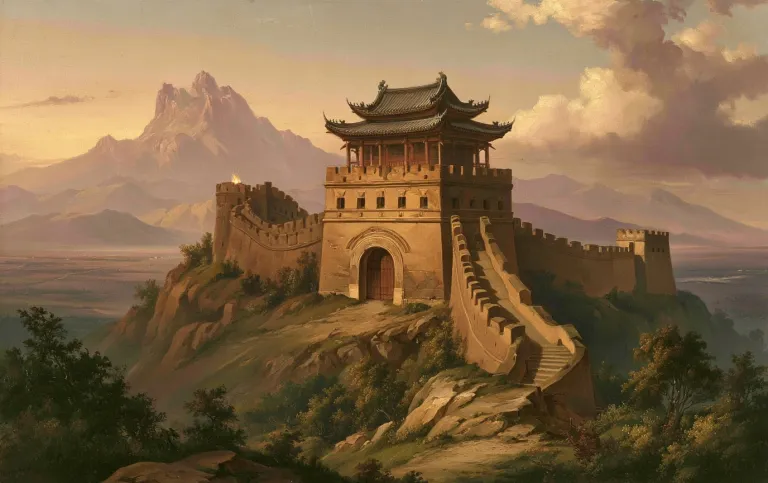
First, Don’t Lose
Sun Tzu on making yourself hard to beat before you try to win
In chapter 4 of The Art of War, the good fighters of old first made themselves impossible to defeat, then waited for the enemy to offer a chance. Not losing is in your hands; the chance to win comes from the other side. On Zhao’s northern border, Li Mu was mocked as a coward until his trap crushed the raiders.
Make yourself hard to beat, then wait for the opening. Practical advice: before you push for something big, fix the one weak spot that could sink you.
Win Without the Fight
Sun Tzu on why the best victory needs no battle
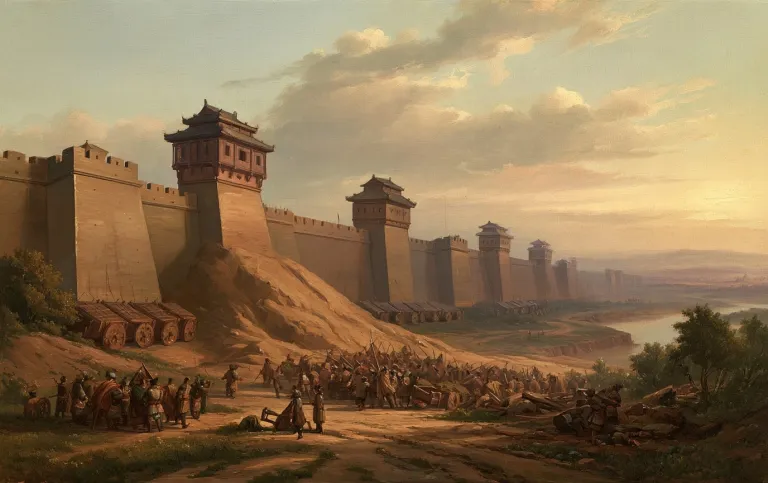
Chapter 3 of The Art of War ranks battle low. The best victory breaks the enemy’s resistance without fighting, and the worst is a siege. In 1948, the Soviet Union blockaded West Berlin. The United States and Britain flew supplies in for almost a year instead of forcing the roads, and in May 1949 the blockade was lifted without a battle.
The best win is the one where nobody has to fight. Practical advice: before a showdown, ask what the other side is counting on, and quietly take it away.
In the fight.
Long Fights Cost Everyone
Sun Tzu on why no one wins a drawn-out war
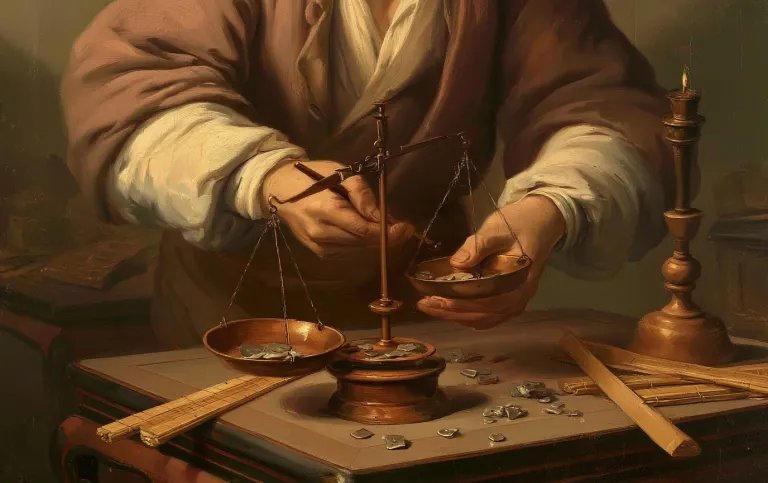
The Art of War opens its second chapter with the daily cost of an army, then warns that no country has ever gained from a long war. When strength and money run out, rivals rise. Wu, the state tradition links to the book, kept fighting far from home. In 482 BC Yue struck its capital, and by 473 BC Wu was gone.
An imperfect peace now beats a perfect win too late. Practical advice: set a date to settle a running dispute, and offer a fair way out of it.
Leave Them a Way Out
Sun Tzu on why a cornered rival fights hardest
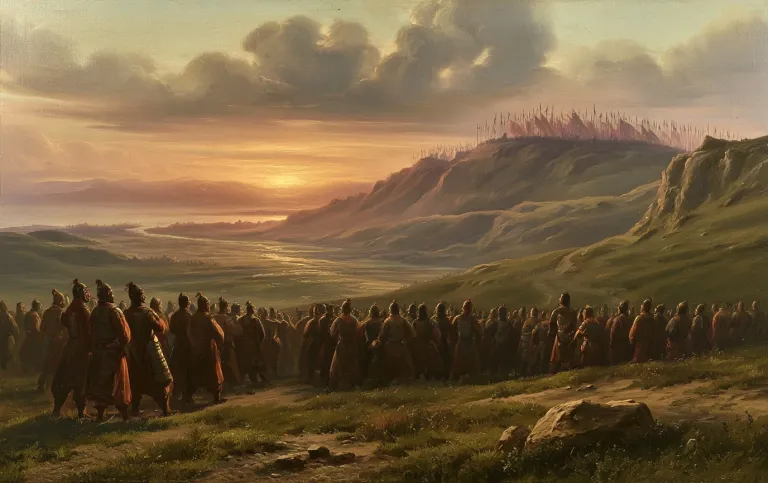
The Art of War tells generals to leave a surrounded army a way out and not to press a desperate enemy too hard, because trapped people fight hardest. In 1962, Kennedy gave Khrushchev a road back from the Cuban missile crisis, and he took it. The next June, Kennedy said nuclear powers must avoid forcing a rival to choose between humiliating retreat and war.
Win the point, then leave the other person a way out. Practical advice: when you have won an argument, offer a face-saving reason and move to the fix.
Push Where It Gives
Sun Tzu on putting your effort where resistance is weakest
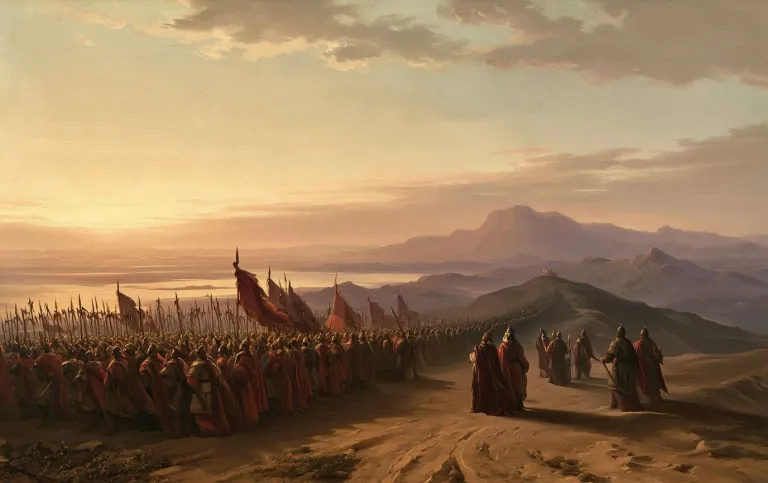
Chapter 6 of The Art of War says no one is strong everywhere, and the way is to avoid what is strong and strike at what is weak. In 354 BC, Wei besieged the capital of Zhao. Sun Bin of Qi marched on Wei’s own capital instead, left to the old and weak, and Wei, rushing home, was beaten at Guiling.
Don’t push harder on the strongest wall; find the part that gives. Practical advice: when one door is shut, list the smaller asks the other side can easily grant.
Quiet, Then Quick
Sun Tzu on patience first and speed when the moment comes
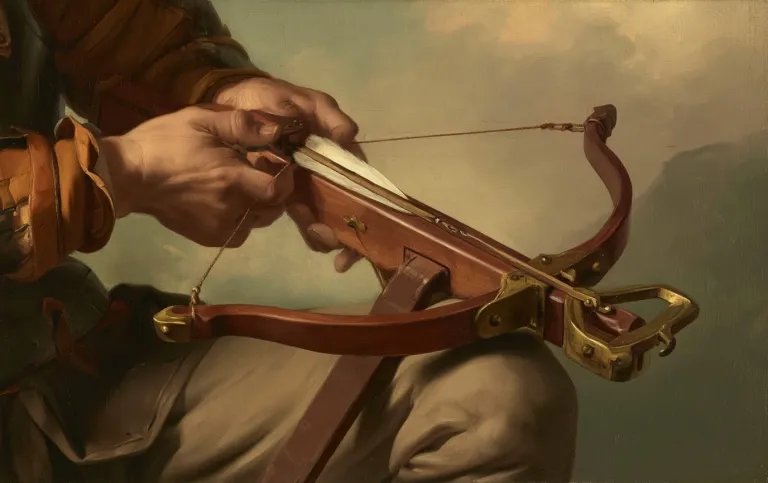
The Art of War pairs two speeds: the coyness of a maiden until the enemy gives an opening, then the speed of a running hare. In chapter 5, energy is a bent crossbow and decision is the trigger. At Austerlitz in 1805, Napoleon looked hesitant for days, then struck the allied center and broke their army in a single day.
Wait quietly for the opening, then move fast enough that no one can stop you. Practical advice: spend your first weeks somewhere new listening, then fix one real problem quickly.
Leading people.
Never Move in Anger
Sun Tzu on why anger is a bad reason to act
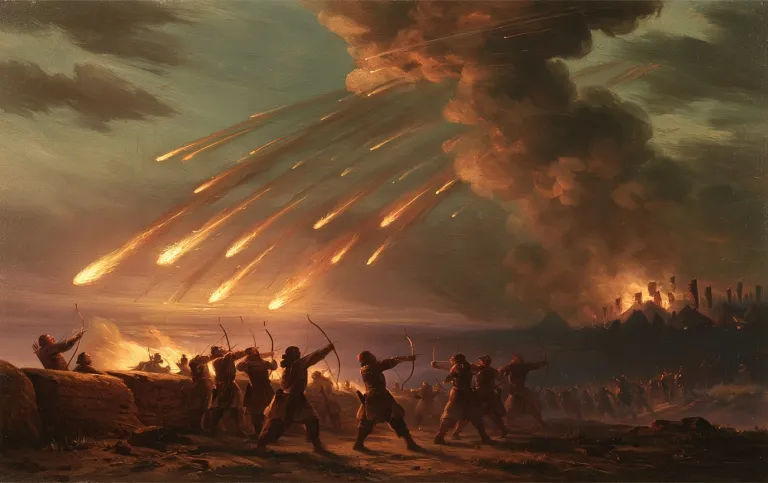
The Art of War ends its chapter on fire with a warning. No ruler should go to war to ease his temper, and no general should fight out of pique, because anger passes and a ruined kingdom does not return. After Sun Quan killed Guan Yu, Liu Bei refused peace in a rage. His army was burned out at Xiaoting in 222.
Anger passes; what you break while angry stays broken. Practical advice: write the angry message, then wait a full day before you send it or decide anything.
Kind, Not Soft
Sun Tzu on caring for your people without spoiling them
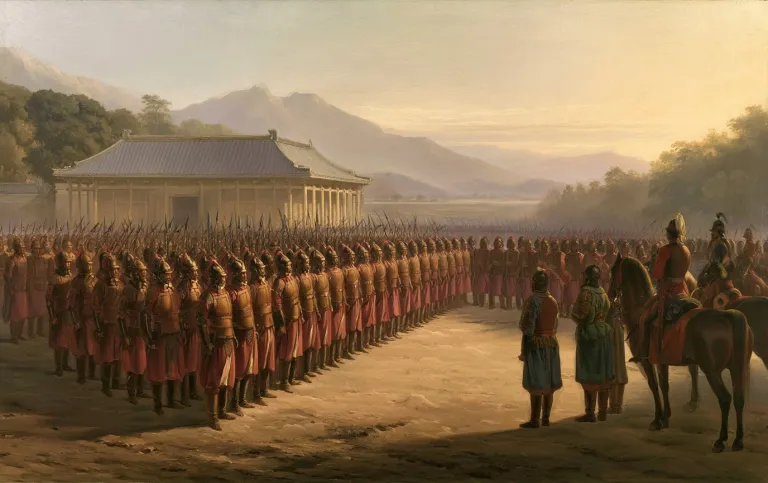
The Art of War says to treat your soldiers like your own children, and they will follow you into the deepest valleys. But a leader who is indulgent and cannot enforce orders raises spoiled children, useless when it counts. Around 400 BC, the general Wu Qi shared every hardship with his men, and they would die for him.
Care for your people like family, and still hold the line. Practical advice: pick one standard you have let slide, and restate it kindly and clearly.
The Five Ways Leaders Fall
Sun Tzu on the five faults that ruin a leader
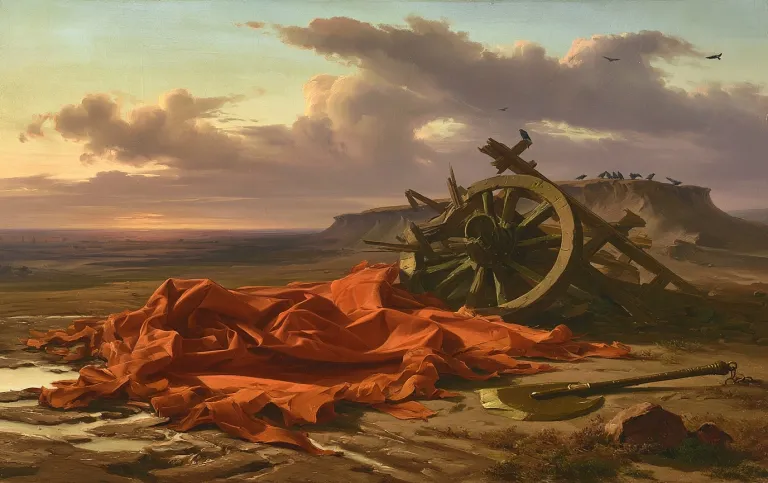
The Art of War names five faults that ruin a general: recklessness, cowardice, a hasty temper, pride that cannot bear slander, and too much worry for his men. Each is a strength pushed too far, and an enemy can pull on it. In 632 BC, Chu’s commander Ziyu fought to silence his critics, took Jin’s bait in anger, and lost at Chengpu.
Your best quality, pushed too far, is the handle others will pull. Practical advice: name your own handle, and decide now how you will answer when someone pulls it.

Ask the People Who Know
Sun Tzu on getting the truth from people, not guesses
The last chapter of The Art of War says knowledge of the enemy cannot come from spirits, old cases or calculation. It can only come from other people, the ones who know. Around 205 BC, Han Xin moved only after his spies confirmed the other side’s best advice had been ignored. Then he asked that same adviser how to win the rest, and won Yan with a letter.
The answer you need is usually in someone else’s head. Practical advice: before a big choice, find one person who has lived it, and ask them.
More classics, explained.
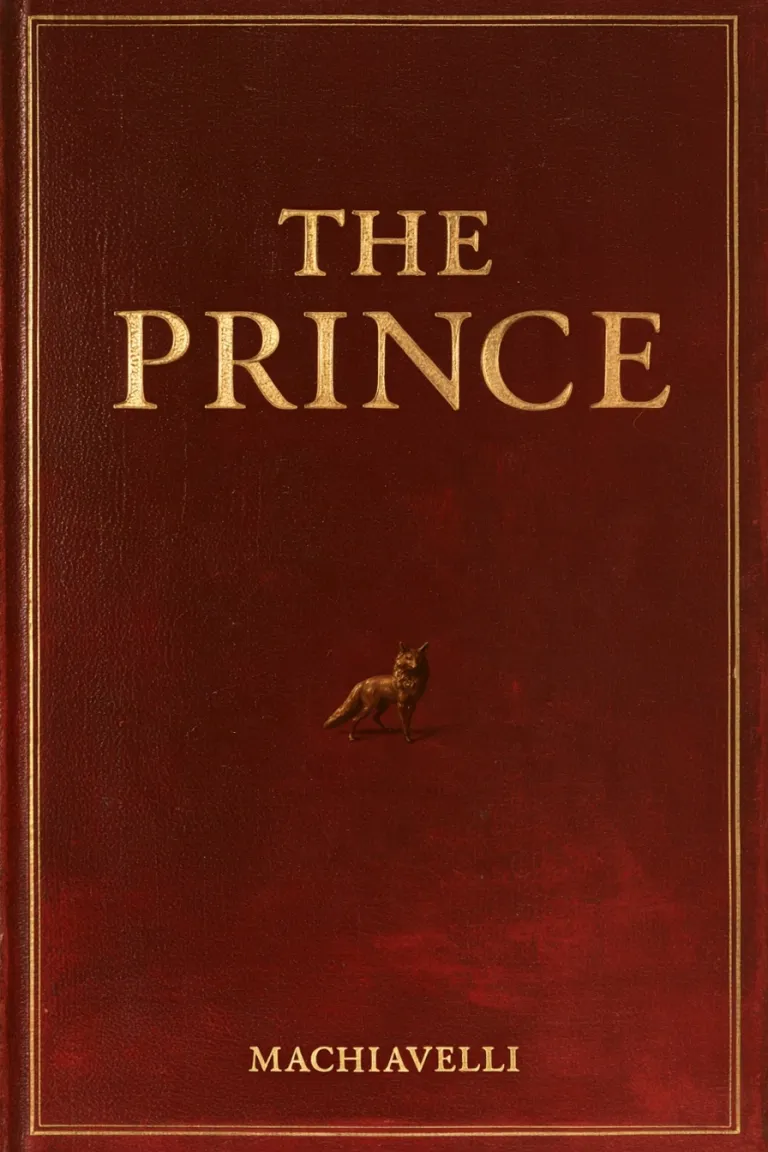 1513The PrinceThe quiet manual of power, from the man who wrote it.
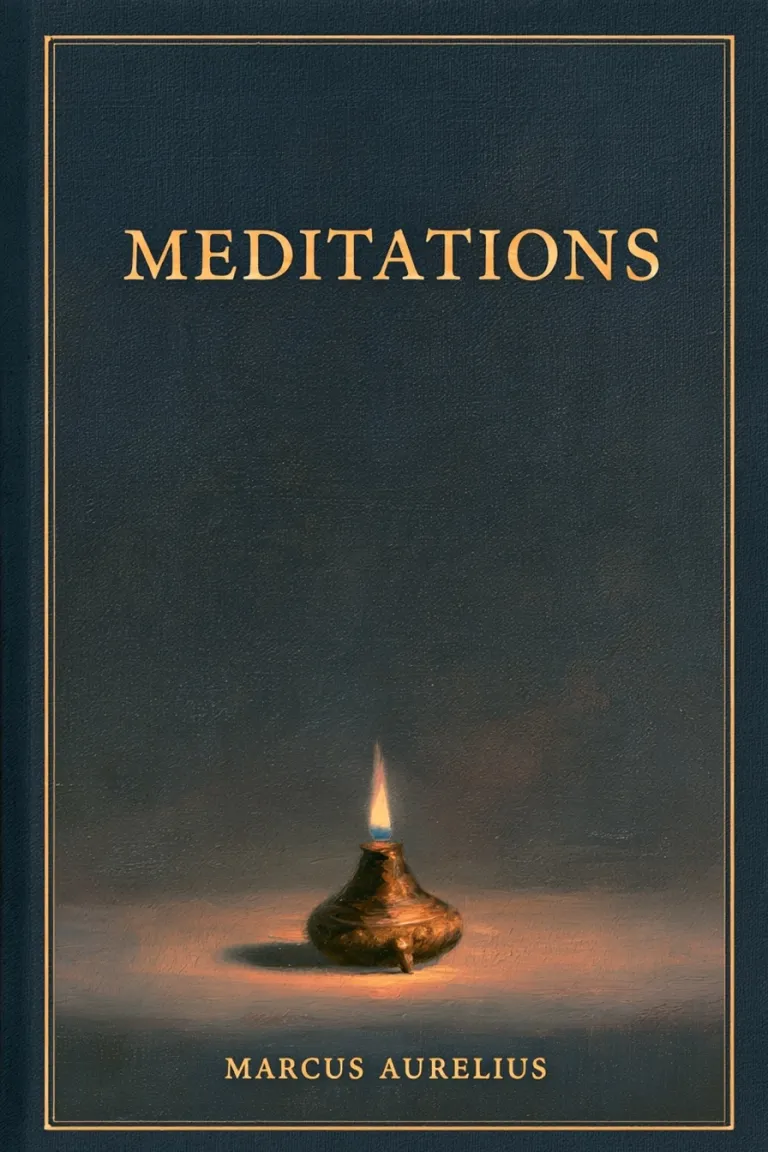 about 175 ADMeditationsAn emperor’s private notes to himself, on staying steady.
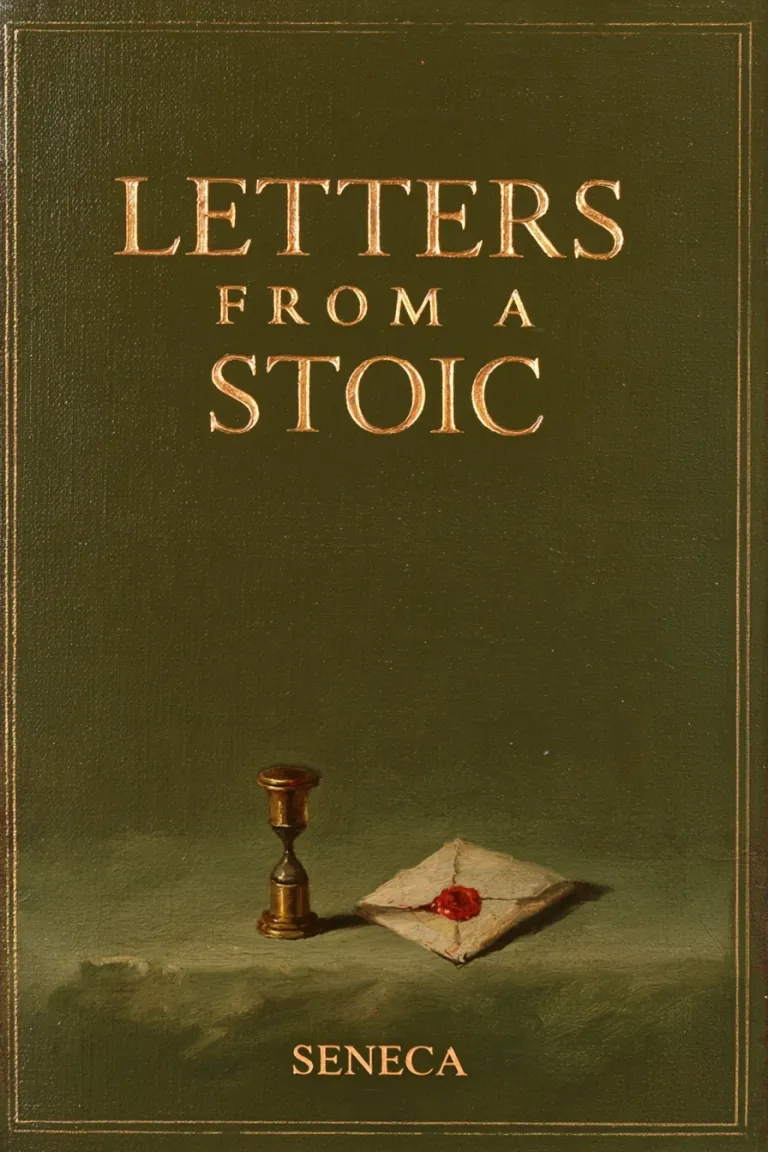 about 62 to 65 ADLetters from a StoicA retired statesman’s letters to a friend, on living well.
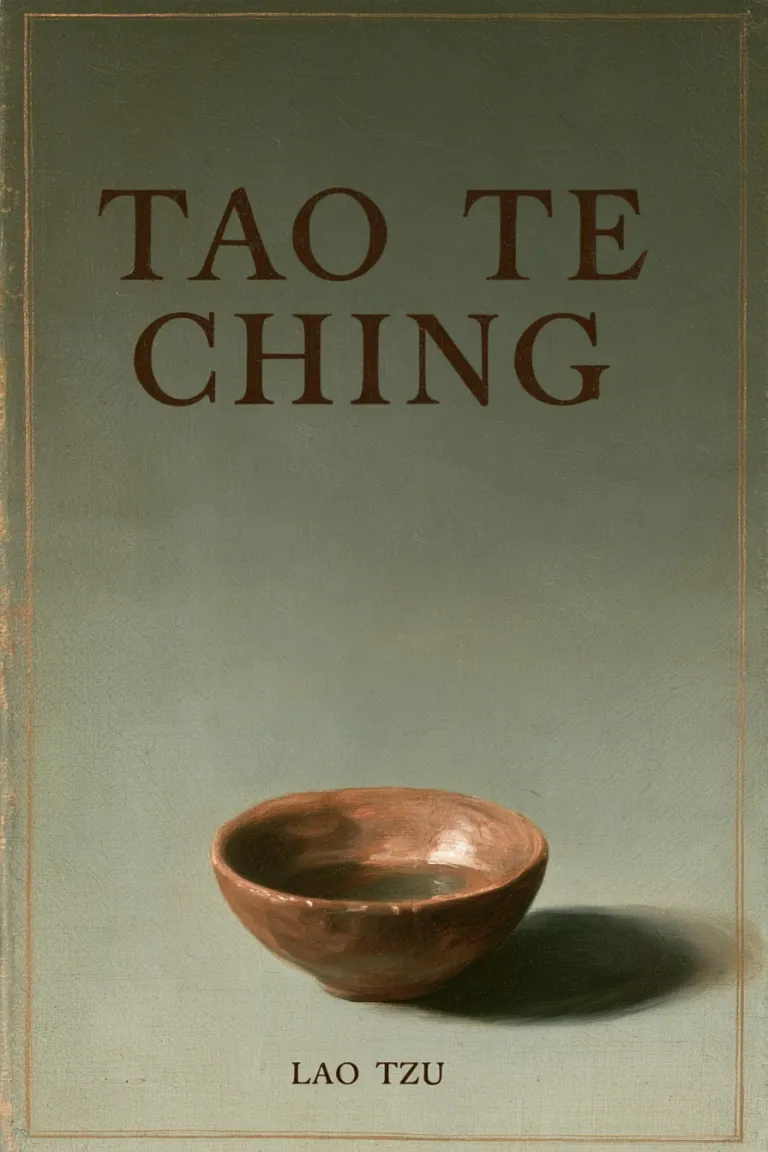 about the 4th century BCTao Te ChingEighty-one short verses on doing less and forcing nothing.
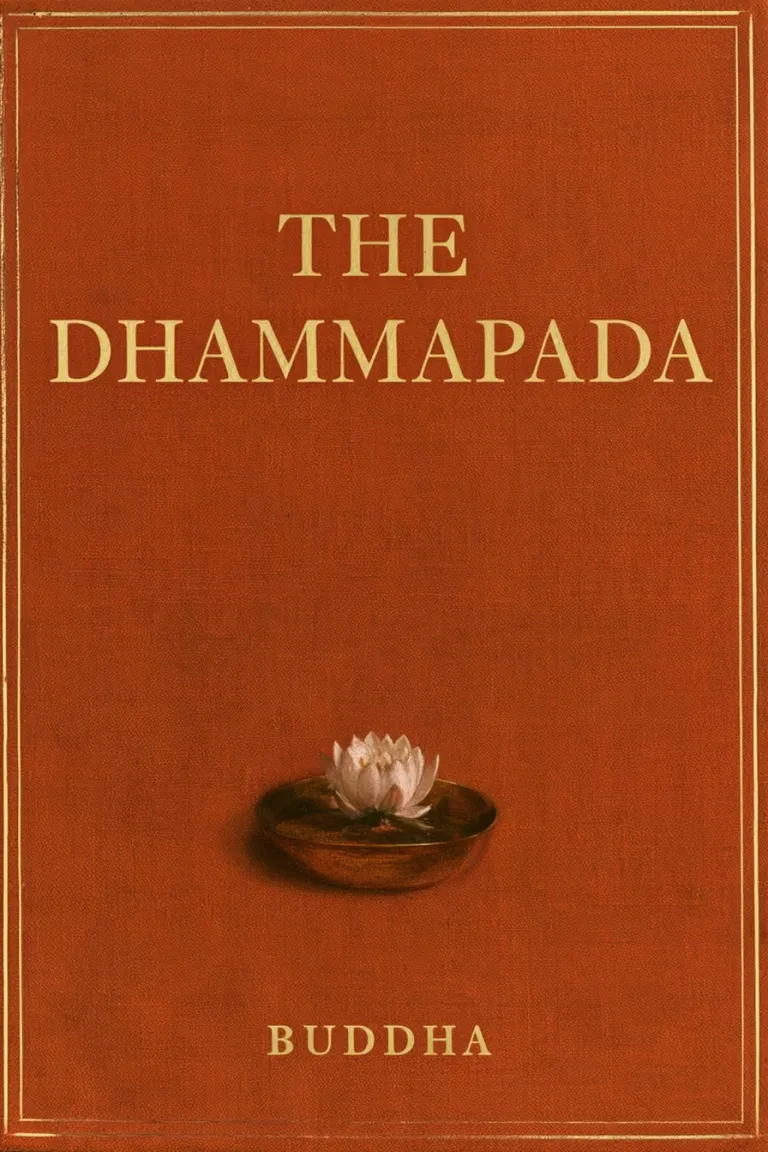 gathered 3rd century BCThe DhammapadaThe Buddha’s sayings in verse, on taming your own mind.
Read The Art of War a minute at a time.
Every idea starts with the real story, then shows where it lives in your week.
Download on theApp StoreEvery idea is drawn from the public-domain text, and its names, dates and quotes are checked against the sources listed with it. The paintings are made for Counsel; they show the scene, not a historical record.
