The Dhammapada · Part 2, Small, steady steps · Idea 7 of 12

Let Praise and Blame Blow By

The Dhammapada on staying steady when people praise or blame you. From The Dhammapada by the Buddha, gathered 3rd century BC.

Download on theApp Store
The whole story is in Counsel.
About a minute.
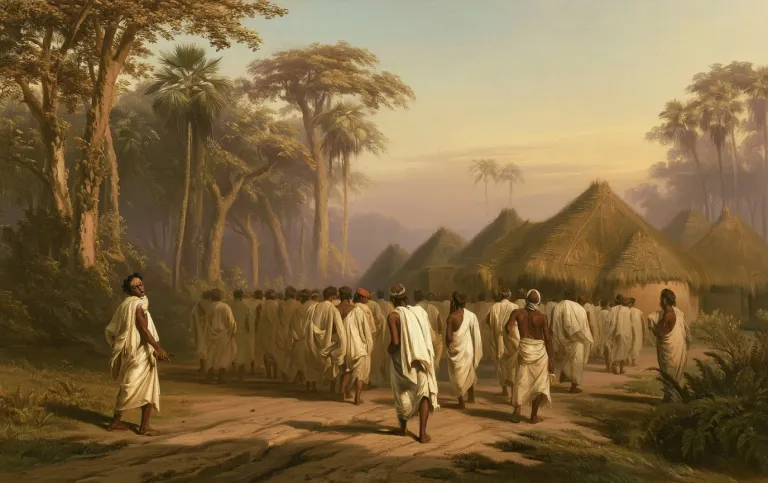
A painting for Let Praise and Blame Blow By

Where it comes from.

One verse of the Dhammapada speaks to a man by name: Atula. A commentary from around the 5th century AD tells his story. He brought a crowd of friends to the monastery at Shravasti to hear a teacher.

The first monk sat silent, and Atula left annoyed. The second spoke at length on hard points of doctrine: too much. The third, Ananda, kept it short and simple: too little.

3 more screens in the appThe rest of the story, and where it turns up in your own week.
The idea in short

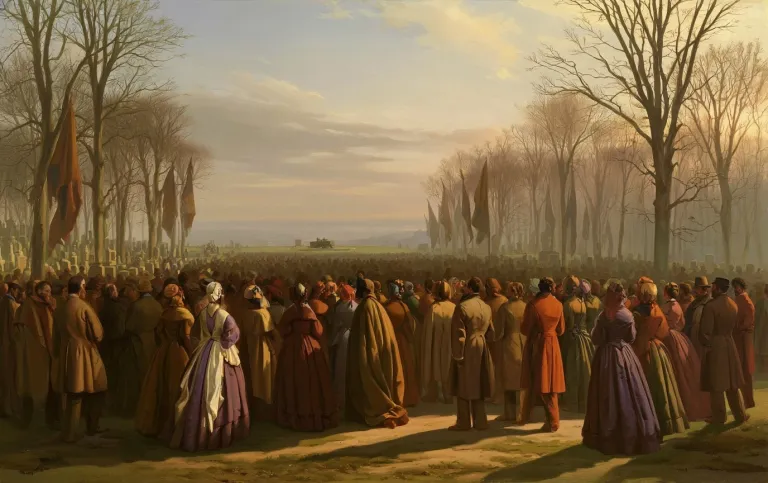
In a later commentary on the Dhammapada, a man named Atula grumbles at one teacher for saying nothing, one for saying too much and one for saying too little. The verses answer that no one is ever only praised or only blamed, and that the wise stand like rock in the wind. At Gettysburg in 1863, Lincoln’s two-minute speech was called both a gem and silly.

Praise and blame are weather; you are the rock. Practical advice: weigh the words of the few people whose judgment you trust, and let the rest pass.

Well established · checked against 10 sources

Make it yours.

Make it your step

Write down one recent criticism, and ask whether it came from someone wise.

Ask your council

“One bad comment at work ruins my week, even after lots of praise. How do I stay steady?”

Sources.

  1. The Dhammapada, translated by F. Max Müller (Sacred Books of the East, vol. 10), Sayings of the Buddha (Project Gutenberg), 1881The text
  2. Dhammapada, Wikipedia, 2026
  3. Dhammapada, Dhruba RC, World History Encyclopedia, 2016
  4. Dhamma Verses Commentary 17.7: The Story about the Lay Disciple Atula, translated by E. W. Burlingame (1921), revised by Ānandajoti Bhikkhu, Dhammapada Commentary (Ancient Buddhist Texts), 2024The text
  5. The Dhammapada: Verses and Stories, verses 227 to 230, translated by Daw Mya Tin, Burma Tipitaka Association (Tipitaka.net), 1986The text
  6. Gettysburg Address, Wikipedia, 2026
  7. The Gettysburg Address: Ideas are always more than battles (contemporary reactions), Cornell University Library, 2003
  8. Letter from Edward Everett to Abraham Lincoln (letterbook copy), 20 November 1863, Massachusetts Historical Society, 1863The text
  9. 150 Years Later, Newspaper Retracts Gettysburg Address Diss, NPR, 2013
  10. Doing the right thing: 150 years later, paper retracts editorial condemning Gettysburg Address as “silly”, Retraction Watch, 2013

The Dhammapada, in 12 ideas.

  1. 1
    Your Thoughts Go FirstThe Dhammapada on why the mind goes first
  2. 2
    Stop Feeding the GrudgeThe Dhammapada on why a grudge lasts as long as you replay it
  3. 3
    Bring Your Mind BackThe Dhammapada on taming a mind that won’t sit still
  4. 4
    The One Battle Worth WinningThe Dhammapada on why mastering yourself beats beating others
  5. 5
    Drop by DropThe Dhammapada on how small acts fill a life
  6. 6
    Shape Yourself Like WoodThe Dhammapada on working on yourself the way a craftsman works wood
  7. 7
    Let Praise and Blame Blow ByThe Dhammapada on staying steady when people praise or blame you
  8. 8
    Stand on Your Own GroundThe Dhammapada on being your own refuge
  9. 9
    Turn the Lens AroundThe Dhammapada on seeing your own faults first
  10. 10
    Criticism Is a Treasure MapThe Dhammapada on welcoming the person who corrects you
  11. 11
    One Word That Brings PeaceThe Dhammapada on why a few true words beat a thousand empty ones
  12. 12
    Everyone Flinches the SameThe Dhammapada on remembering that others fear harm just as you do
Tonight’s read is free

Read the rest in Counsel.

Let Praise and Blame Blow By and the other 11 ideas of The Dhammapada, a minute at a time.

Download on theApp Store

Every idea is drawn from the public-domain text, and its names, dates and quotes are checked against the sources listed with it. The paintings are made for Counsel; they show the scene, not a historical record.

CounselTonight’s read is freeGet