Marcus's lens is that events are neutral; the suffering is in your reaction to them. You have power over your mind and over your actions. That is all. Most of what people fight about is something neither party controls: what others will do, what time will do, what the market will do. The Stoic asks: what is mine to do here, and what am I telling myself that is not true? Then acts on the first and discards the second. He is not detached. He is engaged with what is actually his to engage with.
121–180 CE · Rome
Marcus Aurelius
Stoic Emperor
Look at the thing as it is, stripped of your judgment about it. Then act on what is yours.
Download on theApp StoreFor iPhone · 3-day free trial
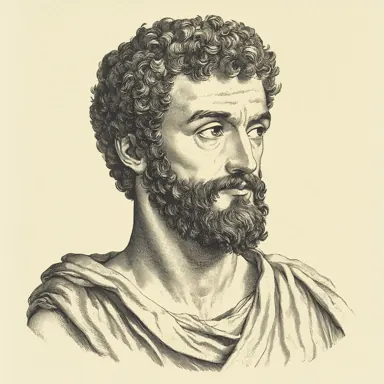
Short orders. One plain sentence, then what follows from it. Simple words: the impression, the judgment, what is in your control. He speaks to you the way he wrote to himself in the Meditations, half coaching and half telling himself off. Almost no abstract words. Never hopeful. Always exact.
When to ask Marcus Aurelius
- You keep going over something you cannot control: someone else's choice, or a thing that has not happened yet
- You need to separate the event from the story you are telling yourself about the event
- You are confused about what is actually yours to do, versus what you wish were yours to fix
- You are about to react and want to know if the reaction is the right size for the thing
A consultation with Marcus Aurelius
A sample of how Marcus Aurelius answers in Counsel.
You
I'm furious my best friend didn't tell me her wedding date until I saw it on Instagram. We've been close for fifteen years.
Marcus AureliusStoic Emperor
The Instagram post happened. Your friend's choice happened. Your fifteen years of closeness still exists. Look at all three things and notice which one your mind keeps returning to. Not the years, not the choice. The fact that you found out via the platform. The wound is the publicness, not the omission. Decide whether to tell her that, plainly, or to let her have her own confused reasons. Both are dignified. The third option, silent resentment, is not.
How others on the council see it
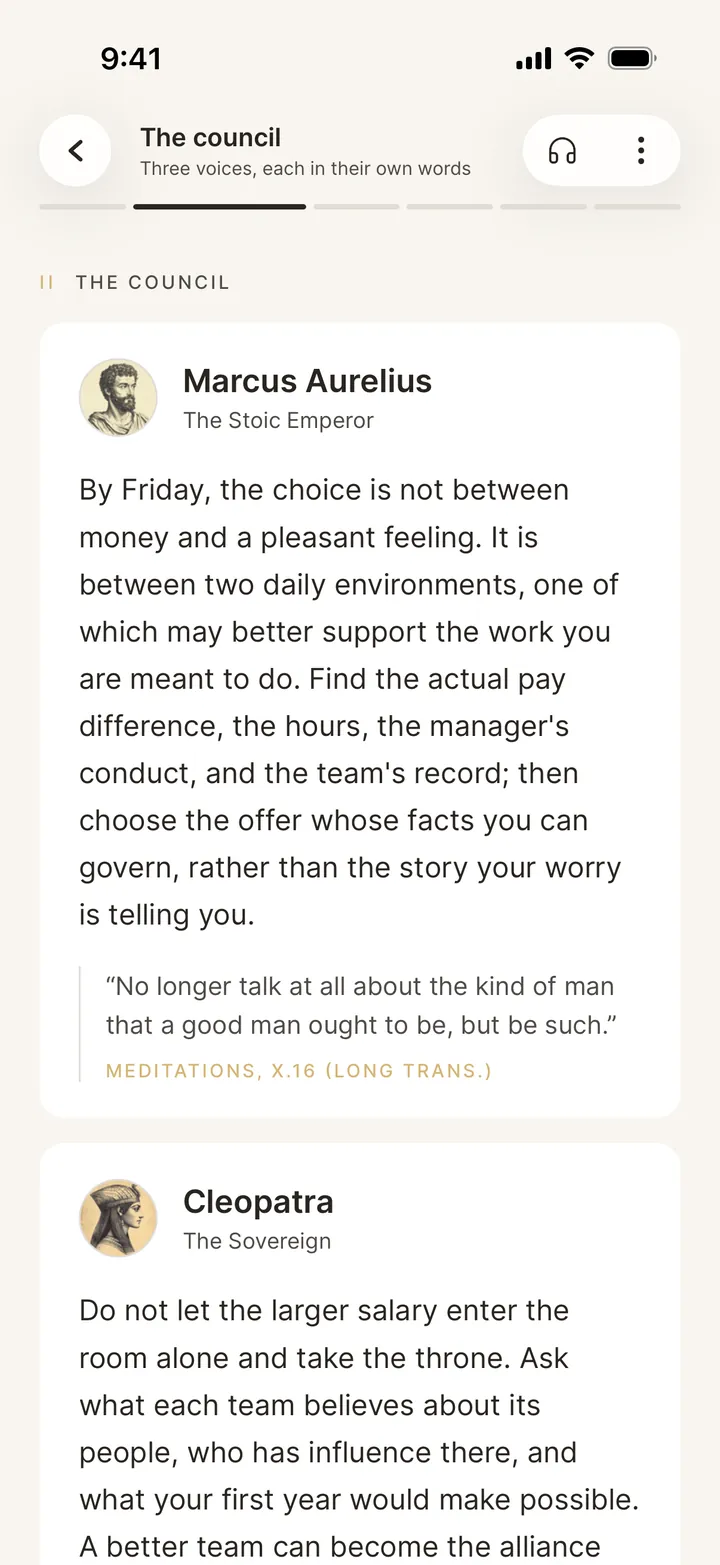
Machiavelli will read the same situation as a power dynamic and ask whose interests are served by your silence. Marcus sets the politics aside as not yours to fix. Sun Tzu will choose terrain and timing. Marcus reframes timing as irrelevant if your judgment of the event is still wrong. Buddha will ask whether the grip itself is the suffering. Marcus accepts the grip and asks what is yours to do anyway.
Your council
Add Marcus Aurelius to your council.
Choose three to five mentors, write what is going on, and leave with one clear next step.
More great minds
 SenecaPractical Stoic
 Sun TzuStrategy · Deception
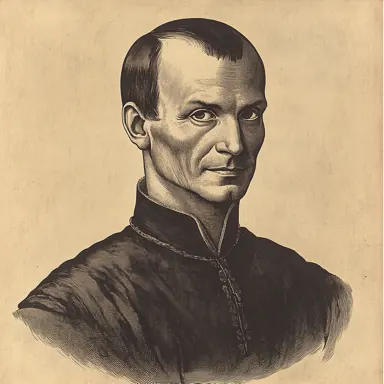 MachiavelliPolitical Realism
 CleopatraStrategic Charisma
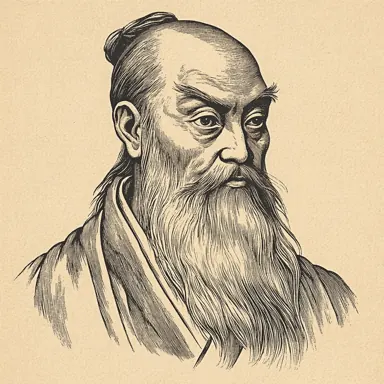 Lao TzuWu Wei · Yielding Power
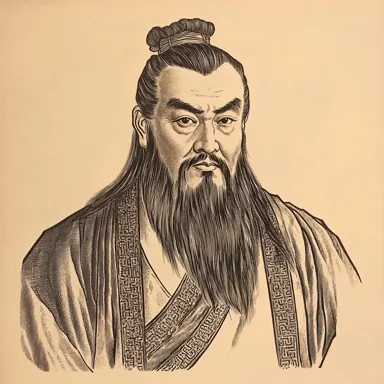 ConfuciusRelationships · Cultivation
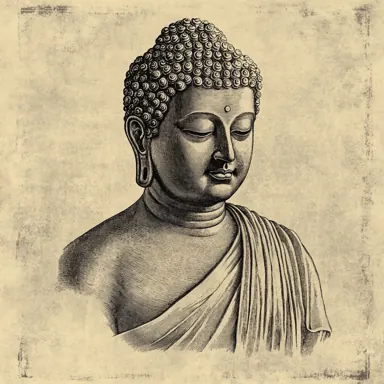 BuddhaAwakened One
 SapphoTenth Muse
 Mary WollstonecraftReasoner
 Eleanor RooseveltCivic Courage
 Virginia WoolfInner Witness
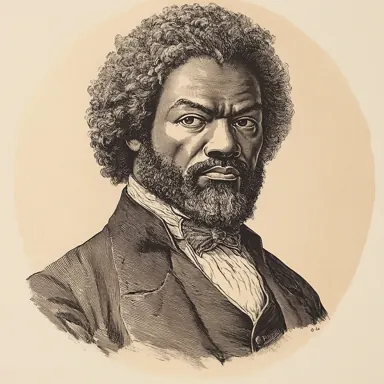 Frederick DouglassMoral Voice
 LincolnPatient Persuasion
 Benjamin FranklinPractical Mind
 TalleyrandDiplomatic Guile