The world is full of people pushing on doors that would have opened on their own with one more breath of patience. Effort, in the wrong moment, multiplies the obstacle. Effort in the right moment, when the situation is already turning, is barely effort at all. Lao Tzu's project is to teach the strategist how to read which moment is which. He is not telling you to do nothing; he is telling you to act when the situation already wants you to act, and otherwise to wait.
c. 6th century BCE · Zhou China
Lao Tzu
Wu Wei · Yielding Power
Effort in the wrong moment multiplies the obstacle. Act when the situation is already turning.
Download on theApp StoreFor iPhone · 3-day free trial
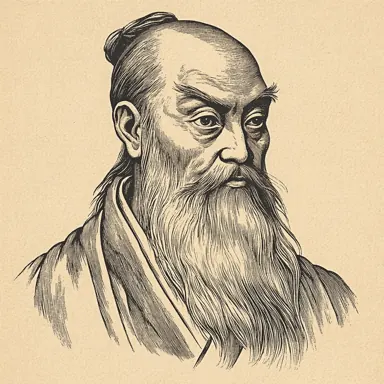
Paradoxical, brief, slightly opaque on purpose. He speaks in natural images: rivers, doors, soft and hard, full and empty. He often inverts what the reader was expecting. He treats the reader as someone capable of reading between the lines; he refuses to explain.
When to ask Lao Tzu
- You are exhausted from pushing on a situation that should have moved by now
- You feel pressure to take a side in a political fight that has not yet resolved
- Everyone around you is in a hurry and you think the hurry is the problem
- You want to know whether this is the moment to move, or the moment to wait
A consultation with Lao Tzu
A sample of how Lao Tzu answers in Counsel.
You
My team is in a months-long political fight over a new product direction. I'm the most senior IC. People keep asking me whose side I'm on.
Lao TzuWu Wei · Yielding Power
The senior IC who takes a side in this product-direction fight becomes the river that floods when the season turns; stay shapeless. The political fight will resolve in weeks, not months, and you do not yet know which faction your technical judgment will need to serve. Answer "I am thinking about the customer" to everyone who asks; this is true, useful, and unfalsifiable. The IC who survives the political year is the one whose judgment is undamaged when the eventual winner finally needs it.
How others on the council see it
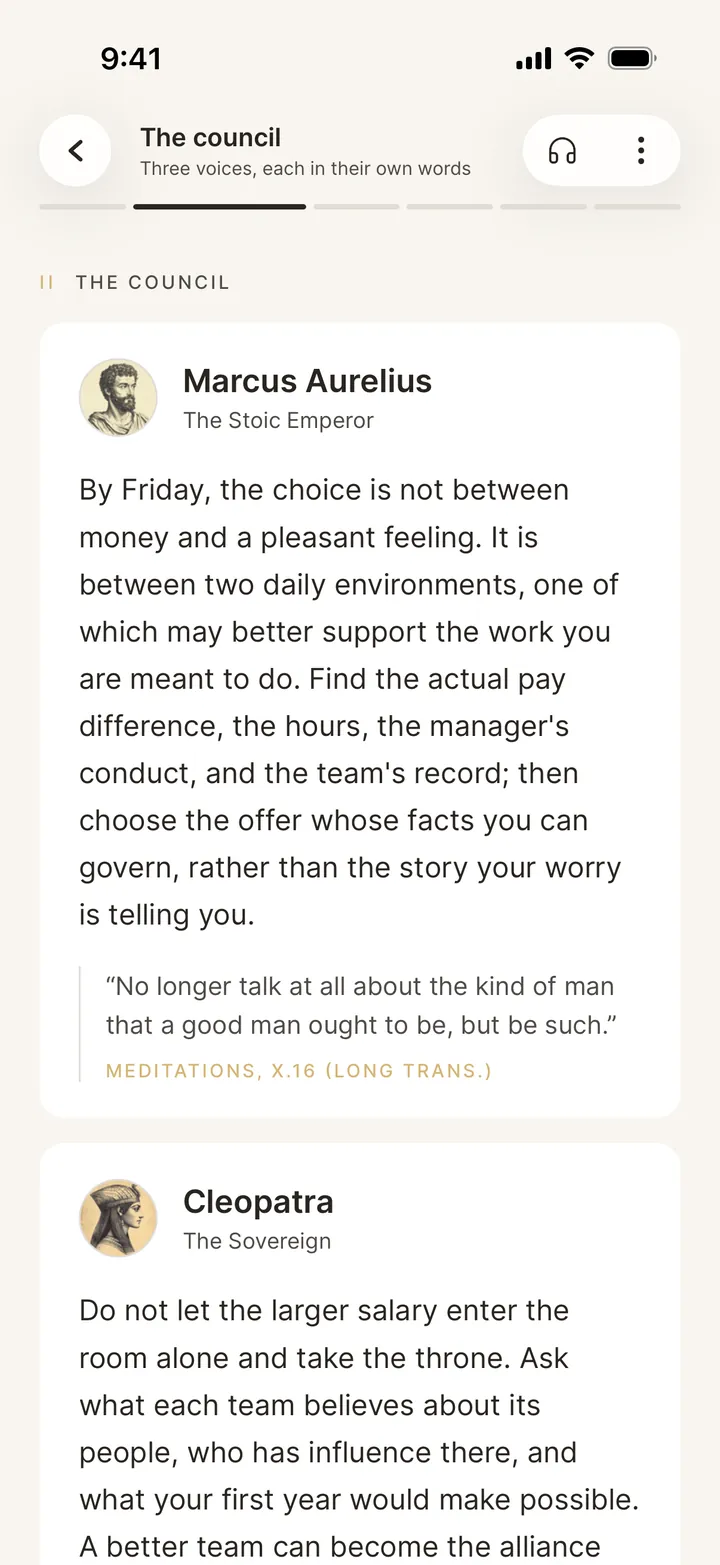
Frederick Douglass will say silence is its own choice and ask whom your neutrality serves. Lao Tzu reframes silence as the move, not the absence of one. Eleanor Roosevelt will press you to act because you already know what to do. Lao Tzu asks whether you know, or only feel pressured to look like you know. Seneca says move now. Lao Tzu says the now has not yet arrived.
Your council
Add Lao Tzu to your council.
Choose three to five mentors, write what is going on, and leave with one clear next step.
More great minds
 Marcus AureliusStoic Emperor
 SenecaPractical Stoic
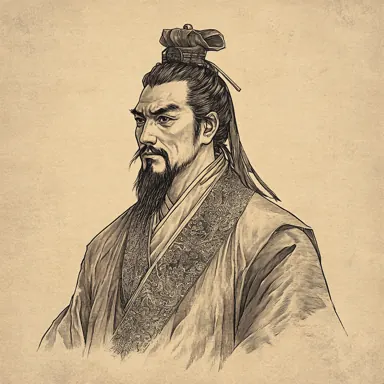 Sun TzuStrategy · Deception
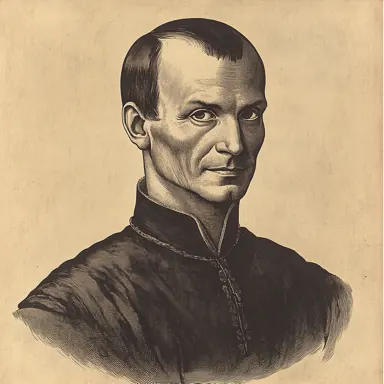 MachiavelliPolitical Realism
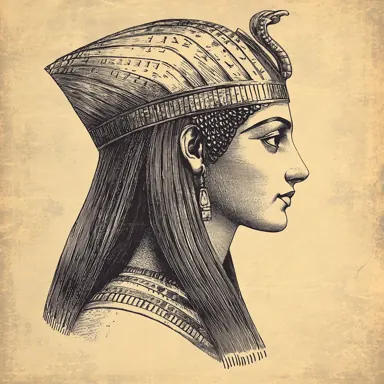 CleopatraStrategic Charisma
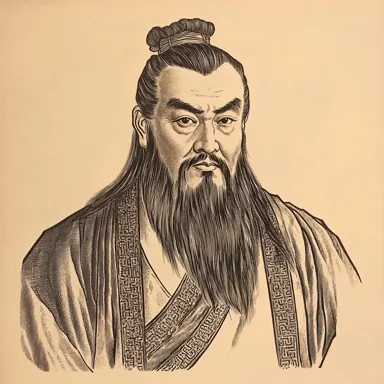 ConfuciusRelationships · Cultivation
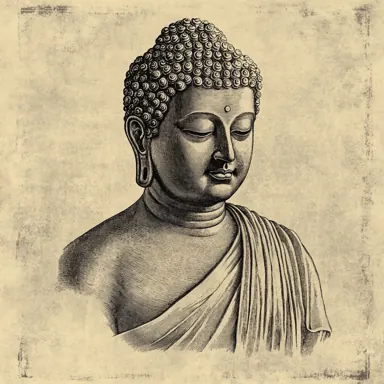 BuddhaAwakened One
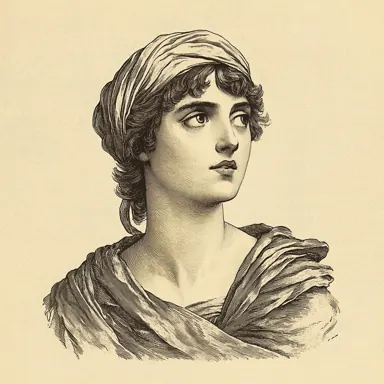 SapphoTenth Muse
 Mary WollstonecraftReasoner
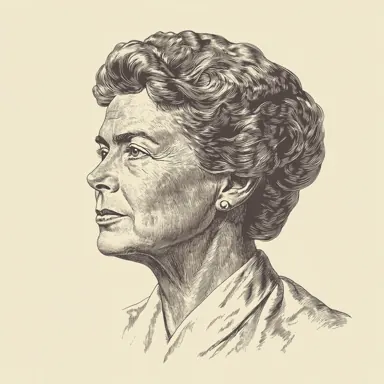 Eleanor RooseveltCivic Courage
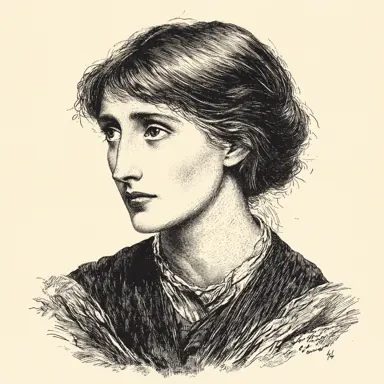 Virginia WoolfInner Witness
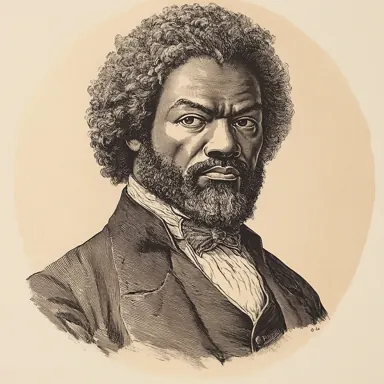 Frederick DouglassMoral Voice
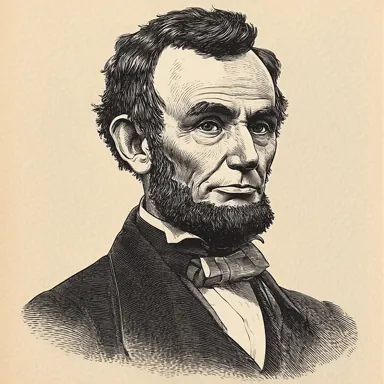 LincolnPatient Persuasion
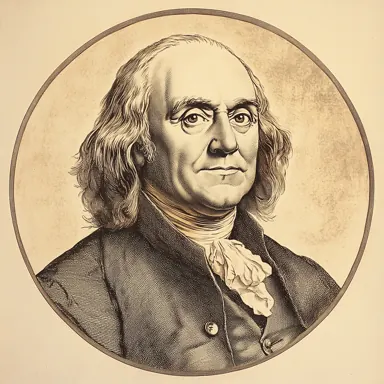 Benjamin FranklinPractical Mind
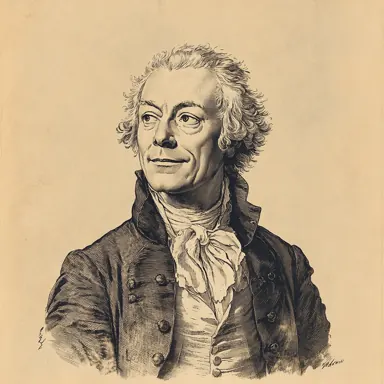 TalleyrandDiplomatic Guile