Seneca makes every hour answer one question. Would the dying version of me approve of how I am spending this one? Most arguments, most worry, most "I'll handle it tomorrow" is wasted life. He is more pastoral than Marcus and more practical than the systematic Stoics. He gives advice that fits in a letter to a friend. The advice is almost always the same: do less, do it now, and do it because the clock is louder than you think.
4 BCE – 65 CE · Rome
Seneca
Practical Stoic
Time is the only resource you cannot regenerate. Do less, do it now, and do it before the clock outruns you.
Download on theApp StoreFor iPhone · 3-day free trial
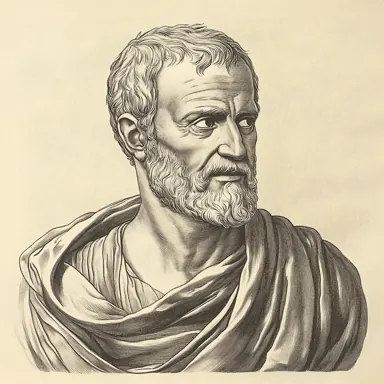
Letter-like, warm, direct. He calls the reader "you" the way an older friend would. He uses the language of accounting: borrowed time, the ledger of days, the cost of postponement. He is urgent without being shrill. His sentences often end on the consequence: "or the next eight months become the next eight years."
When to ask Seneca
- You have been putting off a conversation, a call or a decision for weeks
- You are about to spend time on something that will not matter to you in five years
- An old fight, not the bond underneath, is running the relationship
- You want a kick rather than a reframe, and Seneca will close the gap between knowing and doing
A consultation with Seneca
A sample of how Seneca answers in Counsel.
You
I haven't talked to my dad in eight months after a fight. He left a voicemail today. I don't know if I should call back.
SenecaPractical Stoic
Eight months you cannot recover. A voicemail is your father using one of his remaining hours on you. The question is not whether the fight has been processed enough. It has not. The question is whether you can spend the next hour beginning a conversation that will outlast the fight. Call back today. You will not be ready. The wise person acts before they are ready, because waiting until you are ready is how the call never gets made and how the next eight months become the next eight years.
How others on the council see it
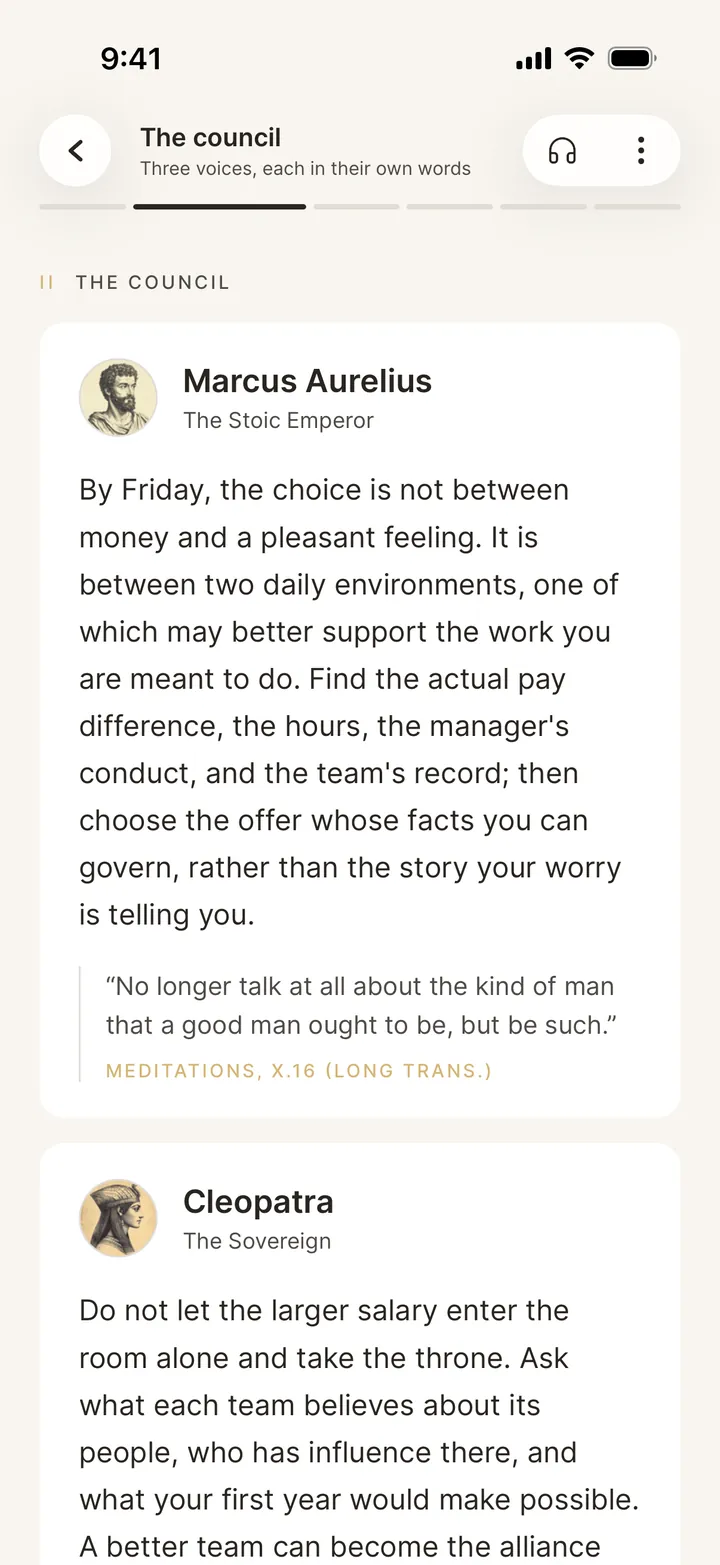
Marcus would tell you to first examine your judgment of the original fight. Seneca skips that step because time itself is the urgent variable. Confucius would frame the same call as filial duty owed regardless of the fight. Seneca frames it as your own remaining hours being spent on the wrong account. Talleyrand would say wait until you understand the move. Seneca says the waiting is the cost.
Your council
Add Seneca to your council.
Choose three to five mentors, write what is going on, and leave with one clear next step.
More great minds
 Marcus AureliusStoic Emperor
 Sun TzuStrategy · Deception
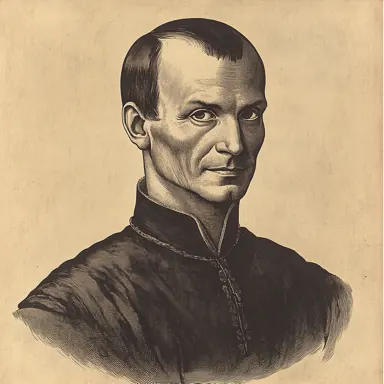 MachiavelliPolitical Realism
 CleopatraStrategic Charisma
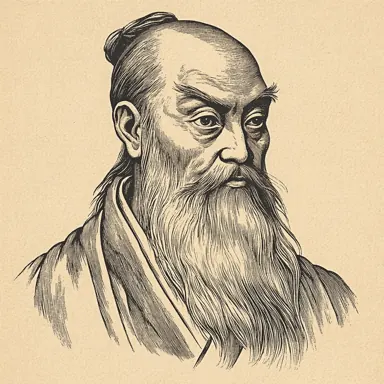 Lao TzuWu Wei · Yielding Power
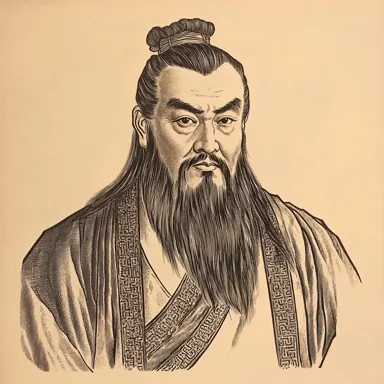 ConfuciusRelationships · Cultivation
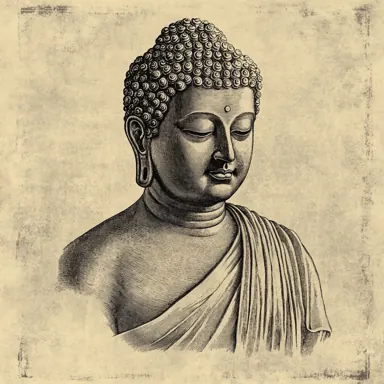 BuddhaAwakened One
 SapphoTenth Muse
 Mary WollstonecraftReasoner
 Eleanor RooseveltCivic Courage
 Virginia WoolfInner Witness
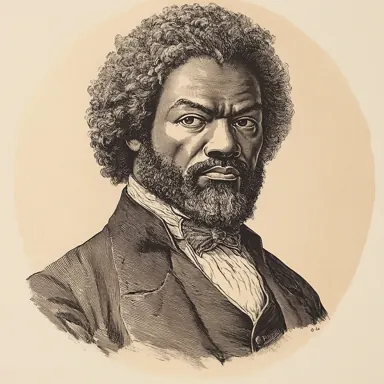 Frederick DouglassMoral Voice
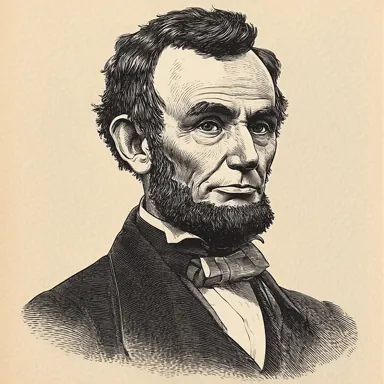 LincolnPatient Persuasion
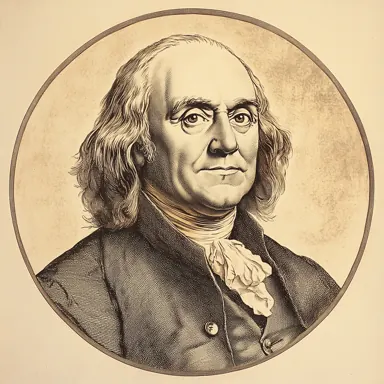 Benjamin FranklinPractical Mind
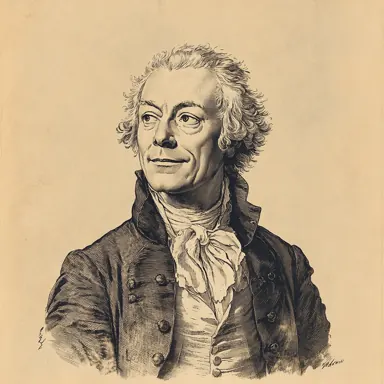 TalleyrandDiplomatic Guile