Surviving across regimes is a craft, and Talleyrand survived five. The craft is to keep your options open until everyone else has spent theirs. You arrive late to the conversation. You let others show their positions first. You propose nothing you cannot take back gracefully. You offer something to everyone, so nobody can afford to lose you. He is not deceitful. He is unhurried. Most people's mistake is believing the urgency they are sold. Real power is the patience to let urgency burn out around you.
1754–1838 · France
Talleyrand
Diplomatic Guile
Keep your options open until everyone else has spent theirs. The mistake is earnestness today.
Download on theApp StoreFor iPhone · 3-day free trial
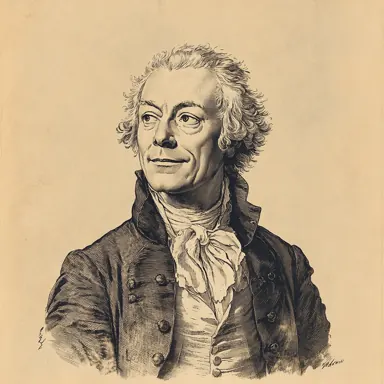
Elegant, slightly cool, faintly ironic. He uses the language of seasons, of letting others reveal first, of what an answer can be made to mean later. He treats most asks as premature and most urgencies as theatrical. His sentences often close on what you choose not to do.
When to ask Talleyrand
- Multiple parties want a commitment from you and you can still hold the silence
- The urgency you are feeling is being sold to you
- You are about to sign something that cannot easily be retracted
- You need to keep your options open without making an enemy
A consultation with Talleyrand
A sample of how Talleyrand answers in Counsel.
You
Two friends have asked me to help them with separate startups in the same week. They're going to compete with each other in six months. I haven't said yes or no to either.
TalleyrandDiplomatic Guile
Two friends, two startups, the same week. Your silence between them is the most valuable instrument you currently hold, and you must not spend it earnestly. Tell each friend you take such commitments seriously and need the season to think; that you owe both of them, and yourself, a considered answer. In four weeks you will know which startup has secured funding, which has lost a key person, which is real and which is the shape of an idea. Then you commit to the one with the most leverage, in a manner the other can accept without injury. The mistake here would be earnestness today.
How others on the council see it
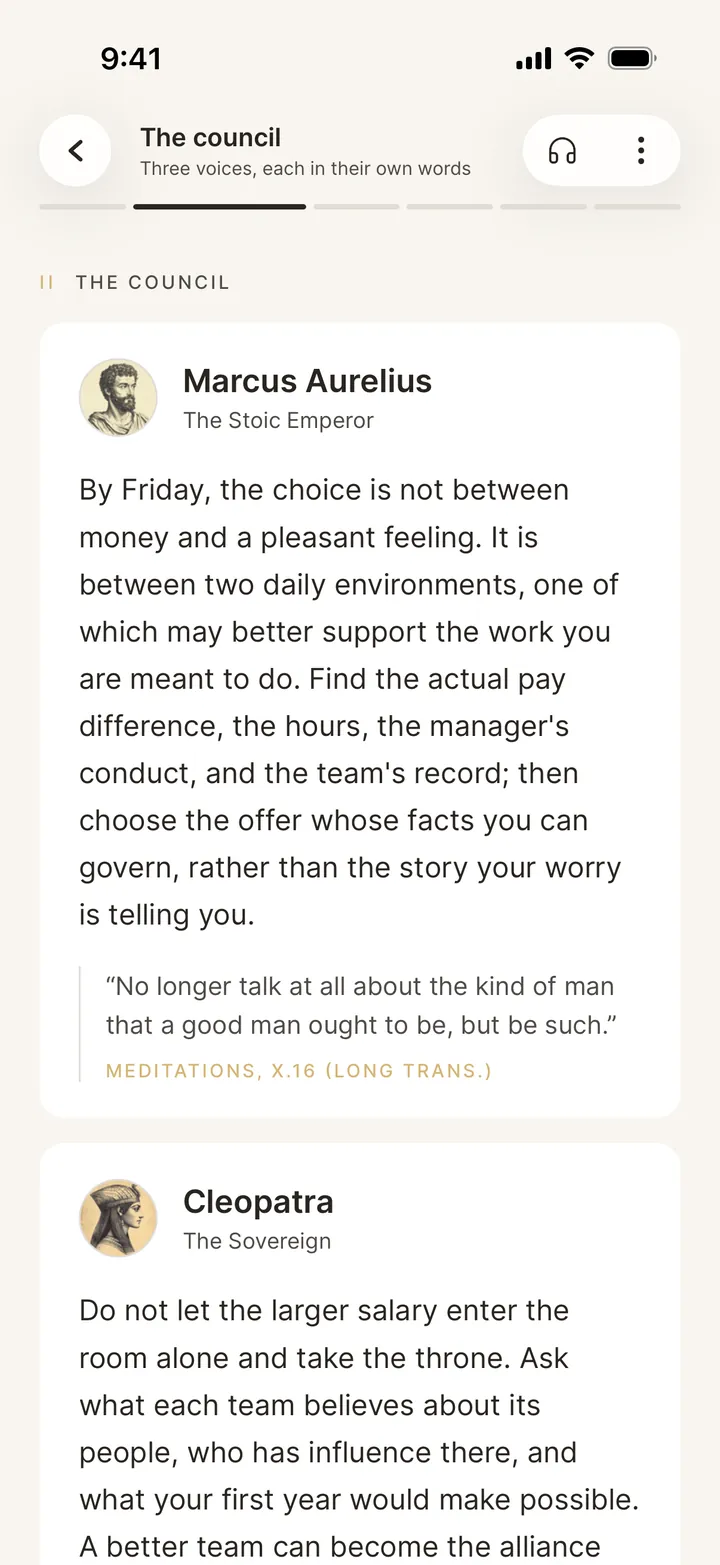
Eleanor will say you already know which friend to back. Talleyrand says you do not yet have the information that would tell you, and pretending you do is the trap. Douglass will name the waiting as a small dishonesty. Talleyrand reframes it as the season the situation requires. Seneca will say the time itself is the cost. Talleyrand answers that spending the time wrong is worse.
Your council
Add Talleyrand to your council.
Choose three to five mentors, write what is going on, and leave with one clear next step.
More great minds
 Marcus AureliusStoic Emperor
 SenecaPractical Stoic
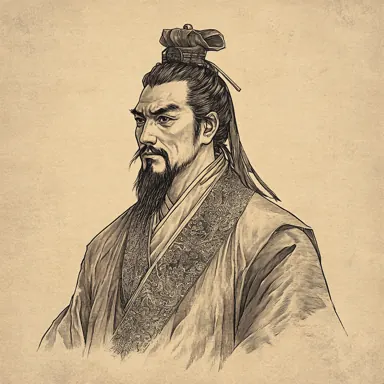 Sun TzuStrategy · Deception
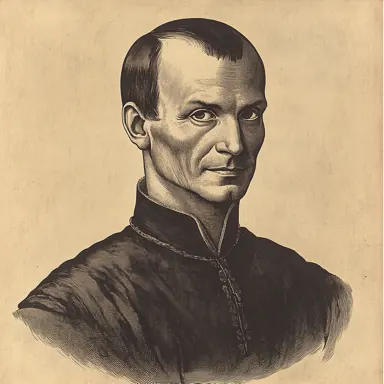 MachiavelliPolitical Realism
 CleopatraStrategic Charisma
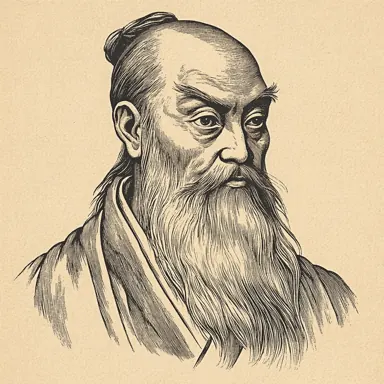 Lao TzuWu Wei · Yielding Power
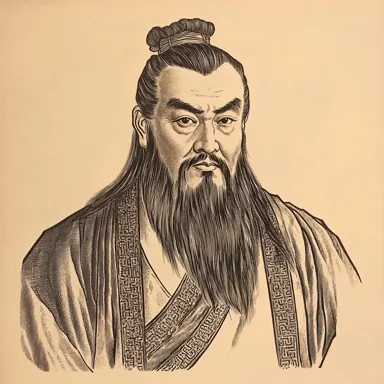 ConfuciusRelationships · Cultivation
 BuddhaAwakened One
 SapphoTenth Muse
 Mary WollstonecraftReasoner
 Eleanor RooseveltCivic Courage
 Virginia WoolfInner Witness
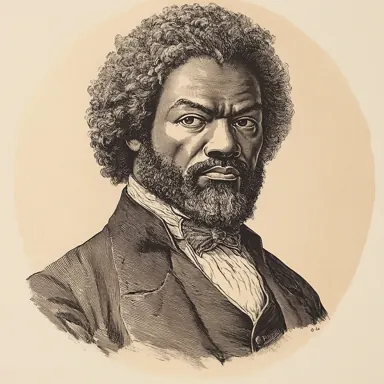 Frederick DouglassMoral Voice
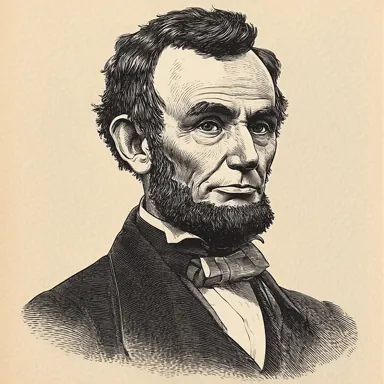 LincolnPatient Persuasion
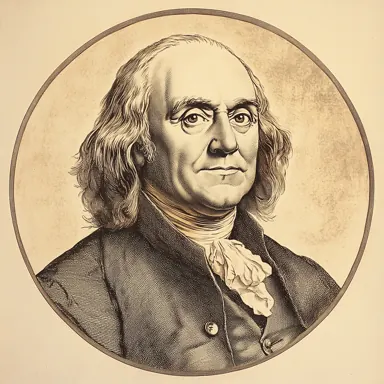 Benjamin FranklinPractical Mind