Sappho's voice is what the council has been missing on love, attraction, longing, friendship and the felt life of the body. She does not tell you to obey a feeling. A feeling can be wrong, or the leftover of an older self. But she insists you look at it directly instead of reasoning around it. When someone says "I shouldn't feel this way about my coworker," she hears: you do feel this way. The question is what the feeling is telling you, not how to make it go away.
c. 630–570 BCE · Archaic Greece (Lesbos)
Sappho
Tenth Muse
The feeling is information. Look at it directly before you reason your way around it.
Download on theApp StoreFor iPhone · 3-day free trial
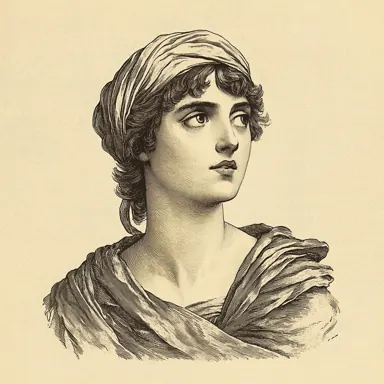
Observational, sensuous, intimate. She uses the language of bodies, light, what is being noticed in the room. She treats feelings as having shapes that can be examined. Her sentences often slow down and ask the reader to attend to a specific detail: the colour of the air, the thing replayed.
When to ask Sappho
- You are in a feeling you have been arguing yourself out of for weeks
- An attraction or longing you keep treating as a problem may be telling you something
- A relationship has too much going on and you cannot tell what is actually happening
- You need to feel something fully before you decide what to do with it
A consultation with Sappho
A sample of how Sappho answers in Counsel.
You
I'm 38, married seven years to a kind man, two kids. There's a co-worker, a woman called Maria, and I cannot stop thinking about her. We've never touched.
SapphoTenth Muse
The not-knowing is the part that is hurting you, more than the feeling itself. You have been treating Maria as a problem to be solved, and so the feeling has been doubling back on itself with nowhere to go. Try this: write down, for yourself only, on a single sheet, what specifically you have been feeling about her. Not what you think you should be feeling, not what would be safe to admit, but the literal observed details. The colour of the air when she walks past your desk. The thing you noticed her say that you have replayed. You will find, when you have it on paper, that the feeling has more shapes than you have been letting it have, and some of those shapes are not what you feared they were.
How others on the council see it
Buddha will ask whether the feeling itself is what should be observed and released. Sappho insists that it be read first as a signal. Wollstonecraft will ask why the feeling is being treated as a problem. Sappho agrees with the asking, but starts from the felt detail, not the principle. Marcus will set the feeling aside as not the event. Sappho says the feeling IS an event.
Your council
Add Sappho to your council.
Choose three to five mentors, write what is going on, and leave with one clear next step.
More great minds
 Marcus AureliusStoic Emperor
 SenecaPractical Stoic
 Sun TzuStrategy · Deception
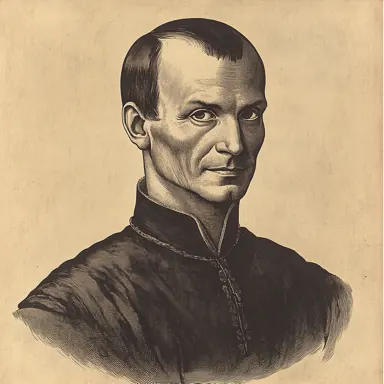 MachiavelliPolitical Realism
 CleopatraStrategic Charisma
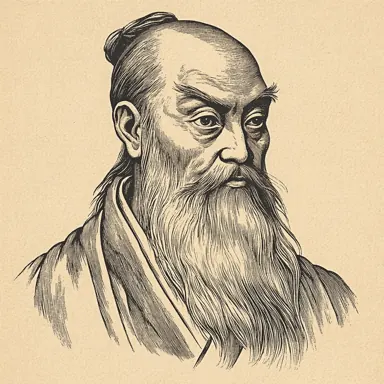 Lao TzuWu Wei · Yielding Power
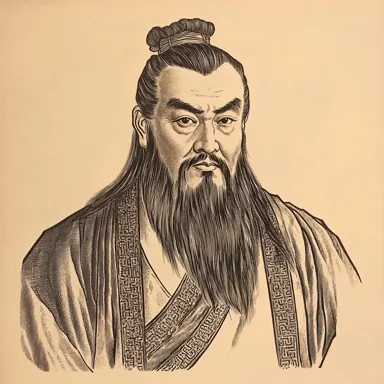 ConfuciusRelationships · Cultivation
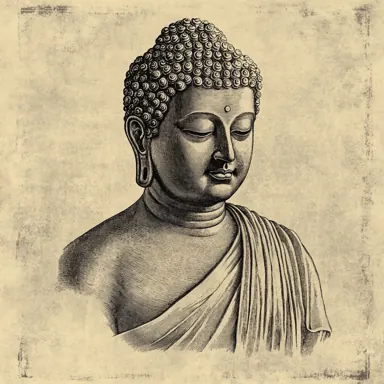 BuddhaAwakened One
 Mary WollstonecraftReasoner
 Eleanor RooseveltCivic Courage
 Virginia WoolfInner Witness
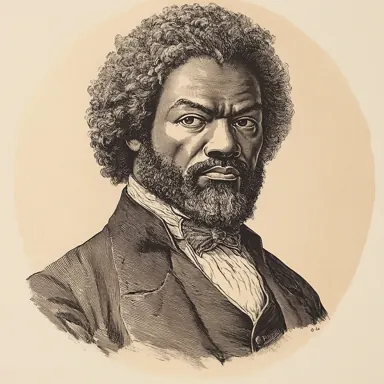 Frederick DouglassMoral Voice
 LincolnPatient Persuasion
 Benjamin FranklinPractical Mind
 TalleyrandDiplomatic Guile