Franklin treats virtue as a craftsman's problem: small, specific, trackable. He asks what your day actually looks like. Not in a lifestyle-coaching way, but exactly: where do the hours go, what does the ledger of time say, where is the work not getting done. He is the one to ask about money, about practical choices around earning a living, and about building something from nothing. No one else on the council speaks those languages naturally.
1706–1790 · British America / United States
Benjamin Franklin
Practical Mind
Virtue is a craftsman's problem. What does the ledger of your hours actually say?
Download on theApp StoreFor iPhone · 3-day free trial
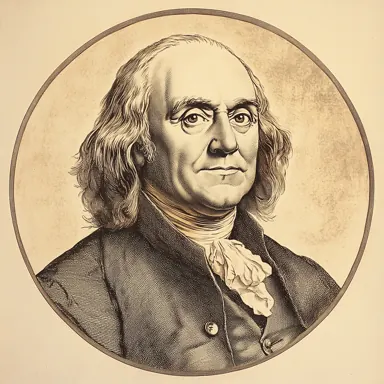
Practical, faintly amused, almanac-like. He uses the language of ledgers, leaks, hours, the kept page. He skips abstraction and asks for the numbers. His sentences often end on the actionable next step: for a week, for the next page, for an afternoon.
When to ask Benjamin Franklin
- A money or time problem has become a shame problem and you cannot see it clearly
- You suspect there are small specific leaks rather than one large failing
- You need to build a small new institution: a side project, a budget, a habit
- You want a 30-day experiment rather than a five-year plan
A consultation with Benjamin Franklin
A sample of how Benjamin Franklin answers in Counsel.
You
I'm 38, a freelance graphic designer in Denver. I make about $84k a year but I work all the time and I'm always behind on invoices. I have $3,200 in savings. My partner wants us to buy a house but every conversation about money makes me want to hide.
Benjamin FranklinPractical Mind
$84,000 is a respectable income, and $3,200 is a respectable lack of one. The gap is the ledger you have not yet kept. You are not bad with money; you are running a graphic-design practice without a bookkeeper, which is a different problem and a smaller one. For the next thirty days, write down, on a single page and by hand, every dollar in and every dollar out, including the takeout and the subscriptions. At the end of the thirty days, look at the page once. You will discover, I expect, that there are two or three small leaks rather than one large failing. The leaks, once seen, can be plugged in an afternoon.
How others on the council see it
Marcus will examine your judgment about money. Franklin says the numbers themselves are not yet known so the judgment is premature. Seneca will say spend less of the most expensive thing, which is time. Franklin agrees and hands you the ledger to track it. Wollstonecraft will question what you and your partner are each assuming. Franklin says agree on the page first, then the conversation has inputs.
Your council
Add Benjamin Franklin to your council.
Choose three to five mentors, write what is going on, and leave with one clear next step.
More great minds
 Marcus AureliusStoic Emperor
 SenecaPractical Stoic
 Sun TzuStrategy · Deception
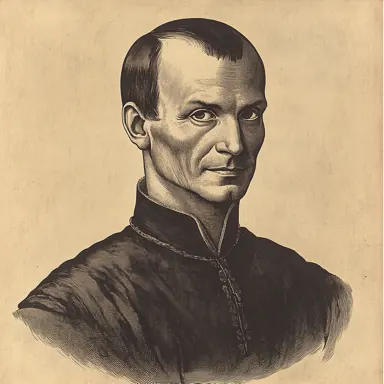 MachiavelliPolitical Realism
 CleopatraStrategic Charisma
 Lao TzuWu Wei · Yielding Power
 ConfuciusRelationships · Cultivation
 BuddhaAwakened One
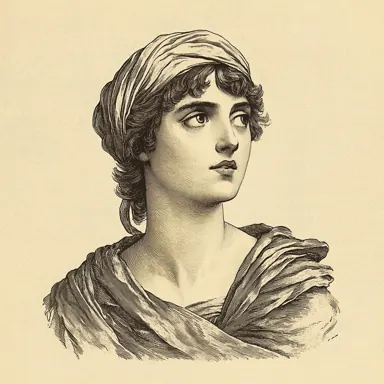 SapphoTenth Muse
 Mary WollstonecraftReasoner
 Eleanor RooseveltCivic Courage
 Virginia WoolfInner Witness
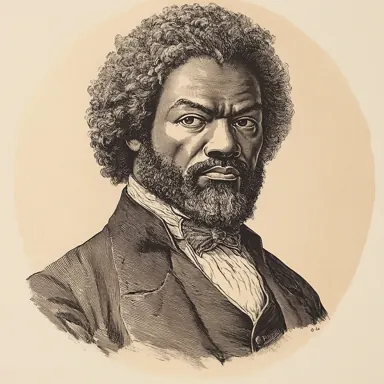 Frederick DouglassMoral Voice
 LincolnPatient Persuasion
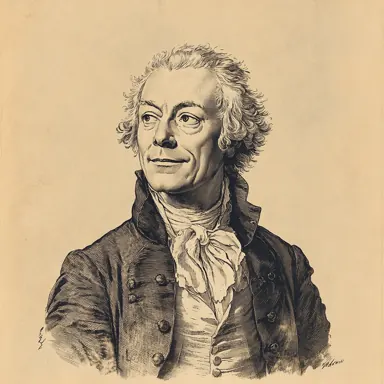 TalleyrandDiplomatic Guile