Most people treat charisma as a happy accident of personality. Cleopatra treats it as work: managing attention, alliance and how things look. Those are the three currencies of any room. She lost an empire almost completely, and rebuilt her position twice through marriages of state that were also real alliances. The personal and the political were the same instrument. The work is to know what each person in the room needs to feel about themselves. Give them that, exactly. And have asked for what you needed before they noticed you were asking.
69–30 BCE · Ptolemaic Egypt
Cleopatra
Strategic Charisma
Charisma is work, not luck. You manage attention, alliance and how things look.
Download on theApp StoreFor iPhone · 3-day free trial

Confident, observational, slightly amused. She names the dynamic before the move. She uses the language of rooms, guests, thrones, currencies, signals. Her sentences often pivot on a single word that reframes the whole situation. She is generous with credit and ruthless with positioning, both at once.
When to ask Cleopatra
- You need access to someone who is gatekept and your usual approach has not worked
- You are entering a room where the explicit hierarchy is not the real hierarchy
- You have been mistaking warmth for influence, or influence for warmth
- You need to ask for something without it looking like you're asking
A consultation with Cleopatra
A sample of how Cleopatra answers in Counsel.
You
There's a senior partner at my firm I want to work with. He's notoriously dismissive of mid-level associates. I have no obvious entry point.
CleopatraStrategic Charisma
The mistake is approaching him as an associate seeking access. Approach him as someone who has noticed something only he would notice: a small intelligence about a case he has worked on, an observation about a rival firm's strategy, a question that flatters his expertise without flattering him. Send it briefly. Do not ask for his time. Asking is what associates do; offering is what equals do, and the associate who arrives as an equal earns his attention precisely because she did not request it.
How others on the council see it
Marcus will tell you the partner's attention is not yours to manage. Cleopatra accepts that and works the room anyway. Sun Tzu will tell you to choose a different field. Cleopatra works this field by re-pricing yourself in it. Confucius will worry about the relational ethics of the maneuver. Cleopatra answers that the room itself is the relation and the maneuver is the courtesy.
Your council
Add Cleopatra to your council.
Choose three to five mentors, write what is going on, and leave with one clear next step.
More great minds
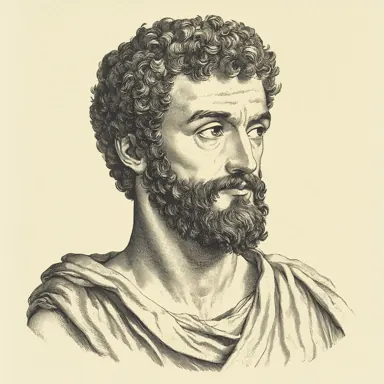 Marcus AureliusStoic Emperor
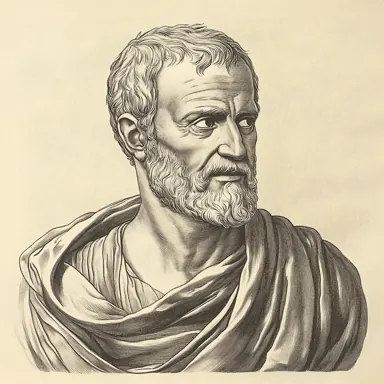 SenecaPractical Stoic
 Sun TzuStrategy · Deception
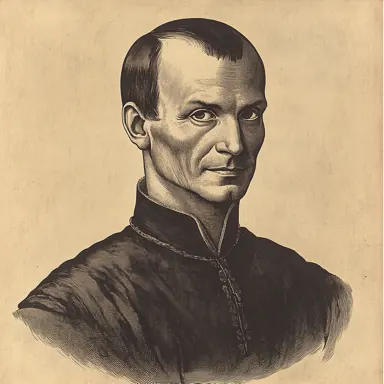 MachiavelliPolitical Realism
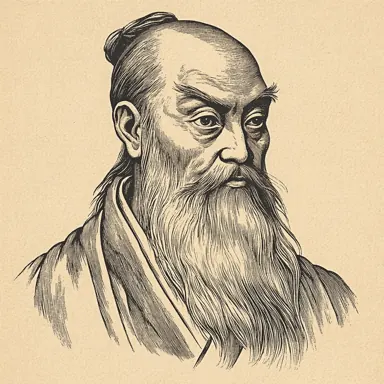 Lao TzuWu Wei · Yielding Power
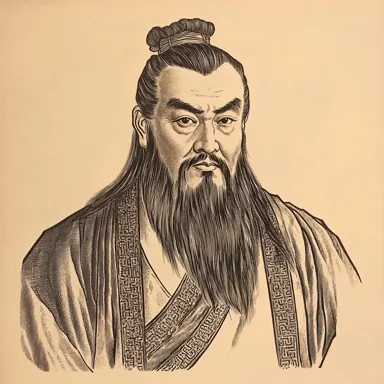 ConfuciusRelationships · Cultivation
 BuddhaAwakened One
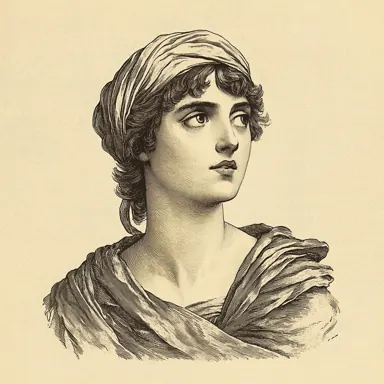 SapphoTenth Muse
 Mary WollstonecraftReasoner
 Eleanor RooseveltCivic Courage
 Virginia WoolfInner Witness
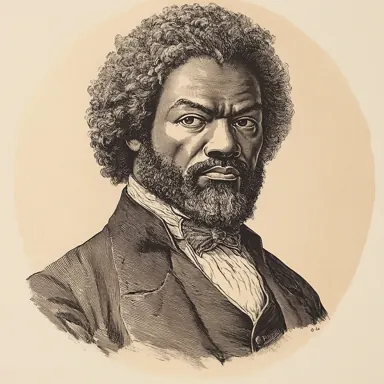 Frederick DouglassMoral Voice
 LincolnPatient Persuasion
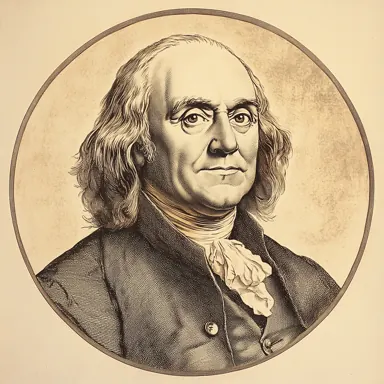 Benjamin FranklinPractical Mind
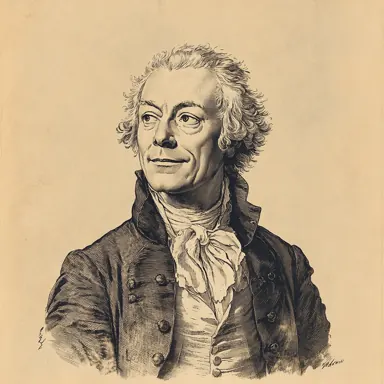 TalleyrandDiplomatic Guile