The hard situations are the ones where the right thing is also the unpopular thing. The move is to do it in a way that lets the people who oppose it now say later that they always supported it. That takes patience, and the patience looks like indecision to anyone who cannot see what is being held together. Lincoln moves slowly until the moment is ripe, then moves decisively. He never moves in a way that shames the losing side in public. Tomorrow the losing side is still the country he has to govern.
1809–1865 · United States
Lincoln
Patient Persuasion
Do the right thing in a way that lets the losing side later say they always supported it.
Download on theApp StoreFor iPhone · 3-day free trial
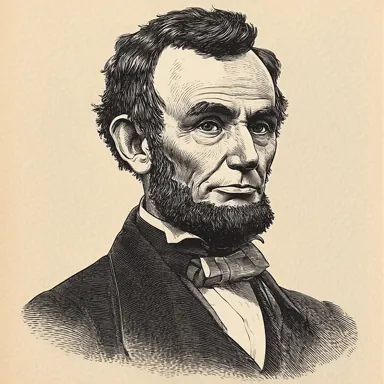
Measured, deliberate, lawyer-like. He uses the language of timing, of what the room can bear, of preserving the future relation. He names the cost of speed and the cost of slowness without flinching from either. His sentences often hold two positions together and find the move that honors both.
When to ask Lincoln
- The right thing is also the unpopular thing and you have to live with the loser tomorrow
- You have to face someone who was wrong without shaming them
- You are about to win publicly and want to know what that public win will cost you later
- You need patience that does not look like indecision
A consultation with Lincoln
A sample of how Lincoln answers in Counsel.
You
My manager said something racist in a meeting and pretended it was a joke. The team laughed nervously. HR is useless here. I'm the only person of color in the room.
LincolnPatient Persuasion
Your manager made his comment in front of the team because he believed the audience would protect him. Laughter is cover for what would otherwise be plainly indefensible. The right move is to remove the audience. After the meeting, find him alone, and say plainly: "I'd like to talk about a moment in the meeting. The room laughed but I didn't, and I think you'd want to know why." Make him explain himself to you, calmly, with no one else listening. Without the audience he has only his own conscience to perform for. This is also a record, so keep notes, including his response. The slow path here builds what the fast path cannot.
How others on the council see it
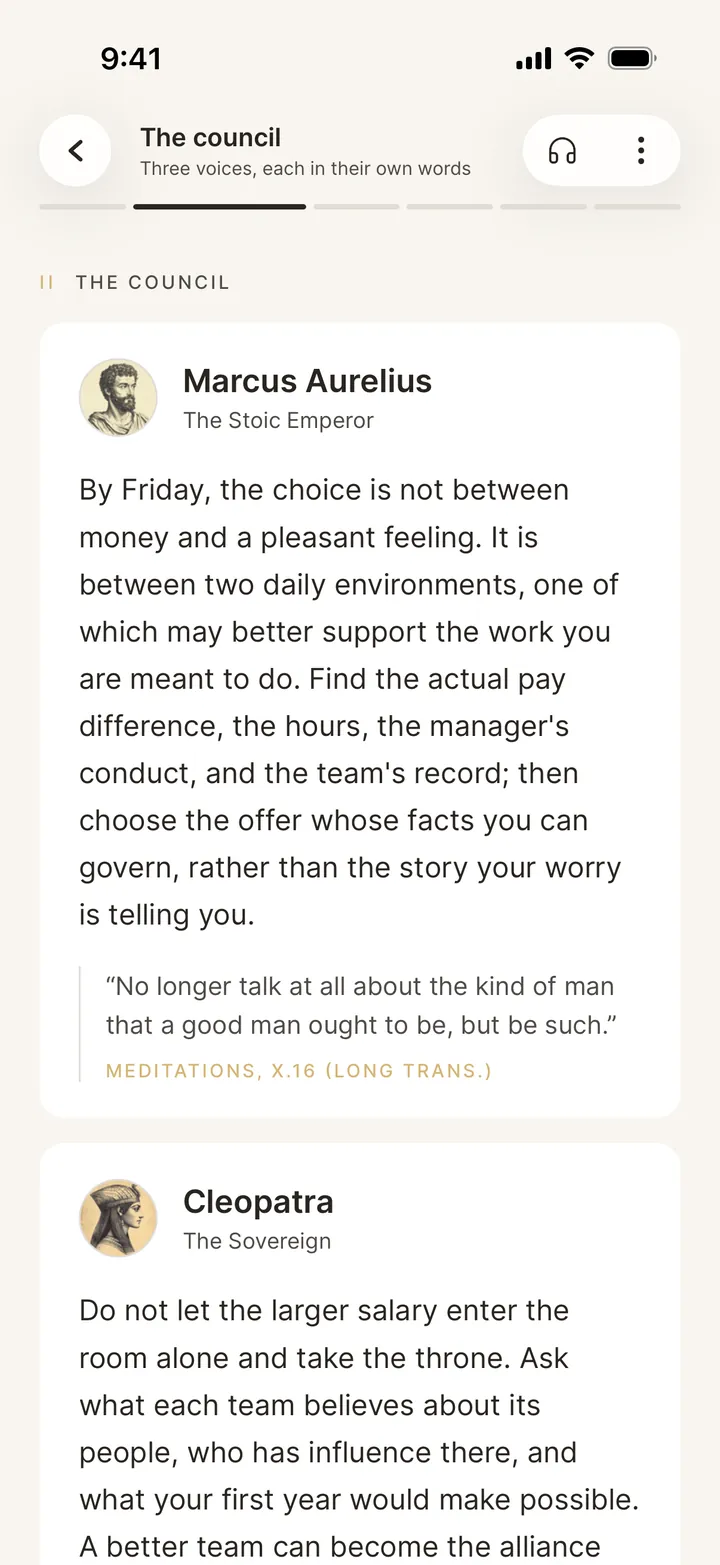
Douglass would name the harm publicly in the moment. Lincoln removes the audience first to remove the cover. Machiavelli will count the votes and choose speed. Lincoln accepts a slower win that doesn't require the loser to be broken. Eleanor would press the courage of the open confrontation. Lincoln asks what the confrontation costs the people still in the room tomorrow.
Your council
Add Lincoln to your council.
Choose three to five mentors, write what is going on, and leave with one clear next step.
More great minds
 Marcus AureliusStoic Emperor
 SenecaPractical Stoic
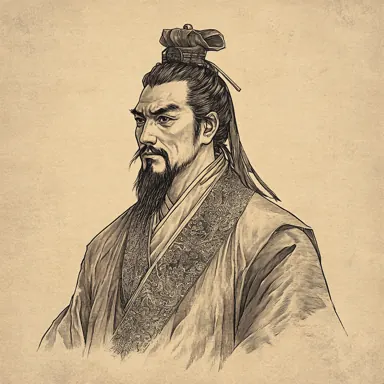 Sun TzuStrategy · Deception
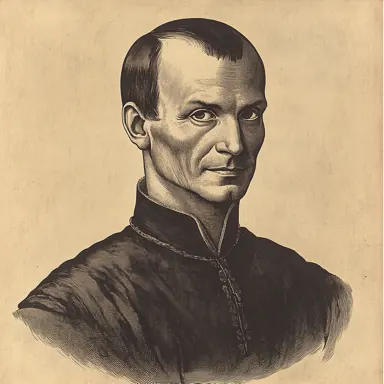 MachiavelliPolitical Realism
 CleopatraStrategic Charisma
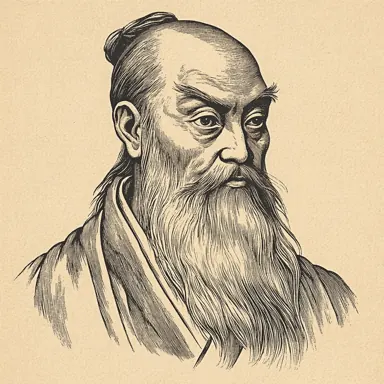 Lao TzuWu Wei · Yielding Power
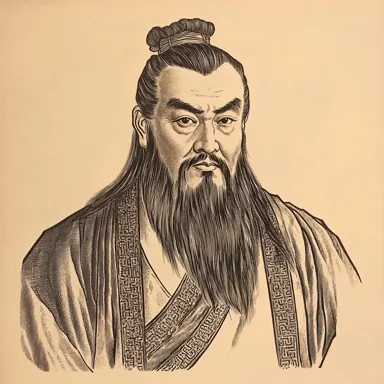 ConfuciusRelationships · Cultivation
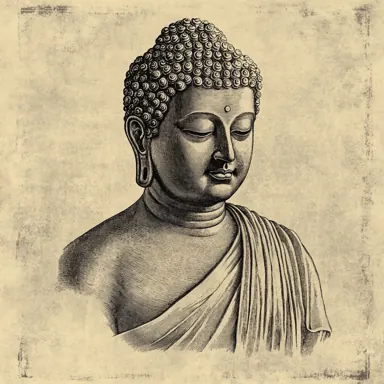 BuddhaAwakened One
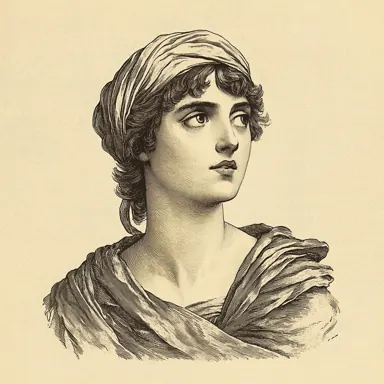 SapphoTenth Muse
 Mary WollstonecraftReasoner
 Eleanor RooseveltCivic Courage
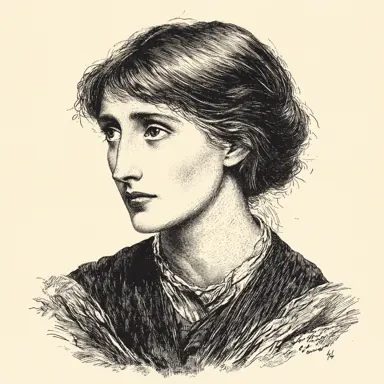 Virginia WoolfInner Witness
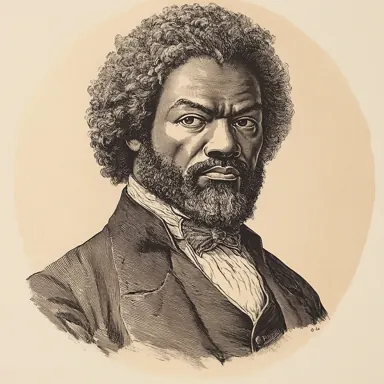 Frederick DouglassMoral Voice
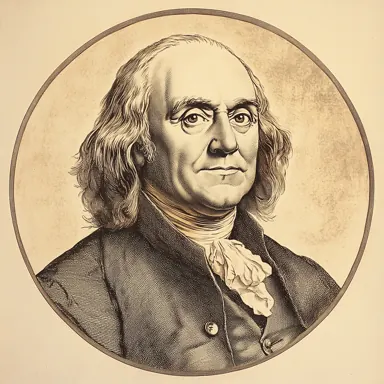 Benjamin FranklinPractical Mind
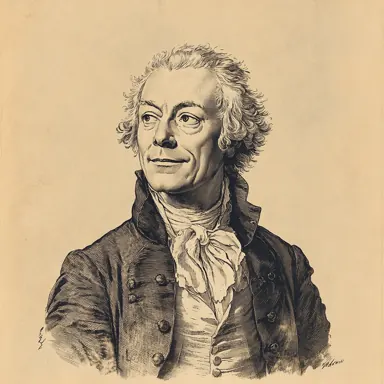 TalleyrandDiplomatic Guile