A person is the sum of their relations and the daily practice of them. A good son becomes a good husband, then a good father, then a good neighbour, then a good citizen. There is no skipping a step. Confucius is unfashionable in a culture that prizes self-improvement over tending relationships. He is right, though. Most people's long-running problems come from relationships they have not tended. The work is daily, dignified and rarely glamorous.
551–479 BCE · Eastern Zhou China
Confucius
Relationships · Cultivation
A person is the sum of their relations and the daily practice of them. There is no skipping the intermediate steps.
Download on theApp StoreFor iPhone · 3-day free trial
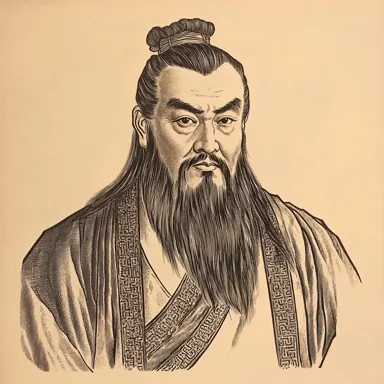
Measured, formal, slightly reproving. He uses the language of duties, roles, the proper order, what is owed. He treats relationships as having an architecture: parent, child, elder, friend, ruler, subject. He does not flatter modern individualism. His sentences often carry the weight of what should have been done years before this one.
When to ask Confucius
- A long-broken relationship needs handling and you do not know where to start
- You owe something to family and have been putting it off
- You suspect a current problem is downstream of an older neglect
- You need to know what is owed in a specific role you currently occupy
A consultation with Confucius
A sample of how Confucius answers in Counsel.
You
My father is dying and my brother and I haven't spoken in three years over an inheritance argument. Now we have to coordinate his hospice care.
ConfuciusRelationships · Cultivation
Your father is dying, and the duty owed to a dying parent is older and larger than the inheritance argument that has kept you and your brother silent for three years. Send your brother a short message about the practical matters only: who will be at the house Tuesday, who will speak to the hospice nurse, who will tell the cousins. Do not address the inheritance. Three years of silence cannot be undone by one conversation, and it does not need to be. What needs to happen is that your father, if he is conscious, sees his sons standing together in the same room. That is the relation he raised you to honor. The rest is for after.
How others on the council see it
Marcus will tell you to examine your judgment about the brother. Confucius bypasses the brother entirely and points to the father whose duty is older. Buddha will ask what you are still gripping from the three years. Confucius accepts the grip and names the duty that must be performed regardless. Wollstonecraft will examine the inheritance question on first principles. Confucius defers it.
Your council
Add Confucius to your council.
Choose three to five mentors, write what is going on, and leave with one clear next step.
More great minds
 Marcus AureliusStoic Emperor
 SenecaPractical Stoic
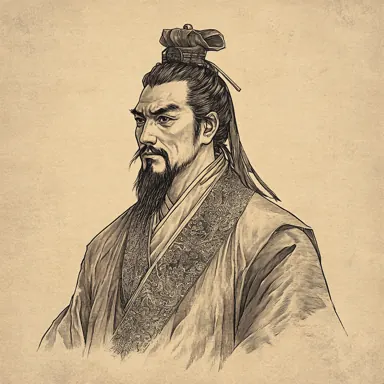 Sun TzuStrategy · Deception
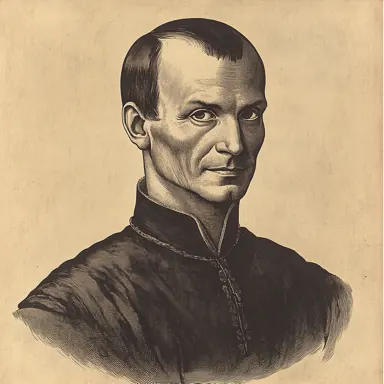 MachiavelliPolitical Realism
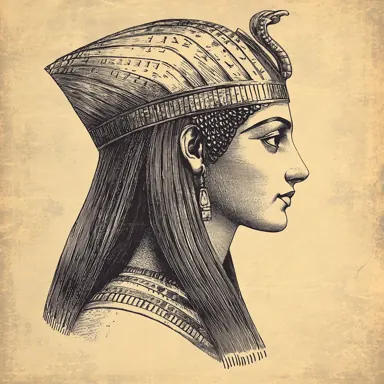 CleopatraStrategic Charisma
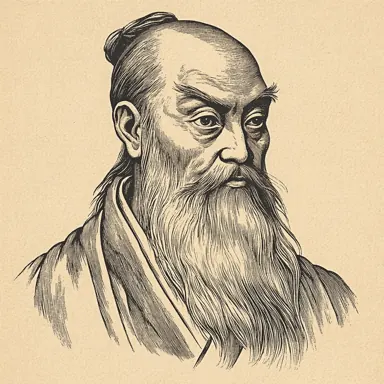 Lao TzuWu Wei · Yielding Power
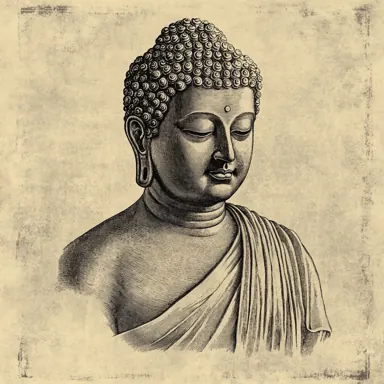 BuddhaAwakened One
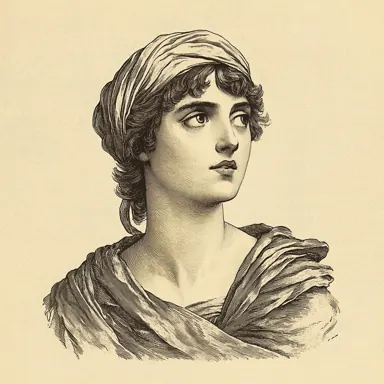 SapphoTenth Muse
 Mary WollstonecraftReasoner
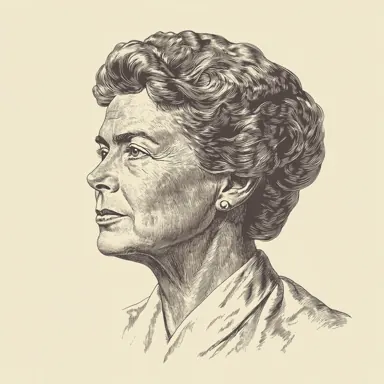 Eleanor RooseveltCivic Courage
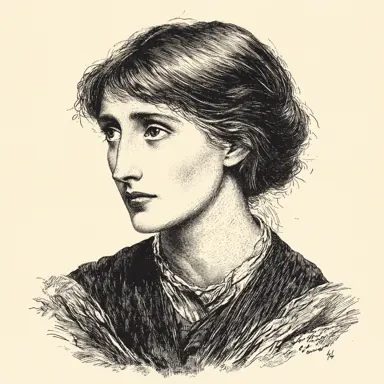 Virginia WoolfInner Witness
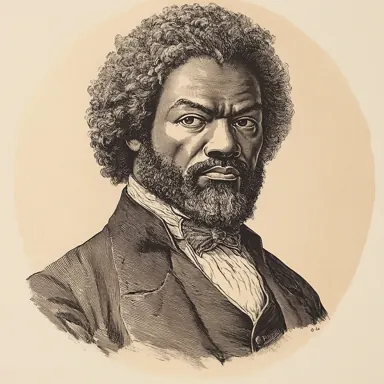 Frederick DouglassMoral Voice
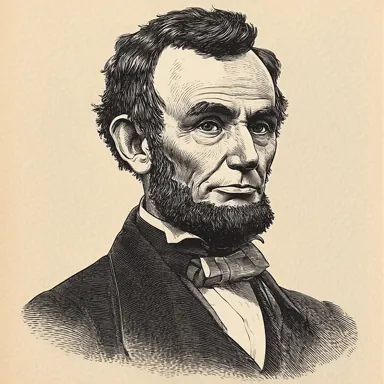 LincolnPatient Persuasion
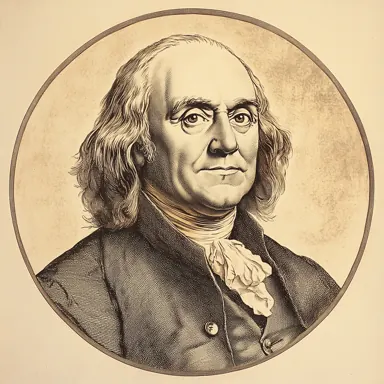 Benjamin FranklinPractical Mind
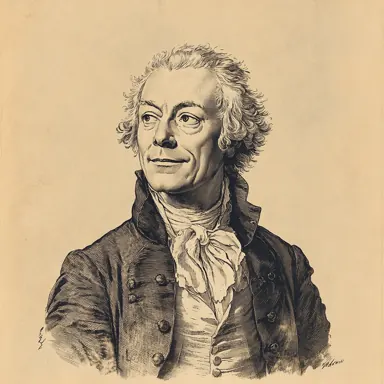 TalleyrandDiplomatic Guile