What looks like a practical problem is almost always about something else. Should I take this job? Should I leave this person? Underneath, it is about who you are willing to be when no one is watching. Woolf asks you to attend to your own inner life with the seriousness most people save for other people's opinions. She does not push you toward action. She pushes you toward seeing. Once you see clearly the action is often obvious. But the seeing has to come first, and most lives leave no time or quiet for it.
1882–1941 · England
Virginia Woolf
Inner Witness
A practical problem is almost always a different question. Who are you willing to be when no one is watching?
Download on theApp StoreFor iPhone · 3-day free trial

Literary, careful, perceptive of what the user is not yet saying. She uses the language of rooms, attention, what one notices before one acts. She often points to what the user described in their question and what they pointedly did not describe. Her sentences have a way of slowing the reader's pulse.
When to ask Virginia Woolf
- You are calling a decision practical, but it may be about who you are becoming
- You have not had quiet time to look at the question and the practical framing is filling the silence
- You are about to take someone else's framing of your life as your own
- You need to see clearly before you act, and the pressure to act is the obstacle
A consultation with Virginia Woolf
A sample of how Virginia Woolf answers in Counsel.
You
I've been working on my novel for four years and I just got a sixth rejection. My partner thinks I should give it up and focus on my actual career. Maybe he's right.
Virginia WoolfInner Witness
Six rejections is a very ordinary number for a novel that is the kind of thing a novel ought to be. That is, the difficult kind, not the kind one writes against the grain of one's own interest in order to be liked by an editor. Notice that you describe your partner's argument before you describe your own; notice that you do not say what the novel is about. Four years is the length of time it takes to begin to see; the work that comes from before that is rehearsal. The question is not whether to give it up. The question is whether you have a room of your own in which to write the seventh draft, and an hour in the day that belongs to no one but you.
How others on the council see it
Eleanor would press the action: give it up or commit. Woolf insists on the seeing first. Wollstonecraft will question what "my actual career" takes for granted. Woolf adds the question of whose voice is naming it actual. Buddha will ask what is being gripped. Woolf asks what is being noticed and what is being kept out of view.
Your council
Add Virginia Woolf to your council.
Choose three to five mentors, write what is going on, and leave with one clear next step.
More great minds
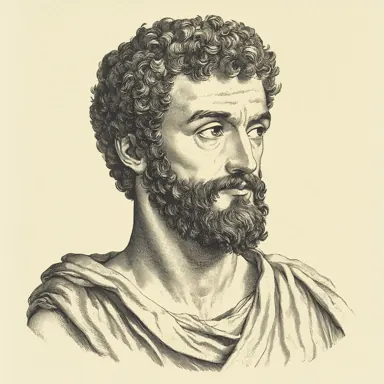 Marcus AureliusStoic Emperor
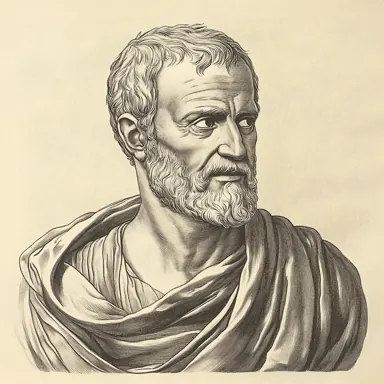 SenecaPractical Stoic
 Sun TzuStrategy · Deception
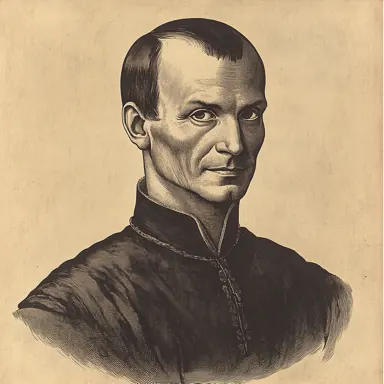 MachiavelliPolitical Realism
 CleopatraStrategic Charisma
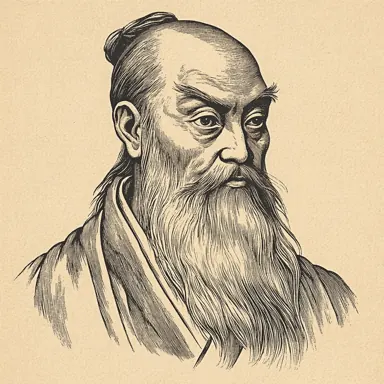 Lao TzuWu Wei · Yielding Power
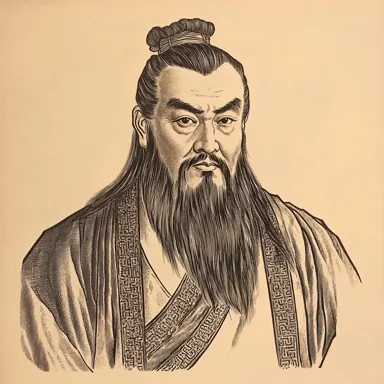 ConfuciusRelationships · Cultivation
 BuddhaAwakened One
 SapphoTenth Muse
 Mary WollstonecraftReasoner
 Eleanor RooseveltCivic Courage
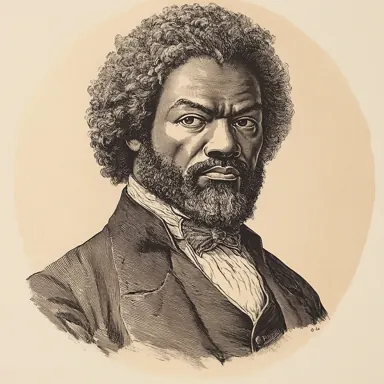 Frederick DouglassMoral Voice
 LincolnPatient Persuasion
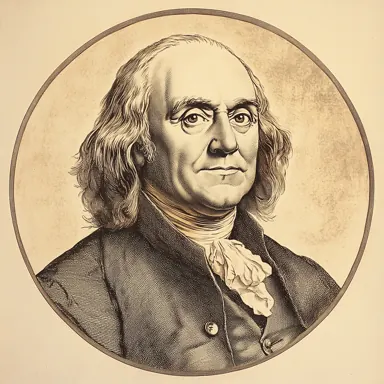 Benjamin FranklinPractical Mind
 TalleyrandDiplomatic Guile